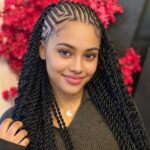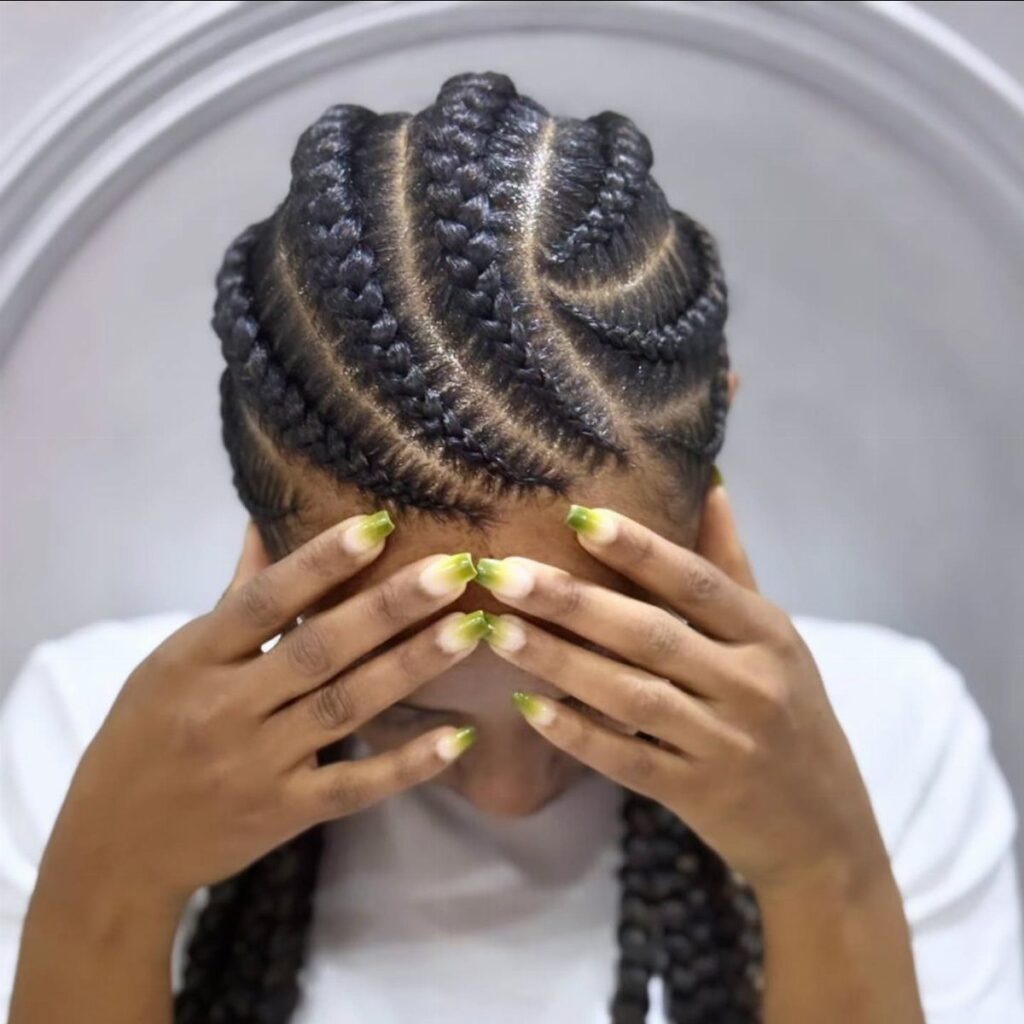
Skill level decides which of these 9 styles you can wear, since the list runs from straight-back cornrows a beginner can learn to swirling scalp braids that I would leave to an experienced braider.
Every style here uses only your own hair, so nothing has to match your texture, and the real cost is time: classic box braids can fill a full day in the chair, while cornrows into a high ponytail fit into a short morning.
Whatever you pick, set an end date, since 2 months is the limit I would give any braided style.
1. Cornrows
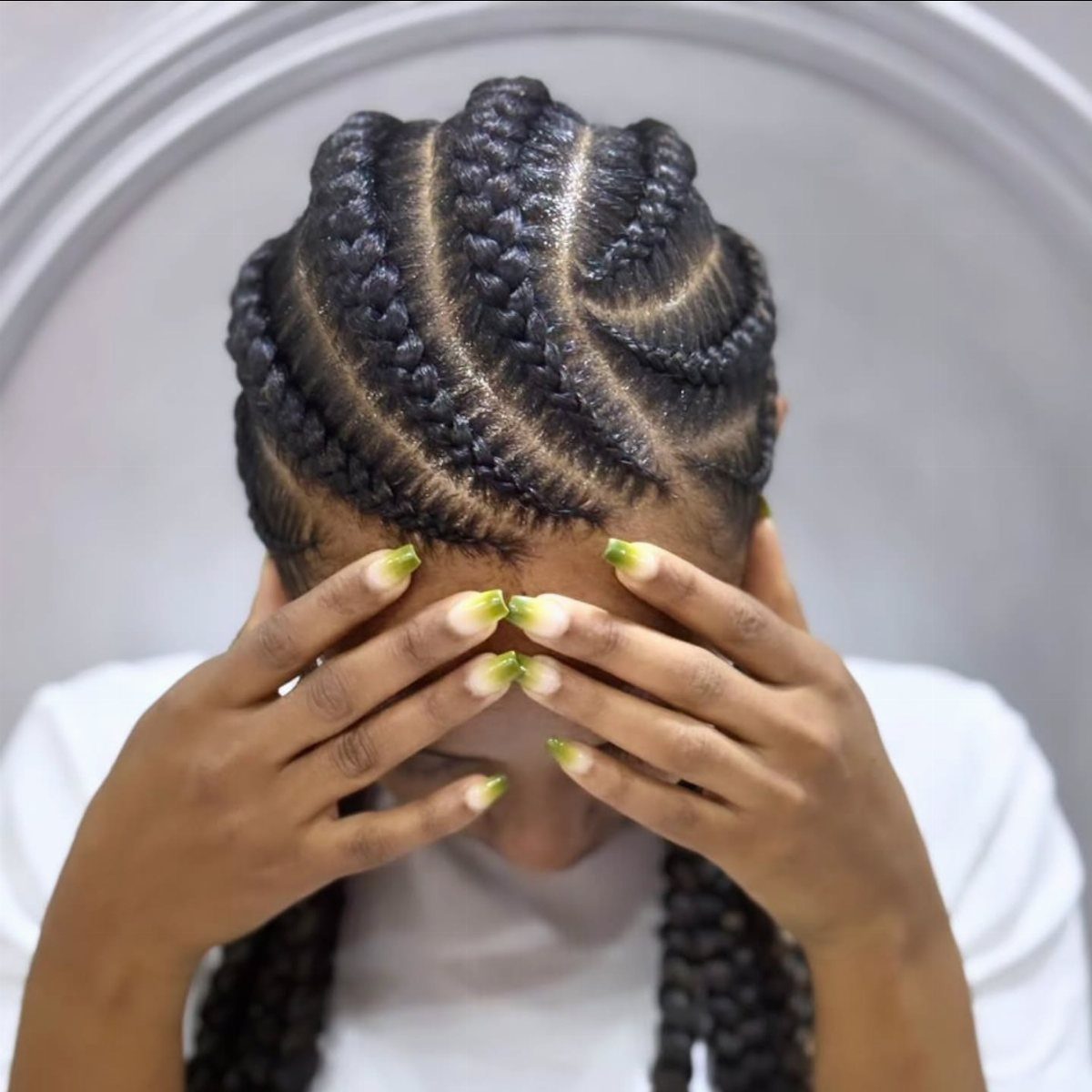
Cornrows are the simplest braids to wear with natural hair alone: each row sits flat against the scalp, so there is no added hair and nothing to match to your texture.
I like them for anyone short on time or skill, because the style stays neat and the shape is yours to choose.
Curved rows, like the ones here, take more practice than straight back rows, so beginners should start with straight lines.
For tight, clean lines, ask your stylist for "scalp braids."
2. Lemonade Braids
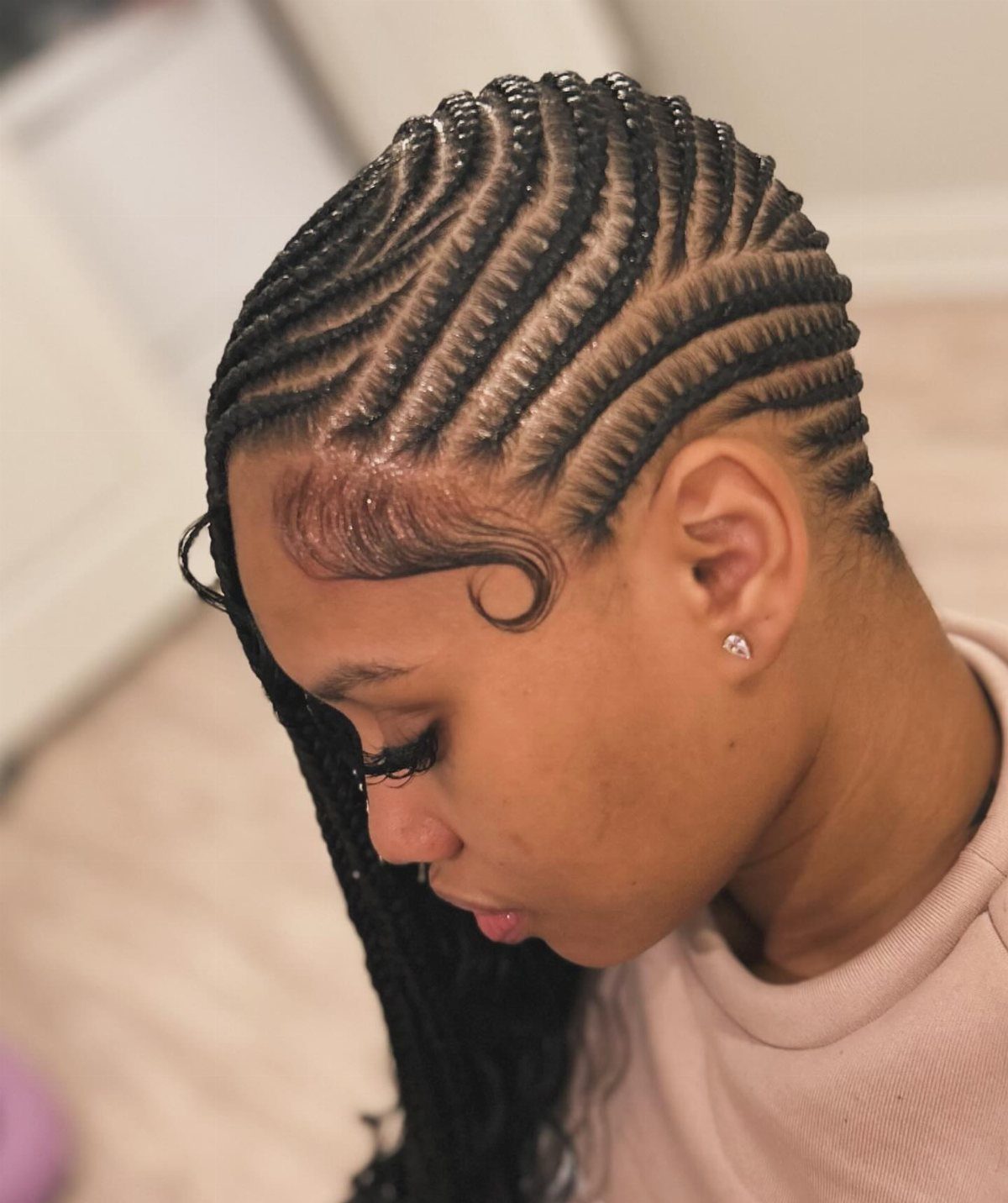
Lemonade braids sweep every row to one side, which makes the part line the whole design.
Beyoncé made the look famous, and I think it is the boldest thing you can do with cornrows and no extensions. Keep the edges smooth and the rows evenly sized, because on a side-swept style any wobble shows.
Bring a photo and ask for lemonade braids by name. A stylist will know the direction and the sweep you want.
3. Cornrows Into Puff Buns
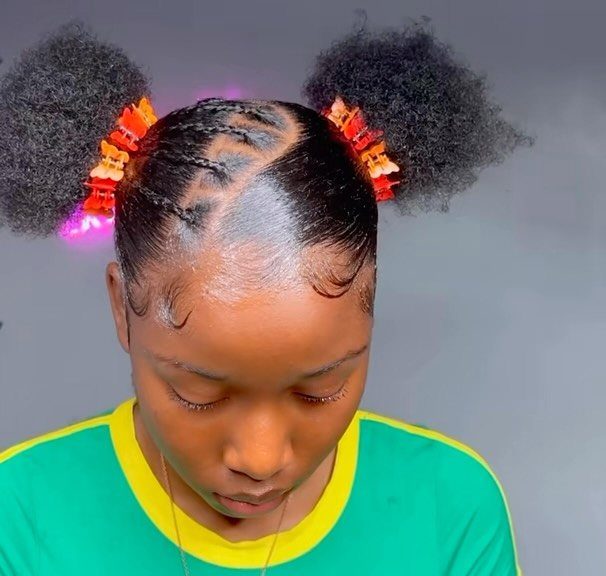
2 puff buns turn plain cornrows into something playful, and they show off your natural curl pattern where the braids end.
Braid the rows toward the crown of each side, then gather the ends and secure each puff with a hair tie.
Clips are an easy extra to add on top, and a bright color like orange stands out against the dark parts and braids.
For limited time, this is a good pick. The only skill involved is a clean center part.
4. Fulani Braids
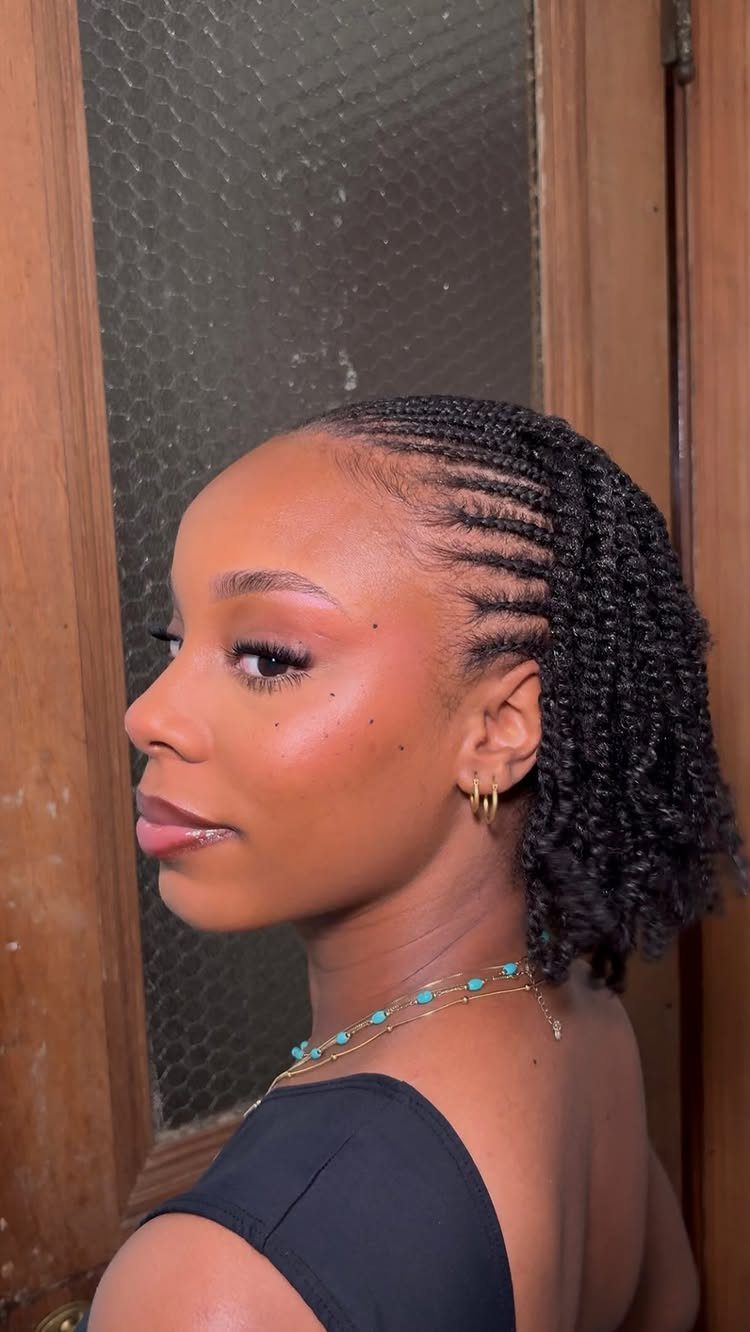
Fulani braids start as cornrows at the front, then continue as loose braids at the back, so you get two textures in one style.
One maker said theirs took about 4 hours, roughly half the time of regular mini twists with added hair. That is a real saving if your Saturday is short.
I would pick this over full braids when I want a style with some movement. Gold cuffs or jewelry on the braids are an easy add-on, though plain looks great too.
5. Natural Hair Braids with Beads
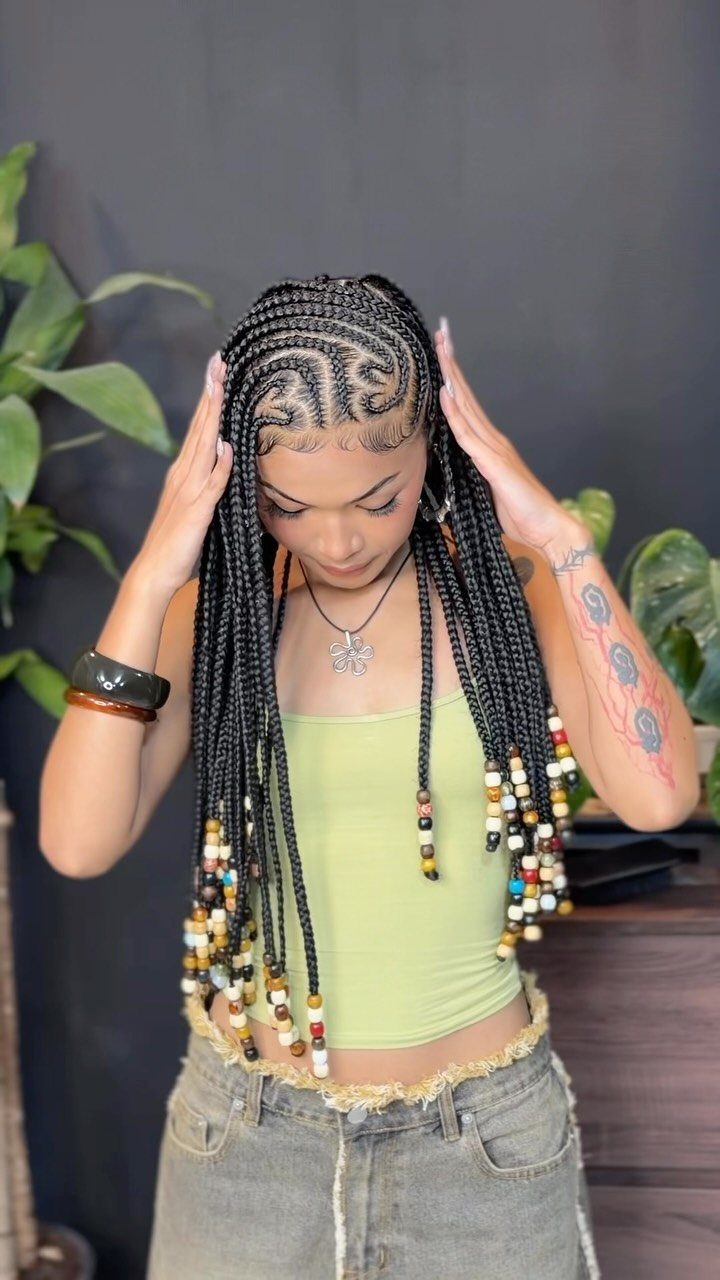
Beads are the quickest way to give braids a personality.
Slide them onto the loose ends and close each braid with a tie or a knot so they stay put. Smaller beads in a few colors, like the bright ones here, read as playful; one color reads cleaner.
Check that the bead holes fit your braid width before buying. Heavy beads can pull on thin natural braids, so I would keep them to the last few inches.
6. Classic Box Braids
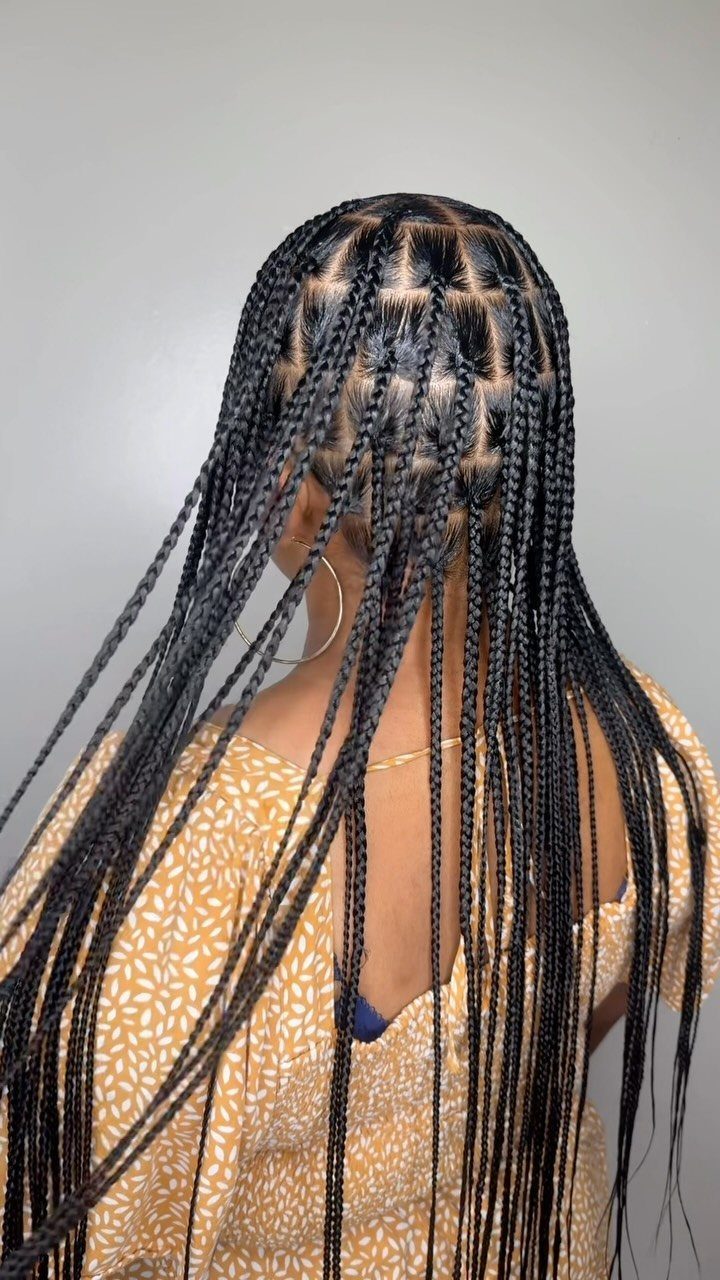
Box braids hang from square sections of scalp, and the neatness of those squares decides how good the style looks.
Long braids like these take real time, so book a full day with a stylist. For natural hair only, I would go with thinner or medium sections and keep the length modest.
Ask for clean, even parts and a braid that is not too tight at the root. A sore scalp is a sign something went wrong.
Yes, some hair shedding after removing box-braid styles is totally normal. Boozer explains, “On average, you naturally shed up to 100 strands a day, but when your hair is braided, you don’t see that daily shedding.”
— Glamour
7. Cornrows Into High Ponytail
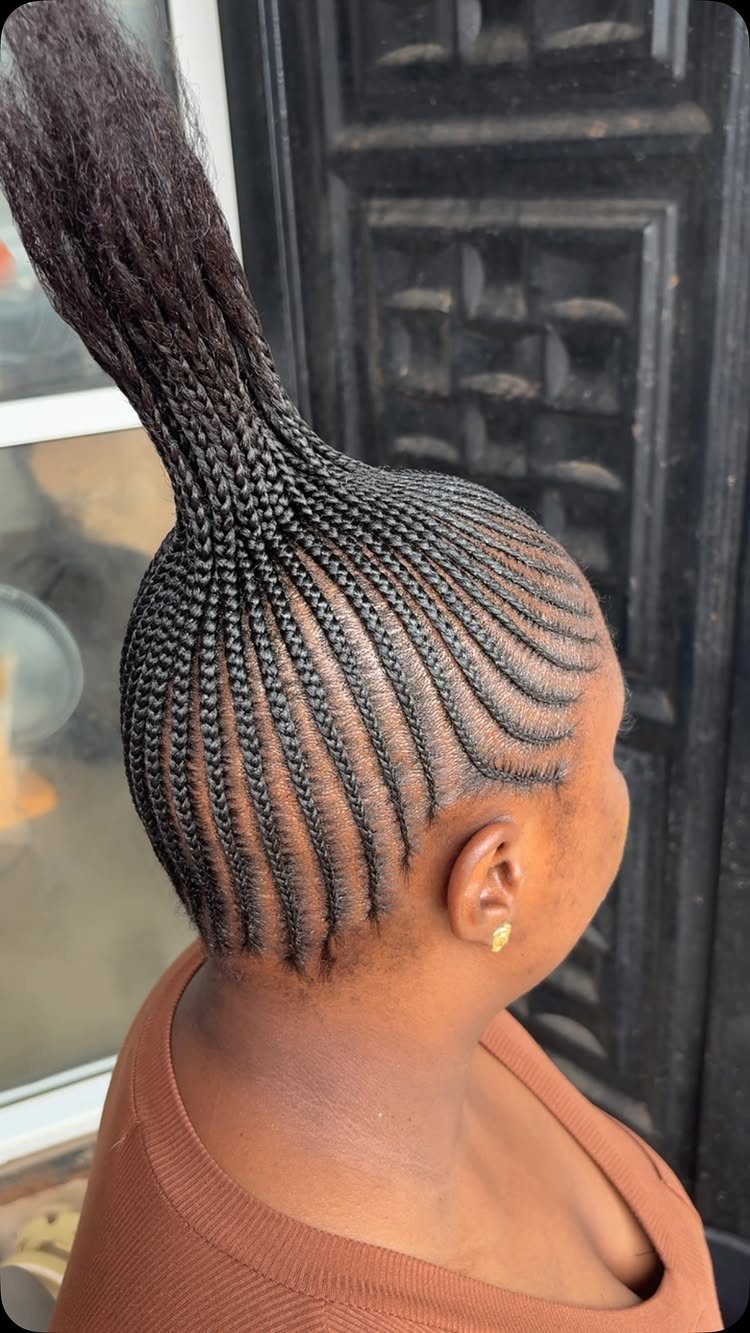
A high ponytail gives cornrows lift and volume, and it keeps every strand off your neck, which I like for warm days. Keep the rows snug but not painful.
Place the ponytail high and centered so the rows point toward it. A small wrap of hair around the tie hides the elastic and gives the ponytail a polished finish.
This works well if you have little time. The only real skill is keeping the rows straight.
8. Geometric Pattern Braids
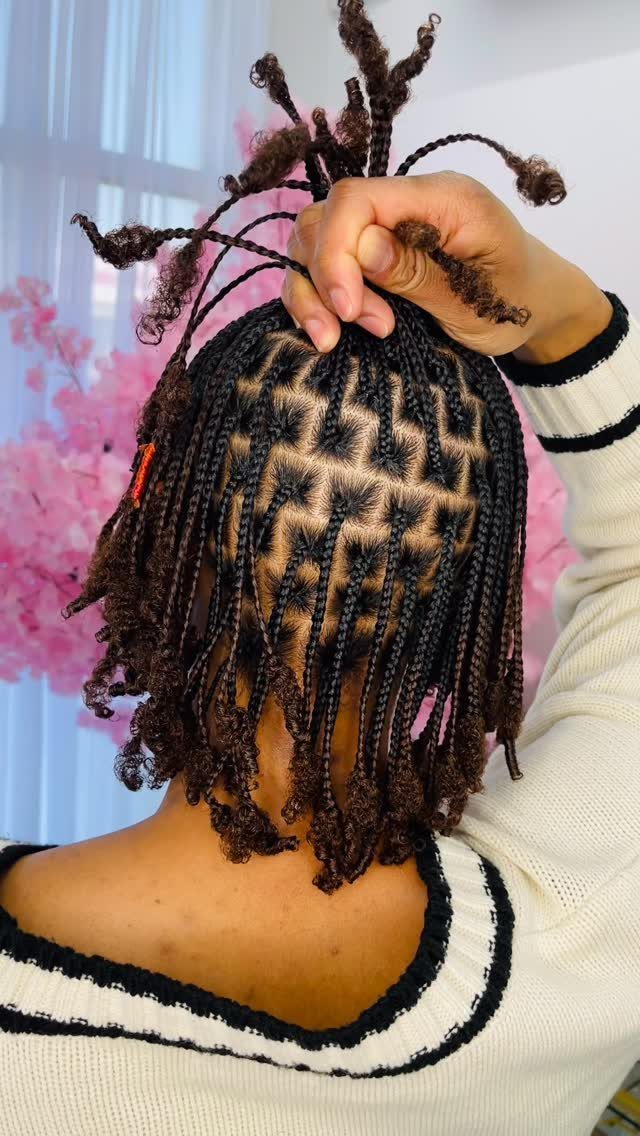
Geometric braids turn the scalp into a pattern, with sharp parts forming squares, triangles or zigzags before the braids finish in curly twists.
The parts are the whole design, so a stylist who draws clean lines matters more than anything else. I would not try this alone as a beginner, since you can’t see the back of your head.
Mention that you want the ends left in curly twists, so the pattern stays on top and the texture stays natural below.
9. Swirling Scalp Braids
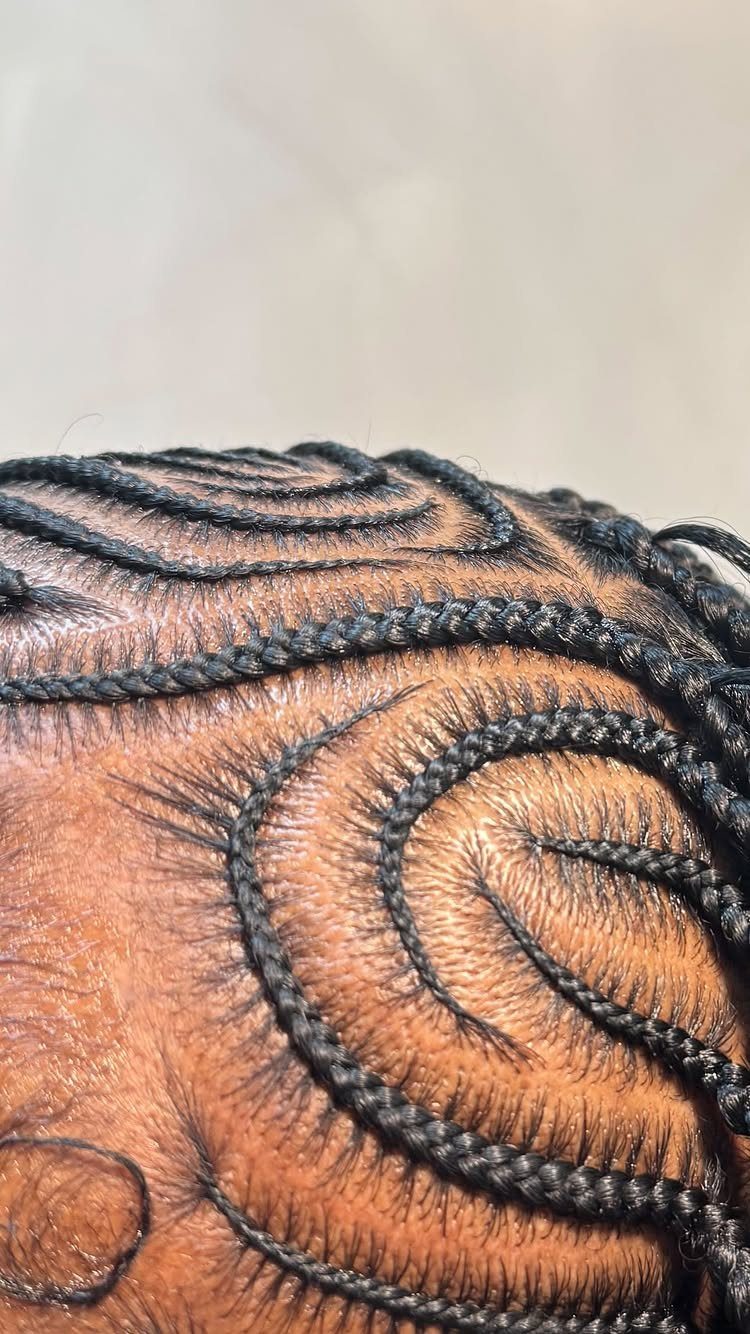
Swirling scalp braids curve in tight loops across the head, so the pattern reads from every angle.
They take more skill than straight rows, because each curve has to stay even in width as it turns. I would leave these to an experienced braider.
Ask for "curved cornrows" or "swirl scalp braids," and bring a close-up photo so the stylist can match the size of the loops. Keep the braids small and snug, but tell them right away if your scalp feels sore.
Maintaining Braids
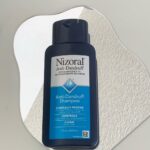
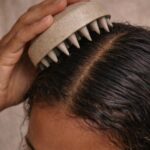
A braided style still needs a routine, and the scalp is where it starts. Cleanse it weekly, and keep a light oil or a water-based spray on hand for the days in between.
Every 2–3 weeks, a watered-down shampoo or a scalp cleanser can clean the braids, and a leave-in afterward keeps the length from drying out.
Heavy creams and butters are the usual cause of buildup and itch, so I reach for lighter formulas. Oils with penetrating ingredients, like coconut, jojoba and olive oil, soften the hair at the root without sitting on top of it.
Wrap your hair at night. Then plan the takedown: keep the style in for no more than 2 months.
Protective Styles
What they do is tuck the ends away and cut daily handling, so the length you gain isn’t lost to breakage.
That benefit disappears when the style is pulled too tight or worn too long. Tension at the root can cause damage, and so can leaving braids in well past their time.
Before you start any braided protective style, set an end date, then take the braids down when it arrives.
Hair Preparation
Start with clean hair. Wash with a sulfate-free shampoo to remove buildup, then follow with a conditioner to soften the strands.
A deep conditioning treatment comes next. Braided hair stays put for weeks, so going in strong and hydrated helps you avoid brittle hair at takedown.
Detangle while the hair is wet, and work in sections rather than all at once, which cuts breakage and goes faster. A leave-in conditioner makes the comb glide, and a little extra on tangle-prone spots helps if you’re tender-headed.
Frequently Asked Questions
What type of hair is best for braids?
Clean, well-hydrated natural hair that has been detangled is the best starting point, whatever your texture.
Wash with a sulfate-free shampoo, follow with a conditioner and a deep conditioning treatment, then detangle while the hair is wet and work in sections.
Braids stay in for weeks, so hair that goes in strong and moisturized is less likely to turn brittle at takedown.
Can you give me a list of natural hairstyles?
For braids with no added hair, cornrows are the easiest place to start.
From there you can try lemonade braids (all rows swept to one side), cornrows into puff buns or a high ponytail, Fulani braids, box braids in thin or medium sections, beaded braids, geometric pattern braids and swirling scalp braids.
Straight-line styles suit beginners, while curved and patterned parts are better left to an experienced braider.
What are bald braids?
I can’t give a reliable definition of that term, so I won’t guess.
If you mean braids that sit flat against the scalp with no added hair, that describes cornrows, which a stylist may also call scalp braids. Bring a photo to your appointment so the look is clear.
Can I wash my hair with braids?
Yes, and you should keep up a routine. Cleanse the scalp weekly and go gently.
Every 2–3 weeks, a watered-down shampoo or scalp cleanser can clean the braids, and a leave-in afterward keeps the length from drying out. On the days in between, a light oil or water-based spray handles the scalp.