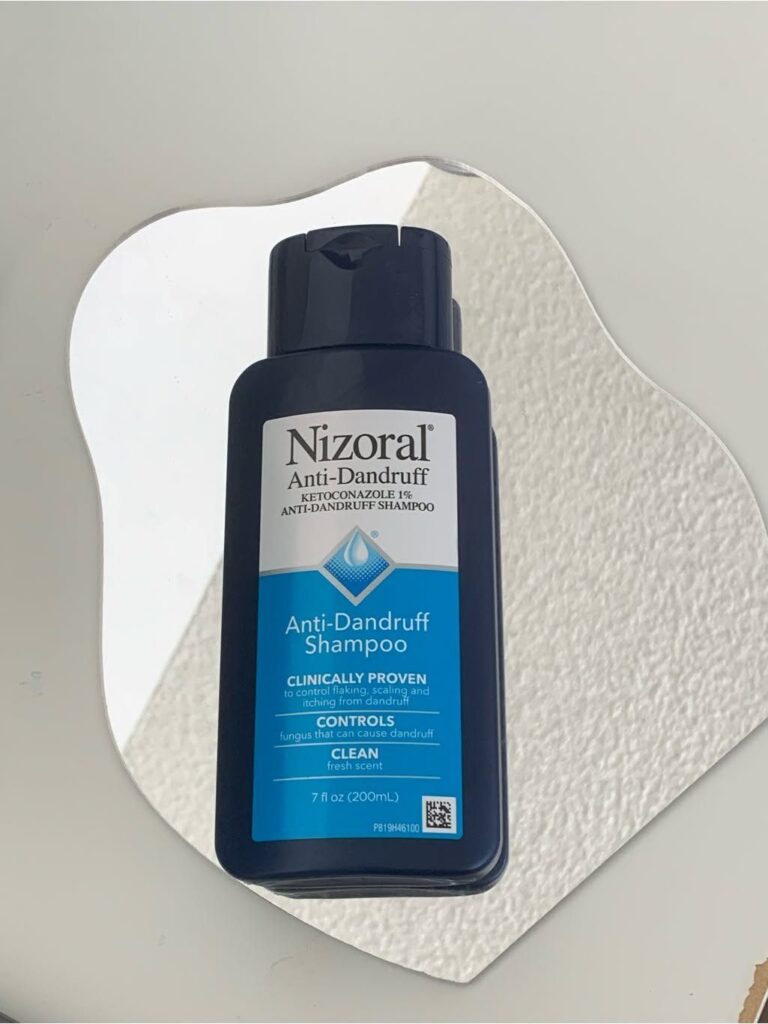
What is actually on your scalp decides which approach fits: large, greasy flakes point toward oil, small, powdery ones toward dryness, and that call tells you whether a medicated shampoo, tea tree oil or gentle exfoliation is the better place to start.
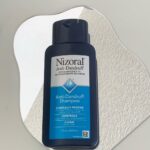
The options here run from a drugstore shampoo with 1% pyrithione zinc to an occasional liquid scalp treatment applied in sections.
1. Dandruff Shampoo
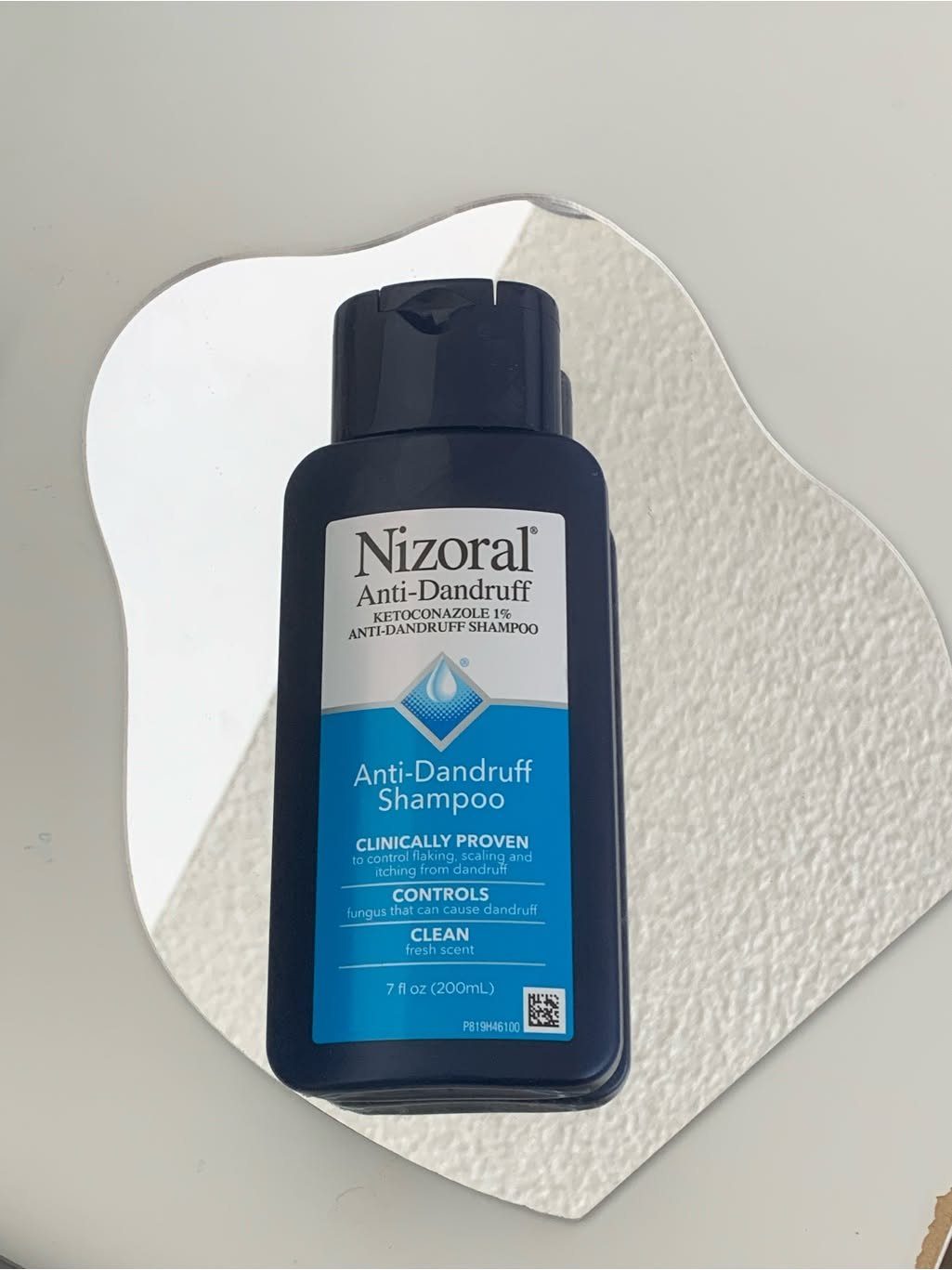
Regular shampoo cleans; a medicated one is built to treat the flaking itself.
Lather it into the scalp rather than the lengths, and leave it on for a few minutes before rinsing, so the active ingredient has time to work.
Medicated bottles cost more than basic shampoo, so I use one on wash days and a gentle shampoo in between.
2. Tea Tree Oil
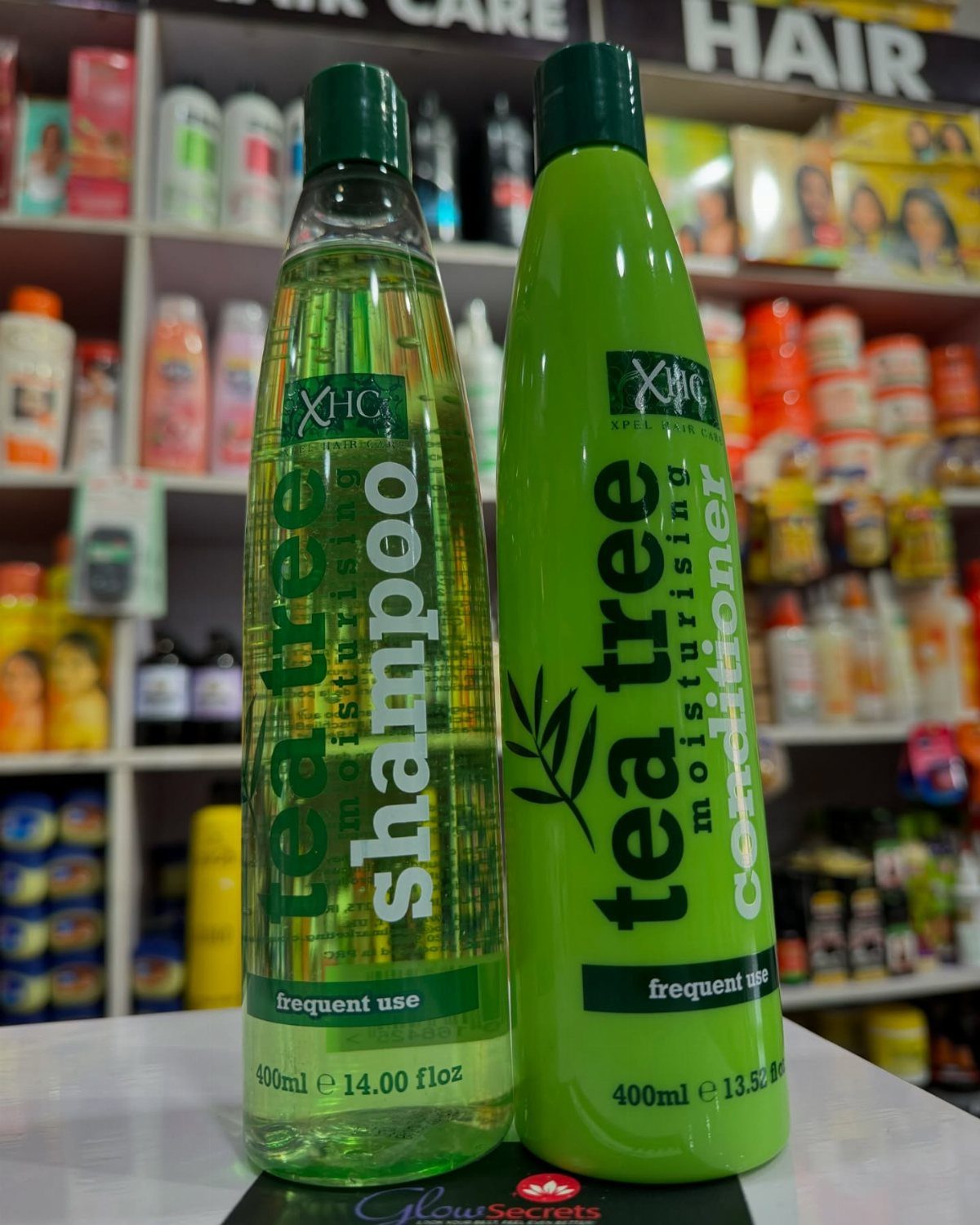
Tea tree shampoo is the gentler, more budget-friendly route, and most brands sell a matching shampoo and conditioner pair, so you can keep the whole routine in one line.
Both bottles shown are labeled moisturizing, which suits dry, tight scalps better than a harsh clarifying formula.
I treat it as an alternative remedy, not a guaranteed fix. If flakes don’t ease after a few weeks of steady use, I’d move to a medicated shampoo instead.
3. Exfoliating the Scalp
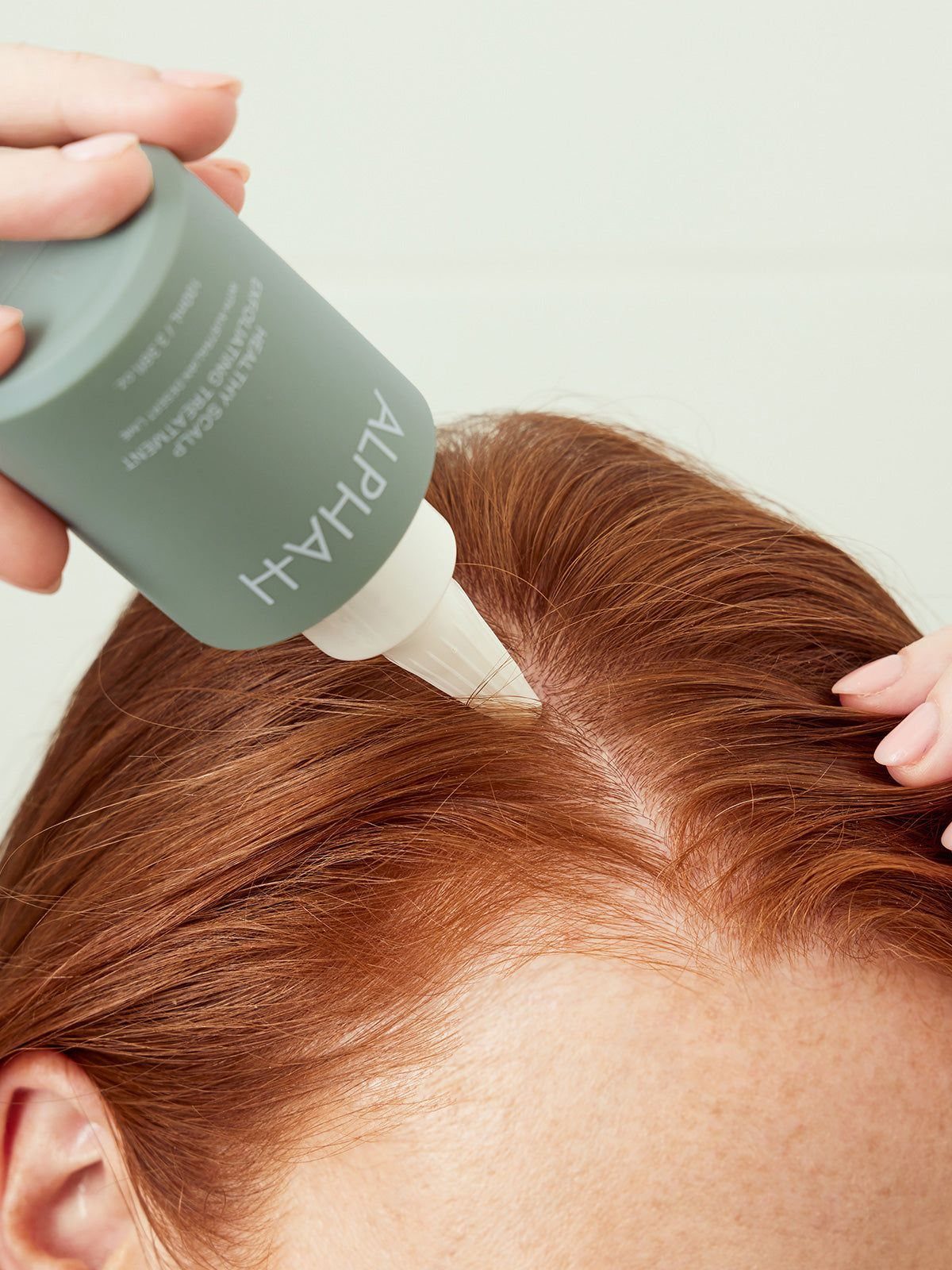
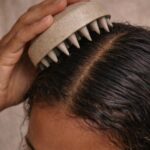
Scalp exfoliation loosens built-up flakes so they rinse away instead of clinging to the roots. A liquid scalp treatment goes on in sections, with the nozzle or your fingertips parting the hair so the product reaches skin, not just strands.
Use your fingertips and stay gentle, because scrubbing hard on an irritated scalp can make flaking worse. I’d keep this to an occasional step alongside your regular shampoo, not a daily habit.
Dandruff Causes
Dandruff is skin cells shedding faster than they should.
4 causes come up most.
A fungus called Malassezia globosa lives on most adults’ scalps and irritates some of them, which drives extra cell growth. Oily, irritated skin, known as seborrheic dermatitis, looks red and greasy with white or yellow scales.
Dry skin can flake too, though those flakes run smaller and less oily. Sensitivity to an ingredient in a shampoo or styling product can cause redness and flaking as well.
Stress deserves a spot on that list. If your flakes clear up on vacation, a lower stress level may be the reason, not the location.
Match the flake to the cause: large and greasy points toward oil, small and powdery toward dryness.
Prevention Tips
Rinse every bit of shampoo out. Leftover product sits on the scalp and adds to the irritation you’re trying to calm.
Check labels on styling products too.
Alcohol and bleach dry the scalp out, and heavy oily products build up on it. Both can bring flakes back.
For mild dandruff, a gentle shampoo that removes oil and buildup, paired with its matching conditioner, may be all the change you need. For stubborn flakes, a medicated formula with 1% pyrithione zinc is a common choice.
Some research suggests UV light slows the yeast and flaking, so a few minutes of daily sun on your scalp might help, though I wouldn’t count on it alone or skip sunscreen on your skin.
Keep it brief, because too much sun raises skin cancer risk.
Stress management counts as scalp care. Meditation, yoga and deep breathing are easy places to start.
The first step for treatment is similar to what you have tried: over-the-counter dandruff shampoos, containing zinc, selenium, or ketoconazole. For maximum benefit, the shampoos should be left on the scalp for five minutes before rinsing.
When to See a Doctor
For most people, a medicated shampoo from the drugstore is enough to clear flakes within a few weeks. Give one a full month of steady use before judging it.
Book a dermatologist if flakes haven’t improved after that month, or if they’re getting worse.
If your scalp looks very red, feels inflamed, or the itching and flaking are severe, book a visit sooner instead of waiting out another round of shampoo.
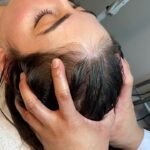
A doctor or dermatologist can examine your scalp and hair and confirm whether you’re dealing with dandruff at all. That exam also checks for eczema and psoriasis, which look similar with their own flaking but respond to different treatments.
Frequently Asked Questions
How to know if dandruff is fungal or dry scalp?
Look at the flakes. Large, greasy flakes point toward dandruff tied to oil and the yeast-like fungus Malassezia globosa, while small, powdery flakes point toward dry skin.
Dry scalp rarely looks red or oily, so those signs, along with white or yellow scales, point toward dandruff.
What could be causing my itchy scalp without dandruff?
A reaction to something in your shampoo or styling products can leave the scalp red, itchy and flaky, even with no true dandruff.
Leftover shampoo that wasn’t rinsed out can add to the irritation too, and alcohol-heavy products can dry the scalp.
If the itching is severe or the scalp looks very red or inflamed, see a dermatologist, since eczema and psoriasis can look similar but need different treatment.
When should I see a doctor about dandruff?
If 4 weeks of regular medicated washes haven’t calmed the flakes, or they’re spreading, I’d see a dermatologist. An exam can confirm it’s dandruff and rule out eczema or psoriasis.