Length and chair time decide which of these is yours: Braided Bobs and Half-Up Fulani Braids with loose curls down the back take far less time than Skinny Long Braids, where thin sections mean many braids and a long appointment.
The list runs from Classic Straight-Backs, which need almost no styling, to Curved Stitch Braids, where the scalp pattern itself becomes the design.
1. Fulani Braids
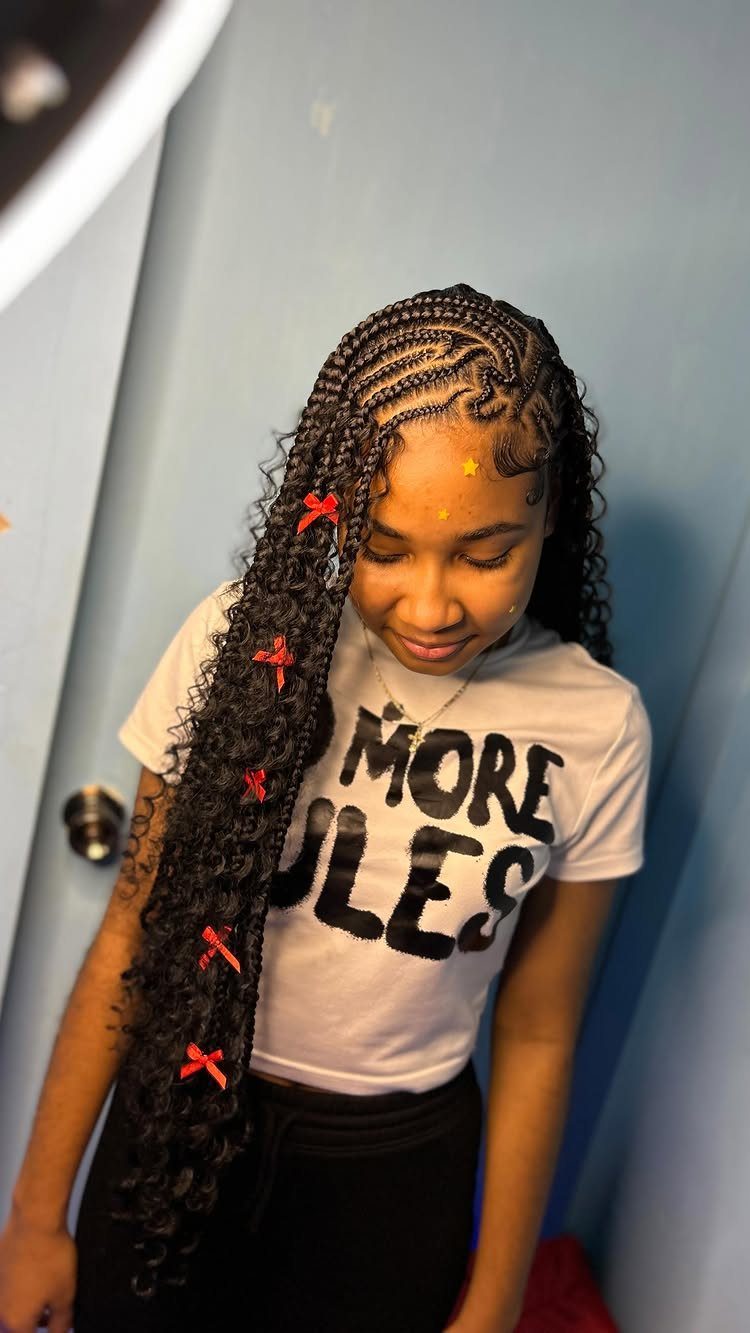
Fulani braids are defined by the pattern at the crown, so that is where to spend your time with a stylist.
Bring a photo and ask for the same layout up top; the red bows are a separate add-on you can tie on at home.
Long lengths like these look striking but pull on the front, so I would ask for a snug, not tight, fit around the hairline.
2. Braided Updo
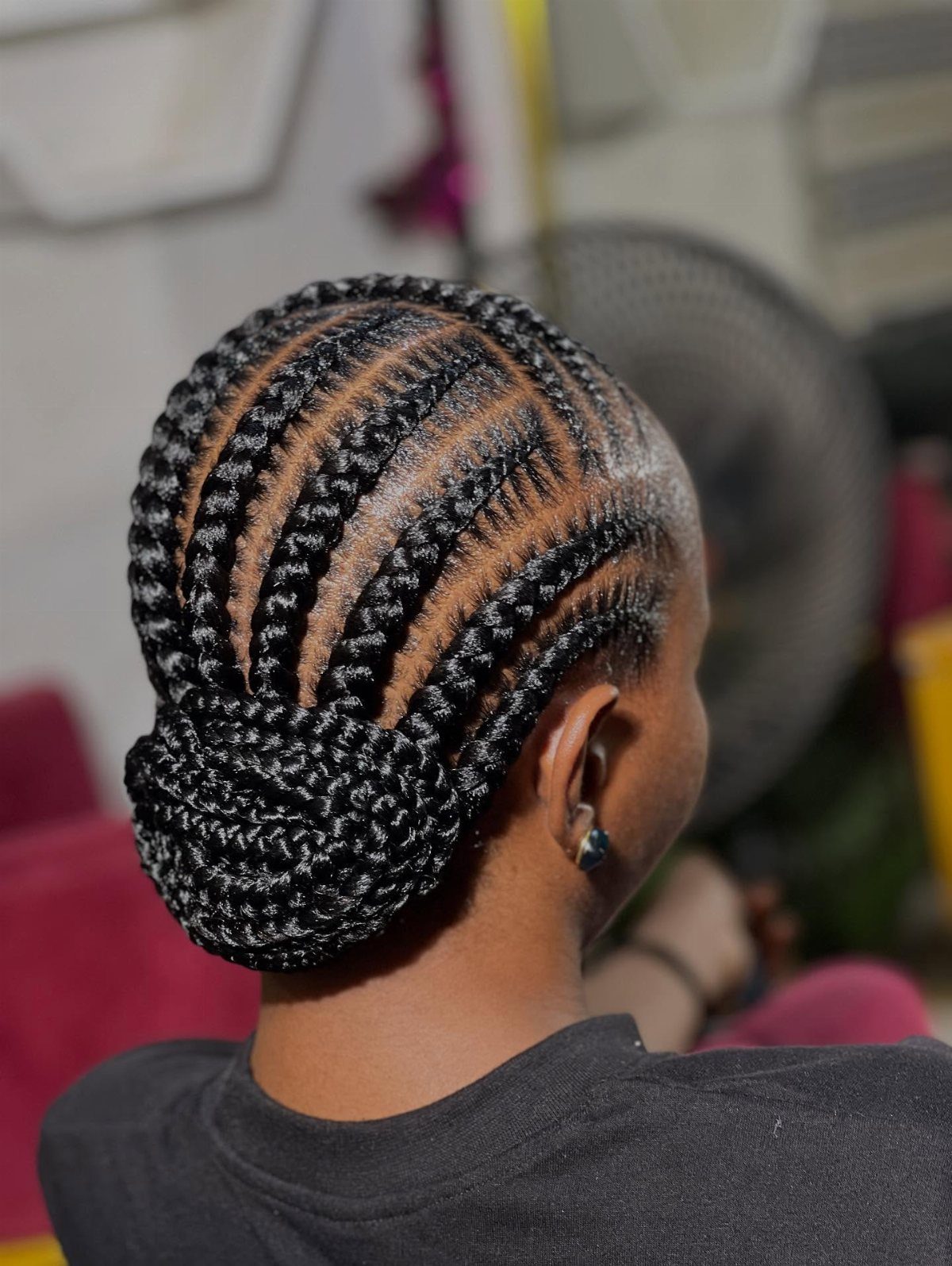
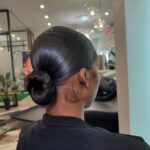
A low bun at the nape is the easiest way to make feed-in cornrows look dressed up. The braids run back, then gather into one coil, so the style works for a dinner as easily as a workday.
I like a bun placed low because it keeps the back view clean.
Braids for an updo should stay long enough to wrap twice around the base, and the tail needs to be pinned flat against the scalp so it does not poke out.
3. Feed-In Braids
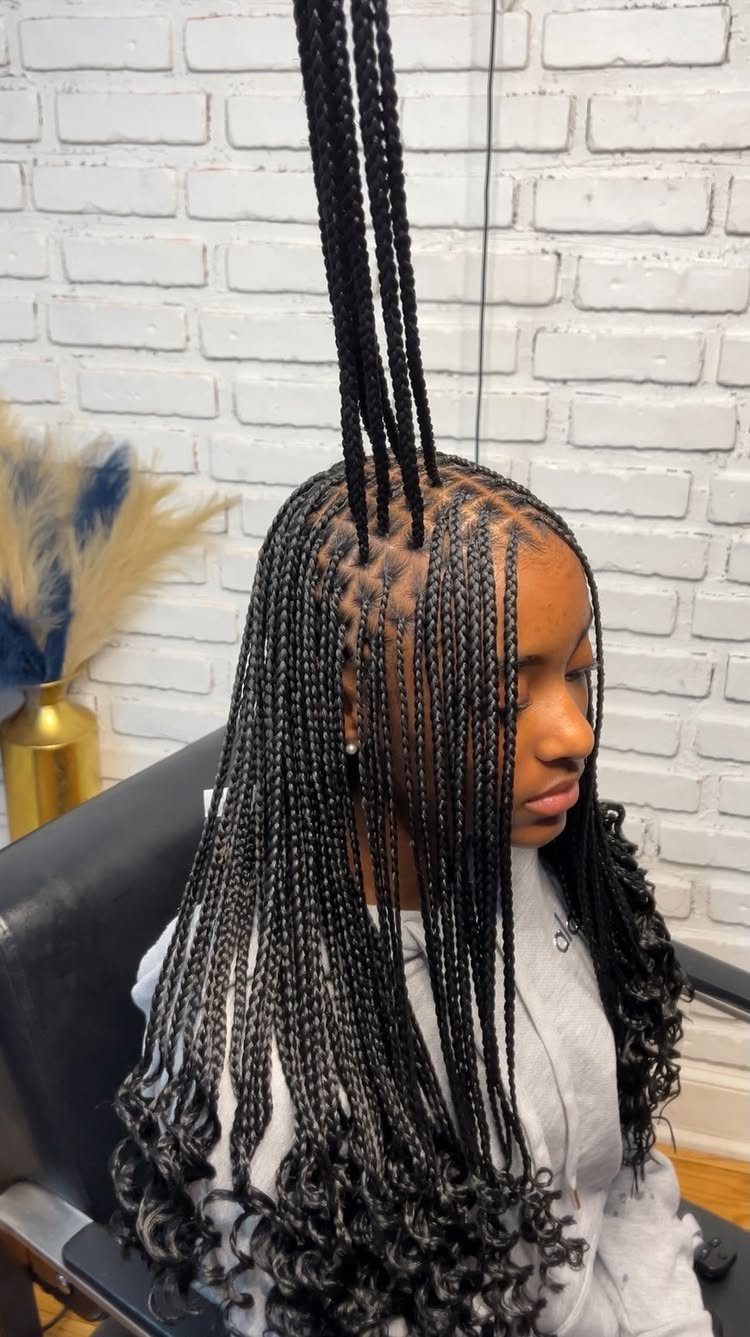
Feed-in braids start with your own hair and add extension hair a little at a time, so the braid grows thicker gradually instead of starting with a blunt bump at the scalp. That is why the root looks natural.
When you book, ask for "feed-in" by name, and tell the stylist how long you want them to hang.
"Feed-in braids are any braid or plait that has hair added to it for neatness and length," NYC-based hairstylist Koni Bennett says. The process is simple: a braid is, usually, started on your natural hair.
4. Jumbo Box Braids
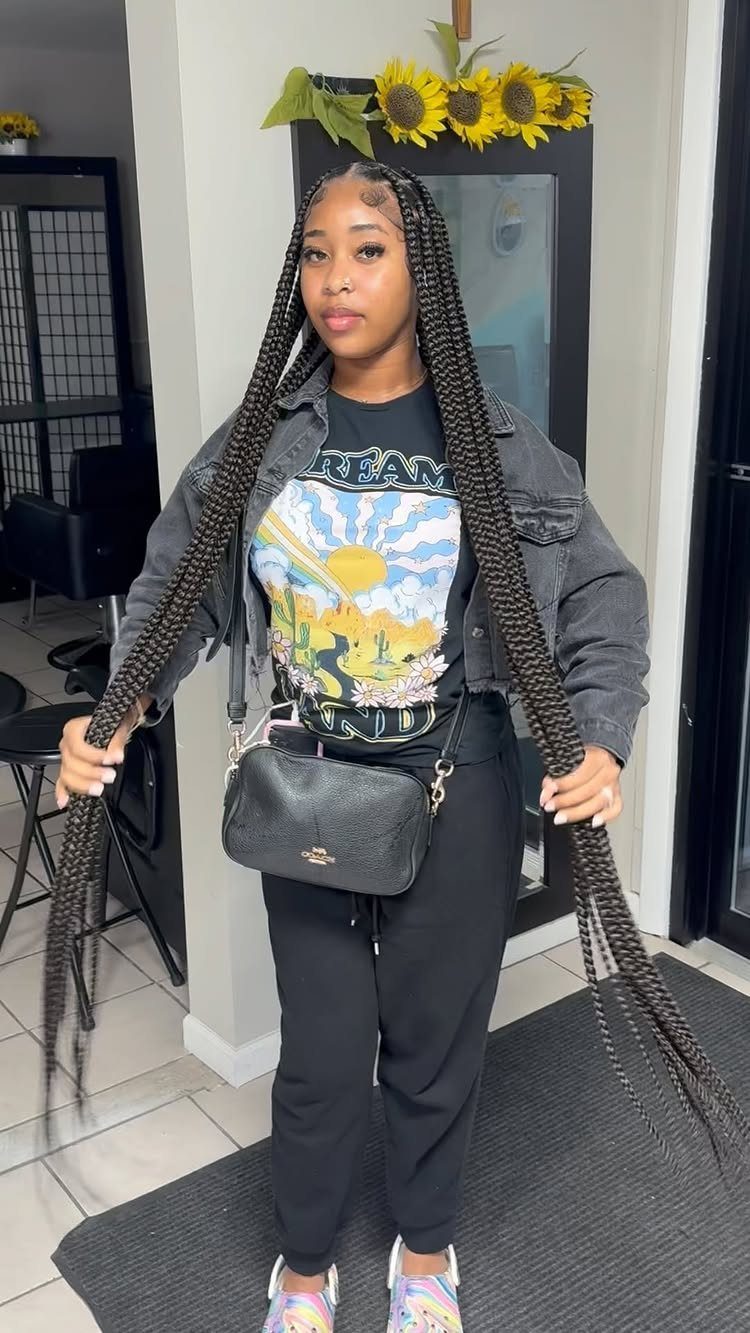
Jumbo box braids win on speed: fewer, thicker sections mean fewer braids to make and a bolder look. They also hang heavier, so ask for sections you can comfortably carry.
I would pick this size if you want impact without a long list of parts. Thick braids give up some styling range, since they do not twist into small updos as easily as thin ones.
5. Goddess Braids
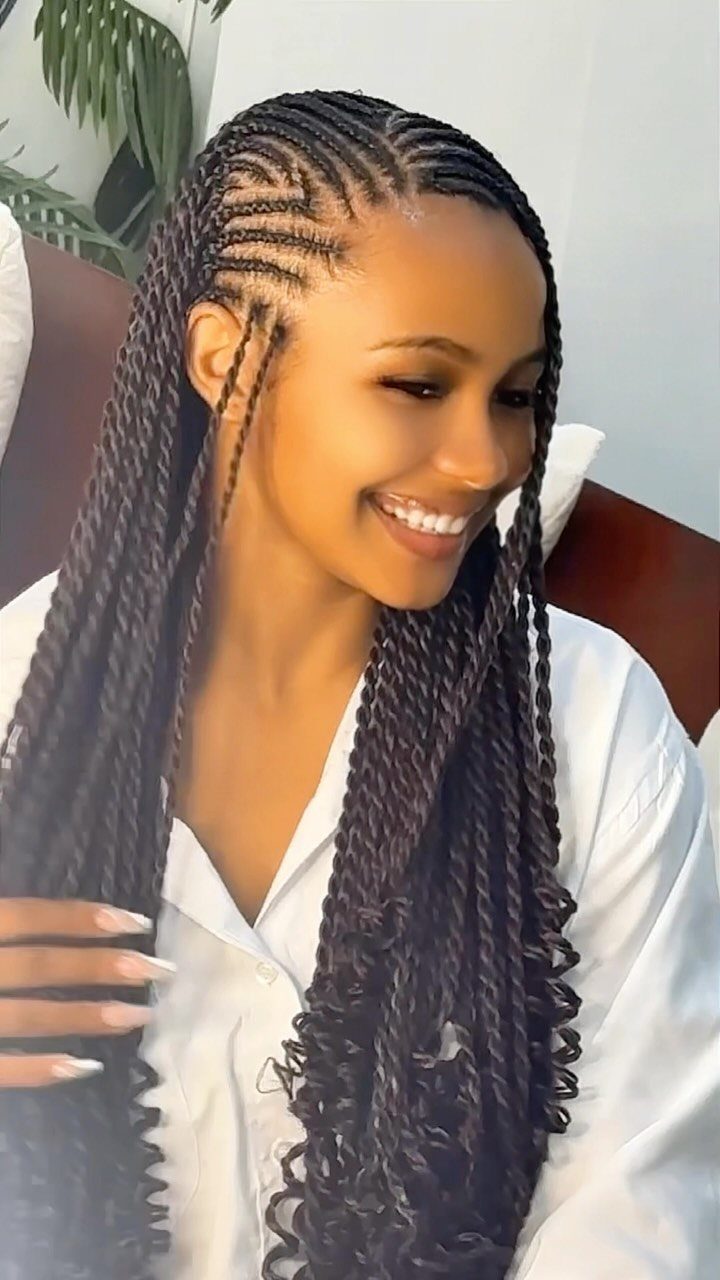
Goddess braids sit raised and chunkier than standard cornrows, so the scalp pattern reads clearly from a distance. Curly ends, as seen here, add a soft finish to the thicker braids.
Ask for the raised, chunky look by name, since regular cornrows come out flatter. I prefer leaving the ends curly because it balances the weight of the braids and looks relaxed.
6. Boho Box Braids
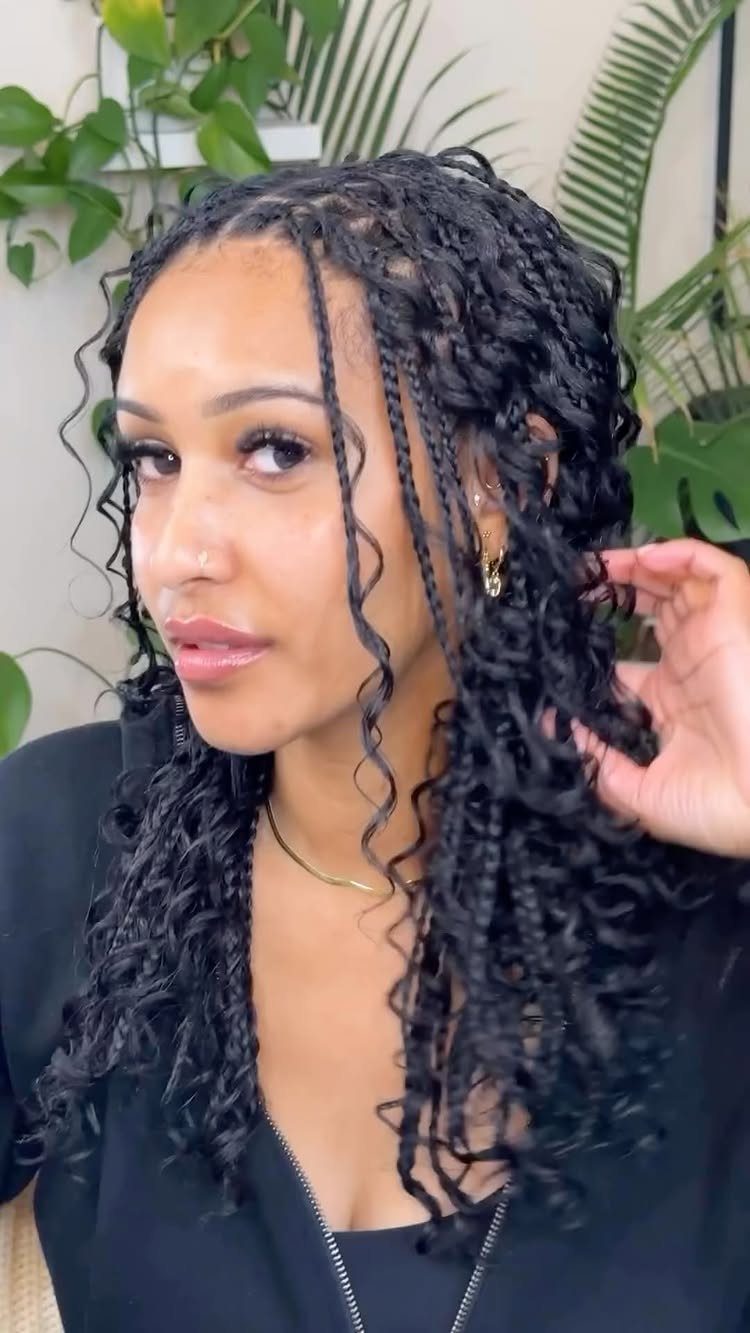
Loose, curly strands are what make boho box braids feel summery. Braids are left with pieces hanging free, which gives a soft, lived-in finish instead of a crisp one.
For a boho look, braiders pull out or leave out strands along the length; decide how much you want before the appointment and bring a photo that shows the amount.
I would go lighter on loose pieces at first; you can always tease out more at home.
7. Curved Stitch Braids
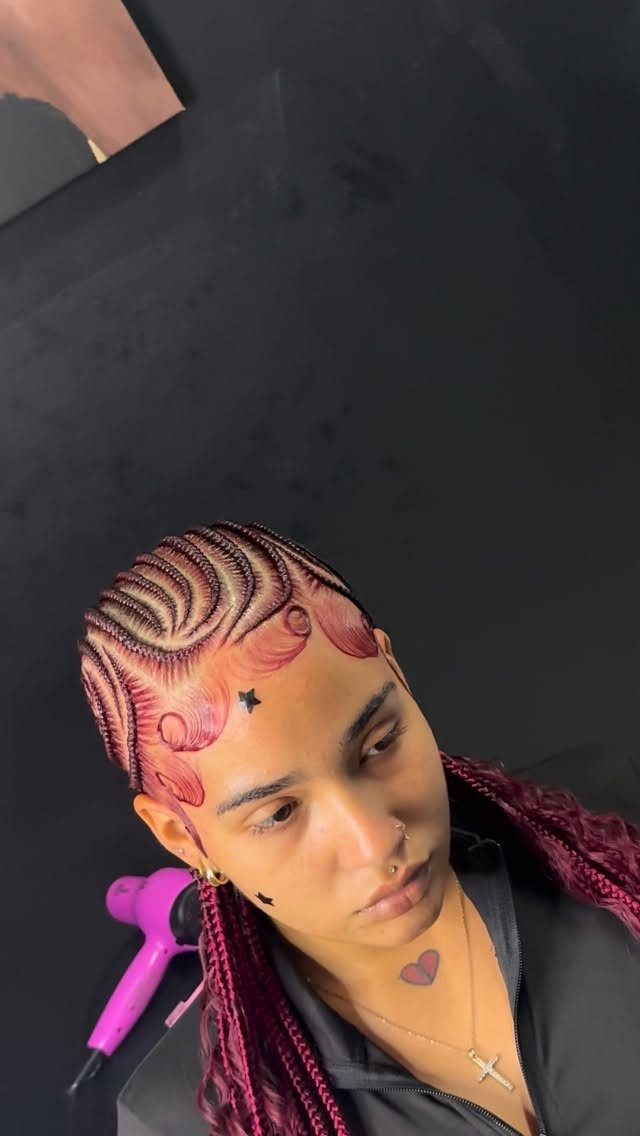
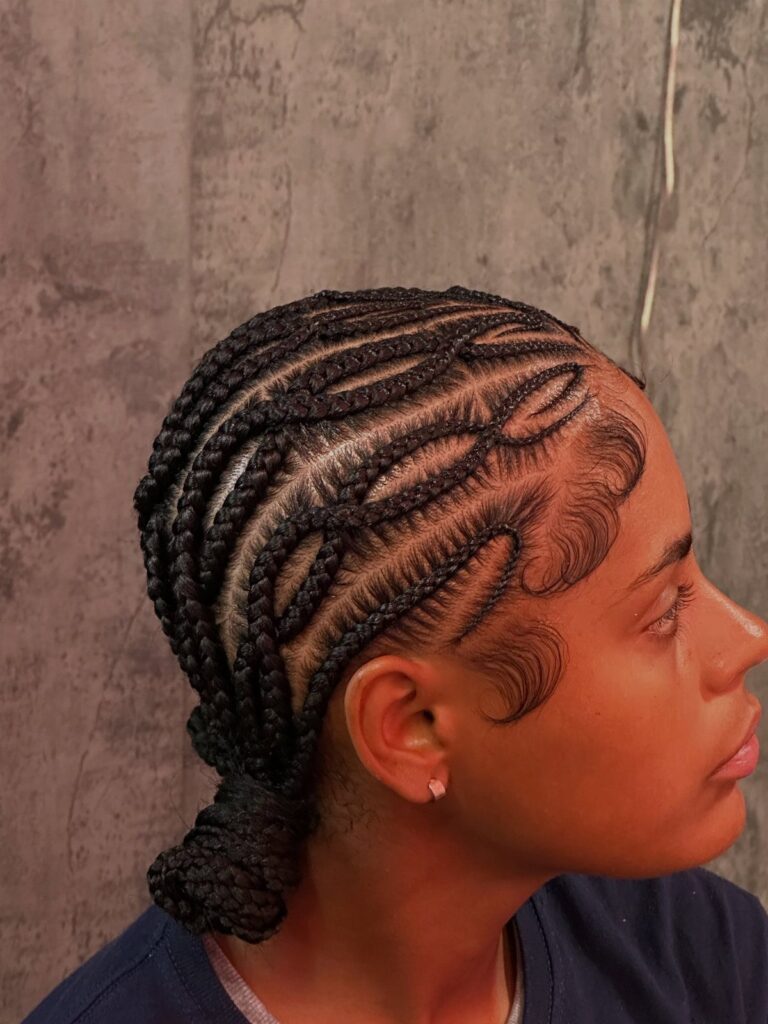
Curved stitch braids bend the feed-in lines into arcs and swirls instead of straight rows, so the scalp becomes the design. The reddish tones here make each curve easy to read against the part lines.
Bring a photo and ask the stylist to map the curves before braiding. I would pick fewer, larger arcs over many tight ones; they stay clean longer as new growth appears.
8. Skinny Long Braids
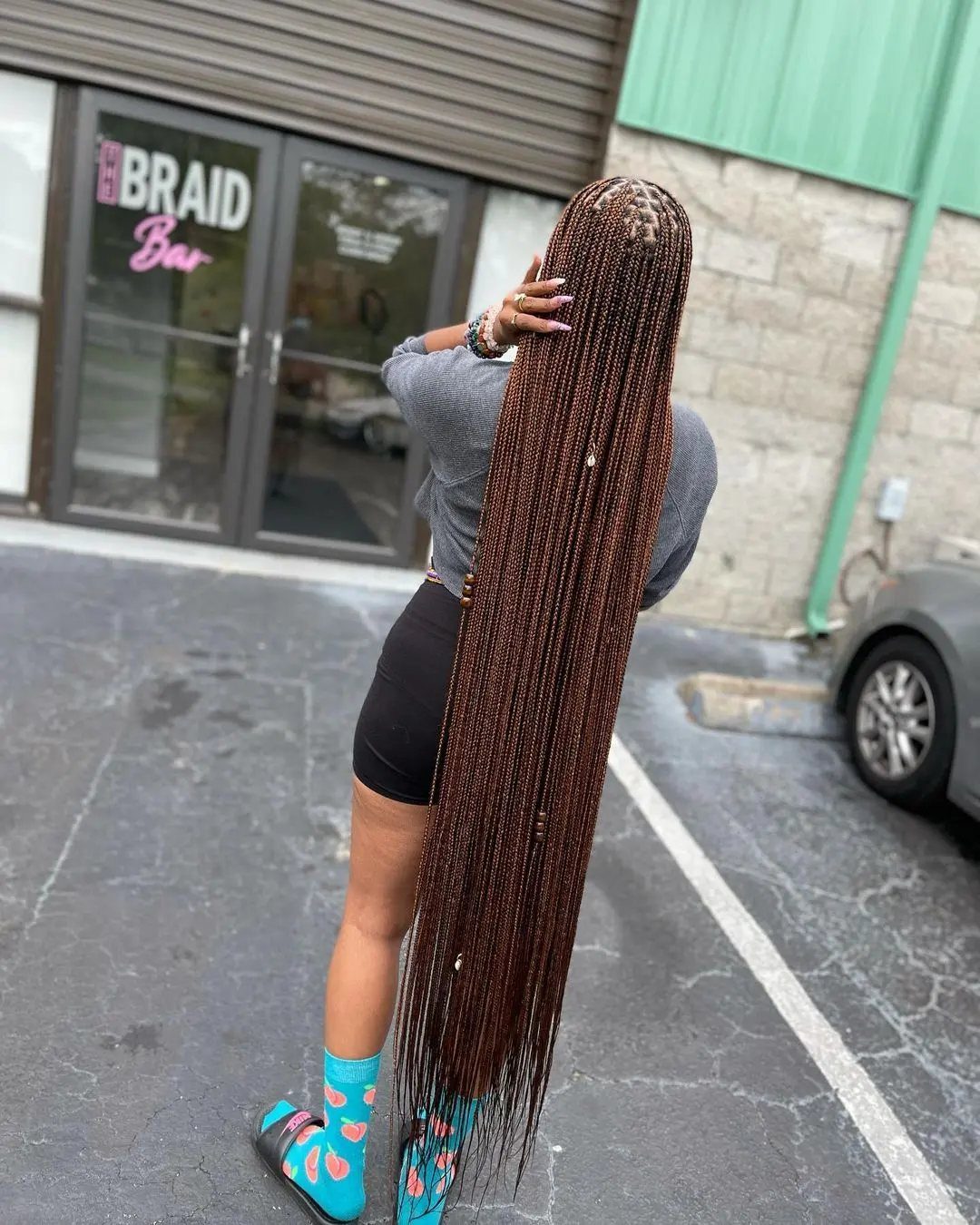
Skinny feed-ins carried down to the calves or lower fall in one smooth, liquid line, and the extra length is what sets this version apart from a shoulder-length set.
Expect a longer sitting, since thin braids take more time, and the added weight pulls on the edges more, so ask your stylist to keep the tension light.
Expect a long appointment, since small sections mean many braids.
I would still choose it for the clean finish. Ask the stylist to seal and trim the ends evenly, because uneven tips show more on a style this long and thin.
9. Two-Strand Twists
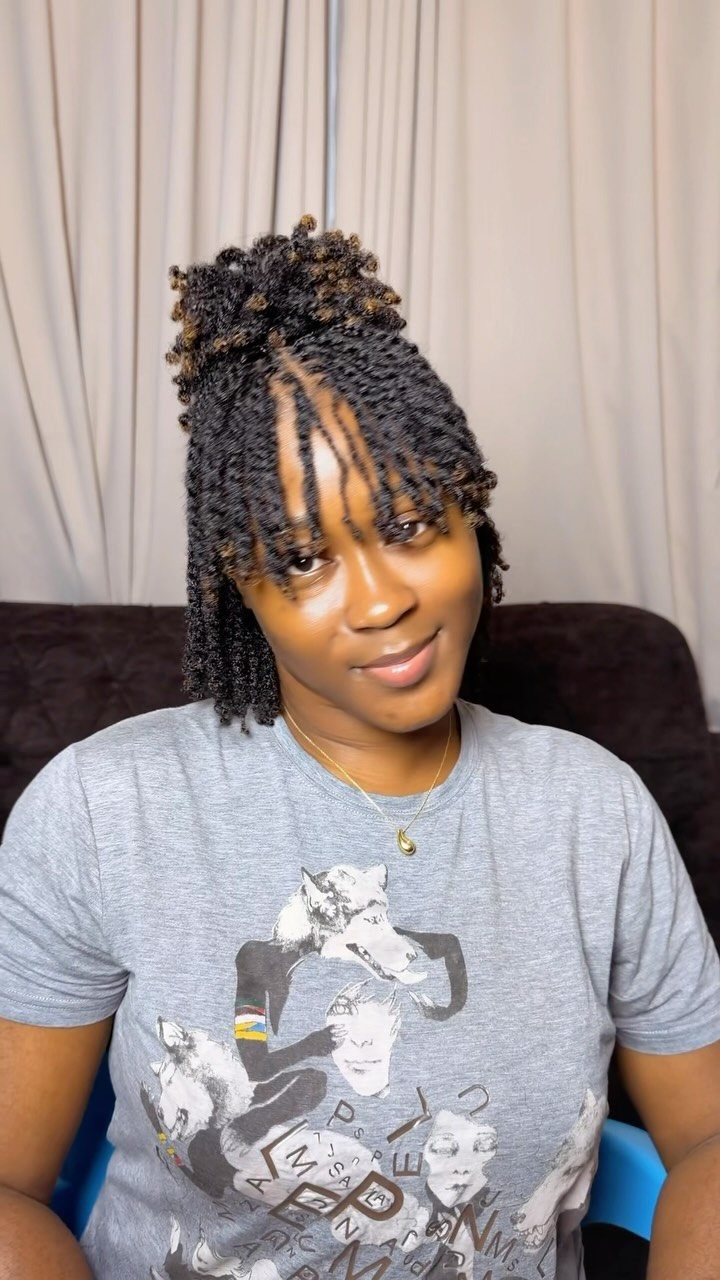
Two-strand twists are made by wrapping two sections around each other, so they look softer and rounder than a plaited braid. Piled into a high bun with a few loose strands and bangs, they feel playful.
A high bun is the easiest way to wear them at home: gather, twist the bundle around itself, and pin.
I would leave a few strands out at the front for softness, and keep the bangs short enough to stay off the eyes.
10. Side-Swept Braids
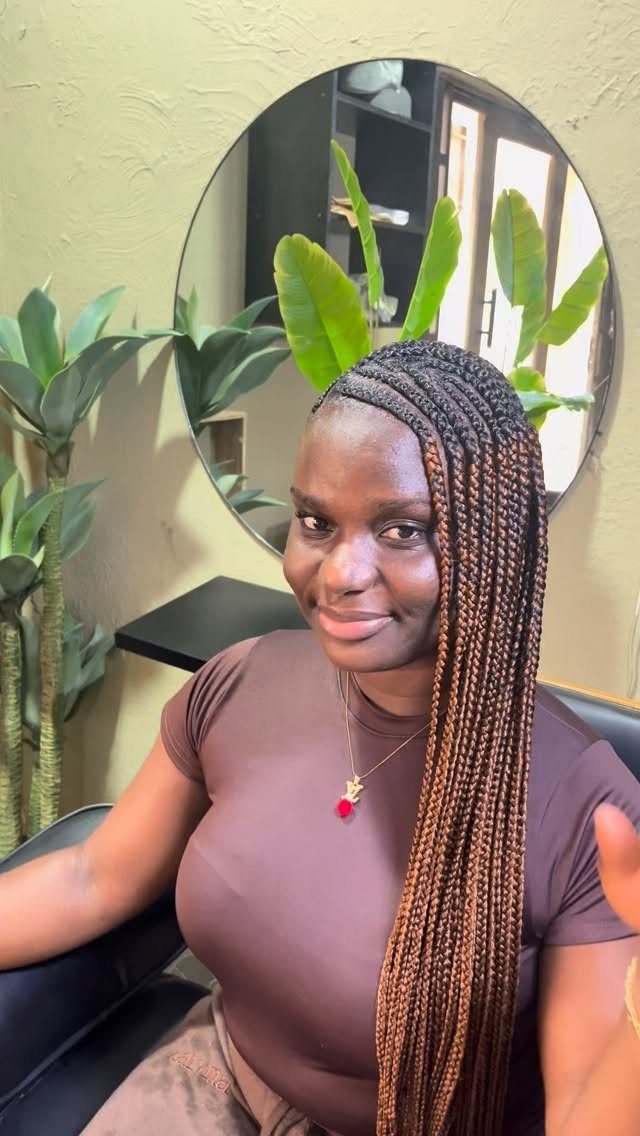
Sweeping long braids over one shoulder is the fastest way to change a style you already have. It shows off the length on one side and gives the part a little asymmetry.
Pick your side by where you naturally part or where the braids fall.
I like switching sides through the week so the weight does not always sit on one spot. Nothing needs to be done at the appointment; this is purely a styling choice.
11. Classic Straight-Backs
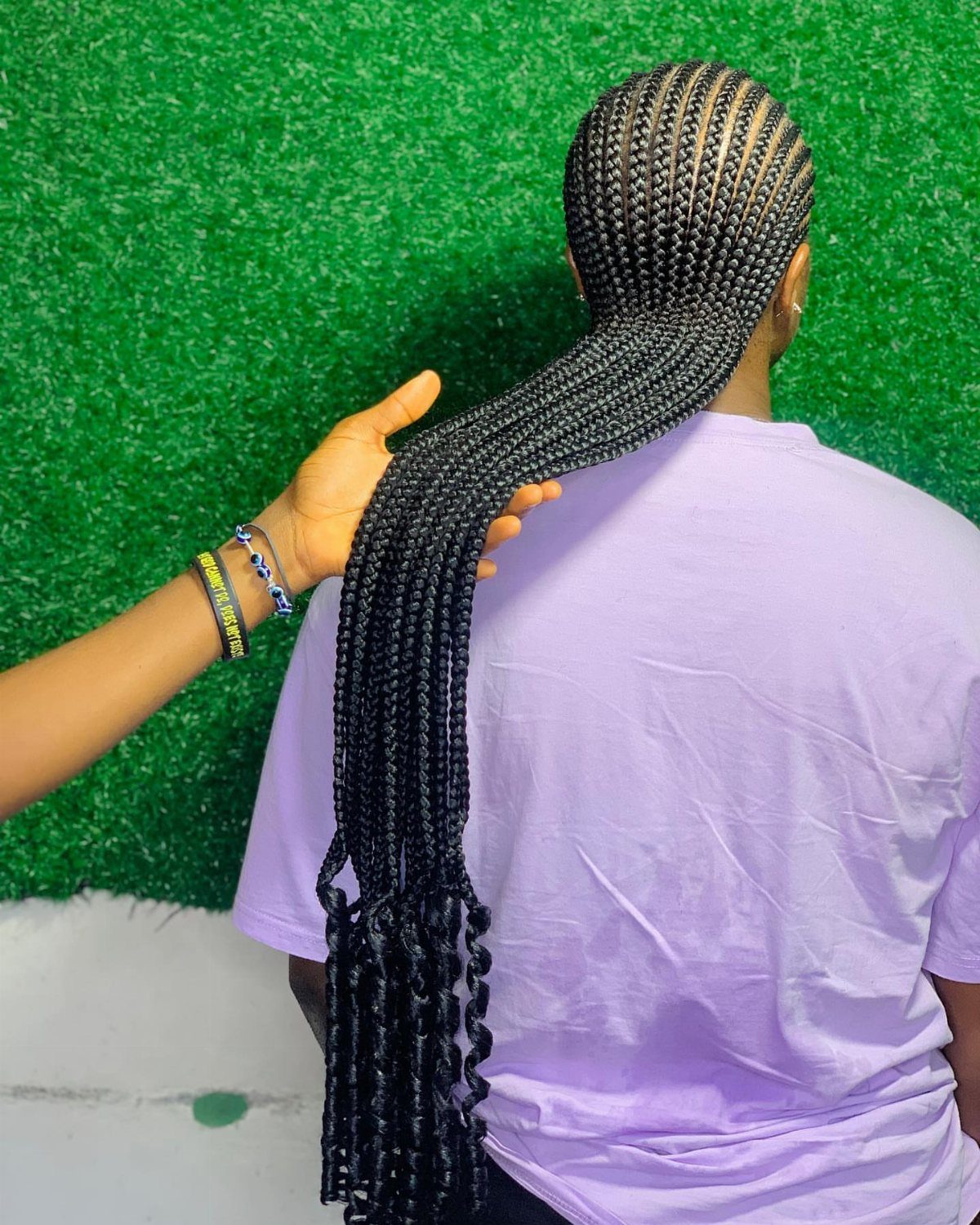
Straight-back cornrows run front to back in parallel lines, and that simplicity is the appeal. Long black braids like these look polished with almost no styling.
Naming the style at the booking stage saves a back-and-forth, so add your preferred tail length in inches at the same time.
I would choose them for a low-effort morning: nothing to arrange, just smooth the edges. Keep the parts even, because crooked lines are the first thing anyone notices on this style.
12. Middle-Part Cornrows with Long Individual Braids
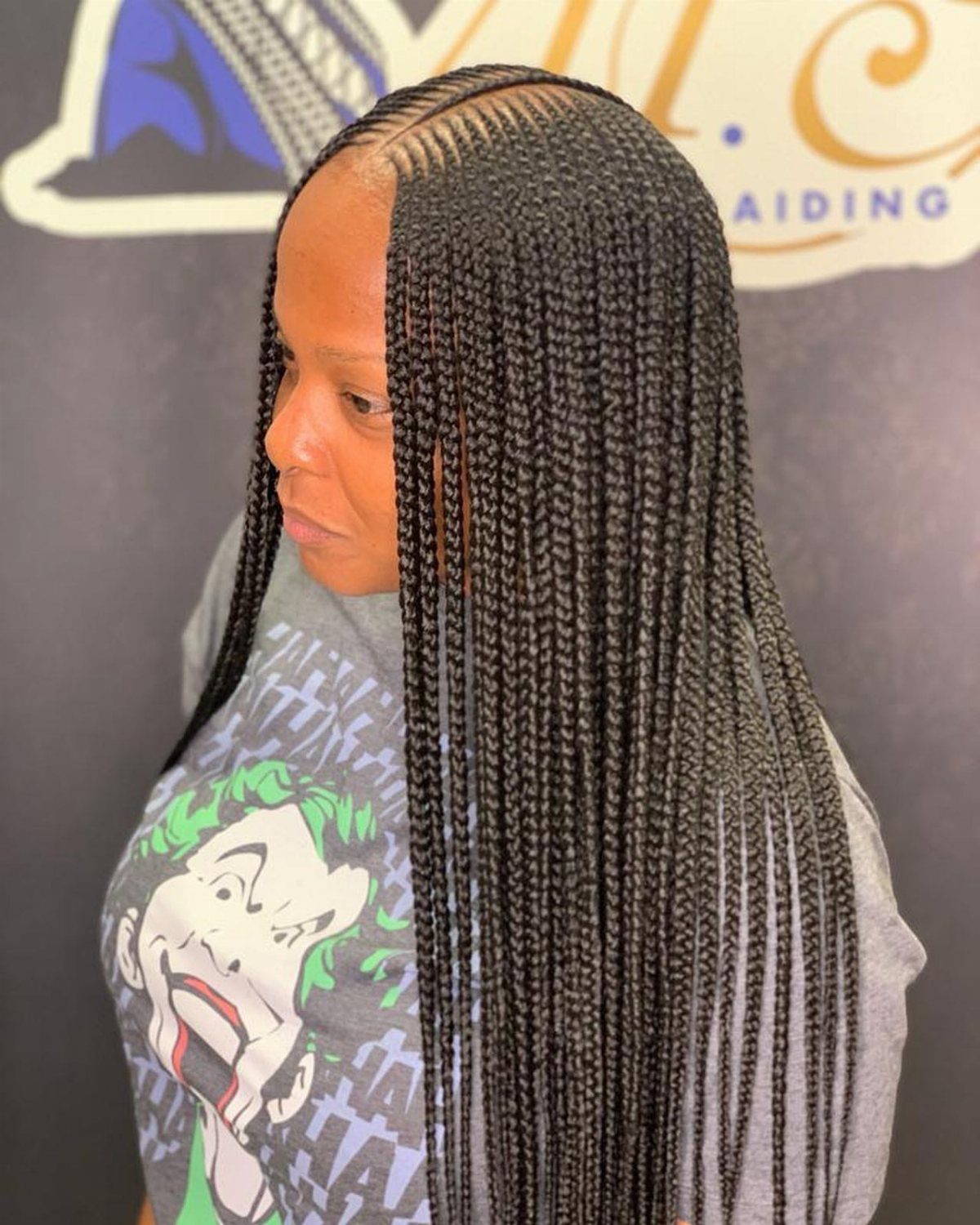
A center part gives this style its balance: cornrows start at the front, then become long individual braids at the back. You get the neat scalp lines of cornrows and the free movement of loose braids.
Tell the stylist exactly where the cornrows should end, since that transition decides the whole look.
I would keep the part crisp and straight. Long braids can be worn down or pulled over a shoulder, which gives you options.
13. Braided Bobs
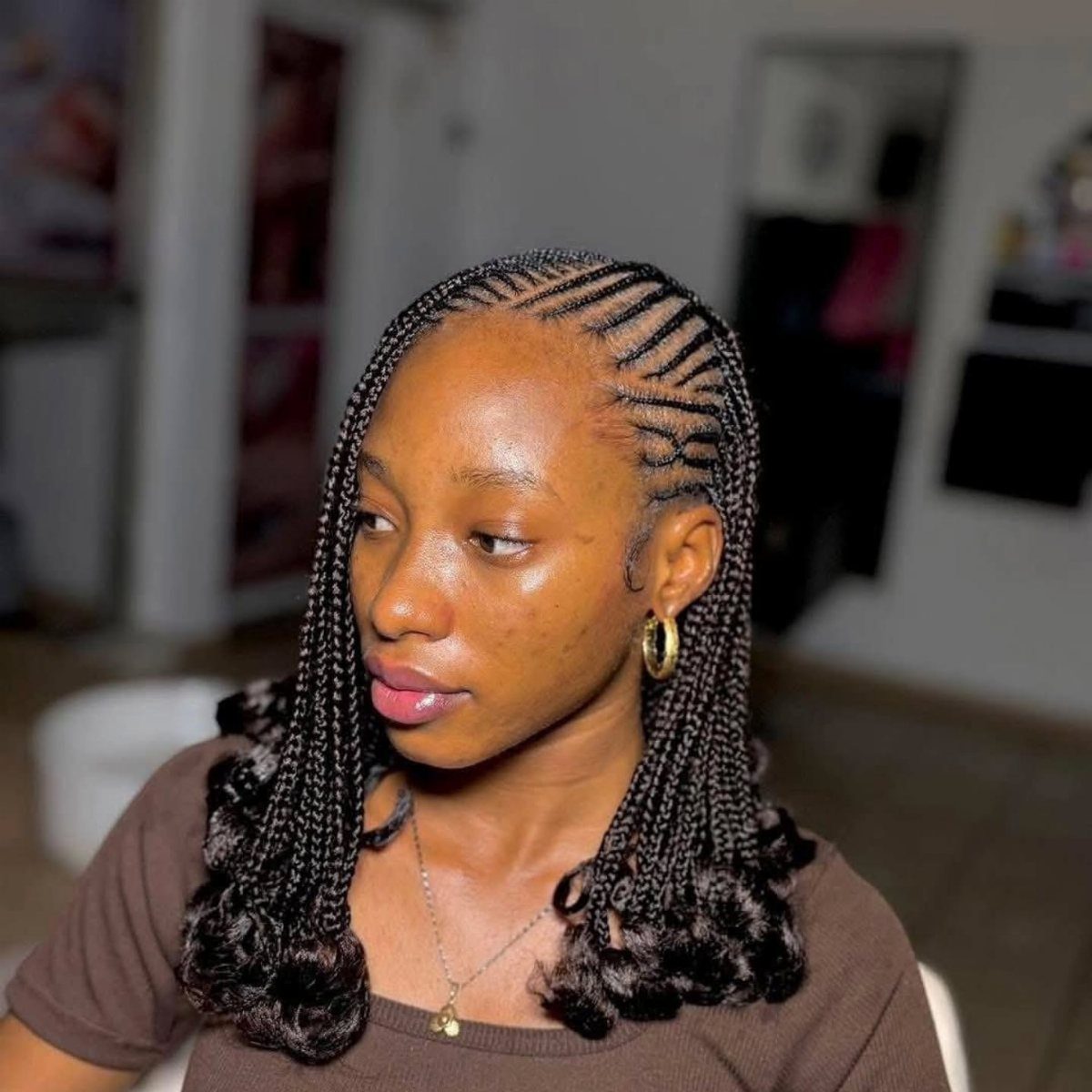
A braided bob keeps the feed-in cornrows at the front and ends the braids around the shoulders, with curled tips that give the cut some bounce.
Ask the stylist for a bob length and bring a photo that shows where the braids should land. I would keep the curled ends, since they make the shape look finished.
14. Half-Up Fulani Braids
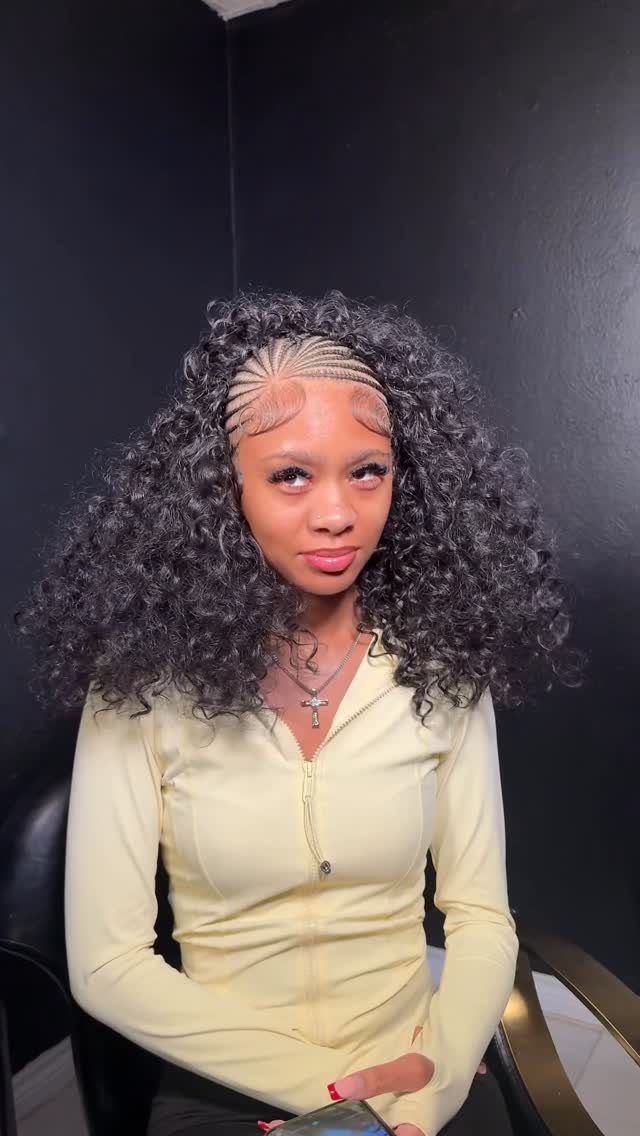
Half-up Fulani braids pair braided lines at the front and top with long, loose curls left down the back. Your natural texture does half the work here, so this works well for braids without covering all your hair.
Ask the stylist to braid only the upper part of your hair, above the crown, and leave the rest out.
I would pick this for the contrast: braids stay neat while the curls add volume. Expect to moisturize and detangle the loose curls each morning.
Benefits of Feed-In Braids
Because there is no thick starting knot at the root, the weight spreads out more evenly and the style tends to feel more comfortable than a standard braid.
That lower pressure at the roots is what helps the hairline. Less pulling means less stress on the edges, and hair that is not being tugged all day has a better chance of growing in healthy.
The braids also keep your natural hair tucked away, so it is shielded from daily friction while you wear them. Cornrow-style lines sit close to the scalp, which gives you straight, continuous rows.
Maintenance Tips
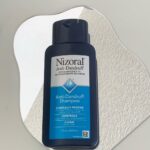
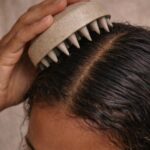
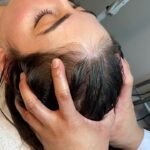
Scalp buildup is the main upkeep problem: dust, sweat and product collect between the parts.
For washing, I dilute a mild shampoo in a bottle of warm water, work it along the scalp between the braided rows with my fingertips, and rinse with a soft washcloth so the braids don’t get soaked and tangled.
Let everything air dry completely, since damp braids are what cause trouble.
Dryness and flakiness are easier to prevent than to fix.
A light oil or moisturizing spray on the scalp every few days keeps the skin from drying out and itching, and it’s worth doing even when the braids still look fresh.
Keep the routine light. A little product goes a long way on the scalp, and a regular clean-and-moisturize habit is what keeps a set looking fresh through the whole season.