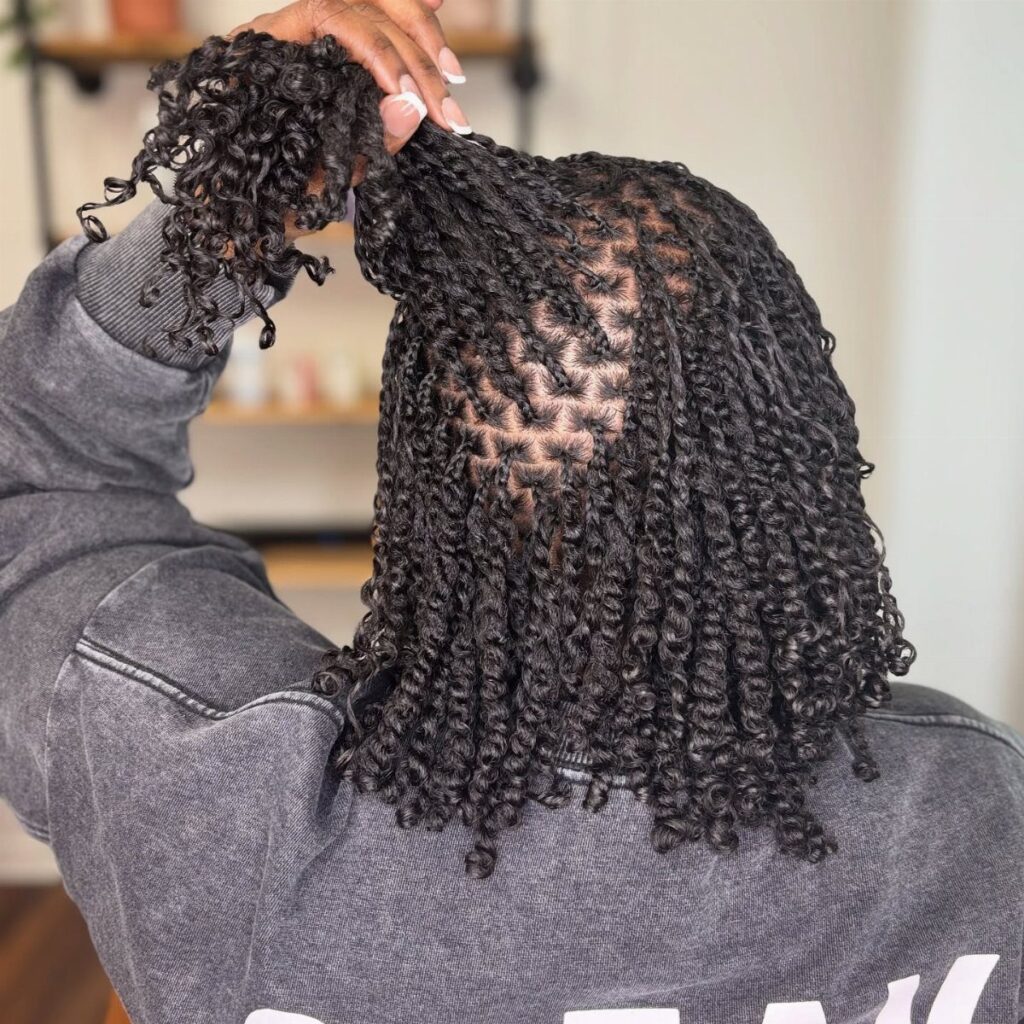
Short natural hair or a full set of extensions decides which of these styles fits you: extensions add length and fullness, while twists made from your own hair cost less, sit lighter on the scalp and shrink as they dry.
The span runs from a 2-minute puff to an install of 2–8+ hours, and section size and length move both the bill and the clock.
1. Mini Twists
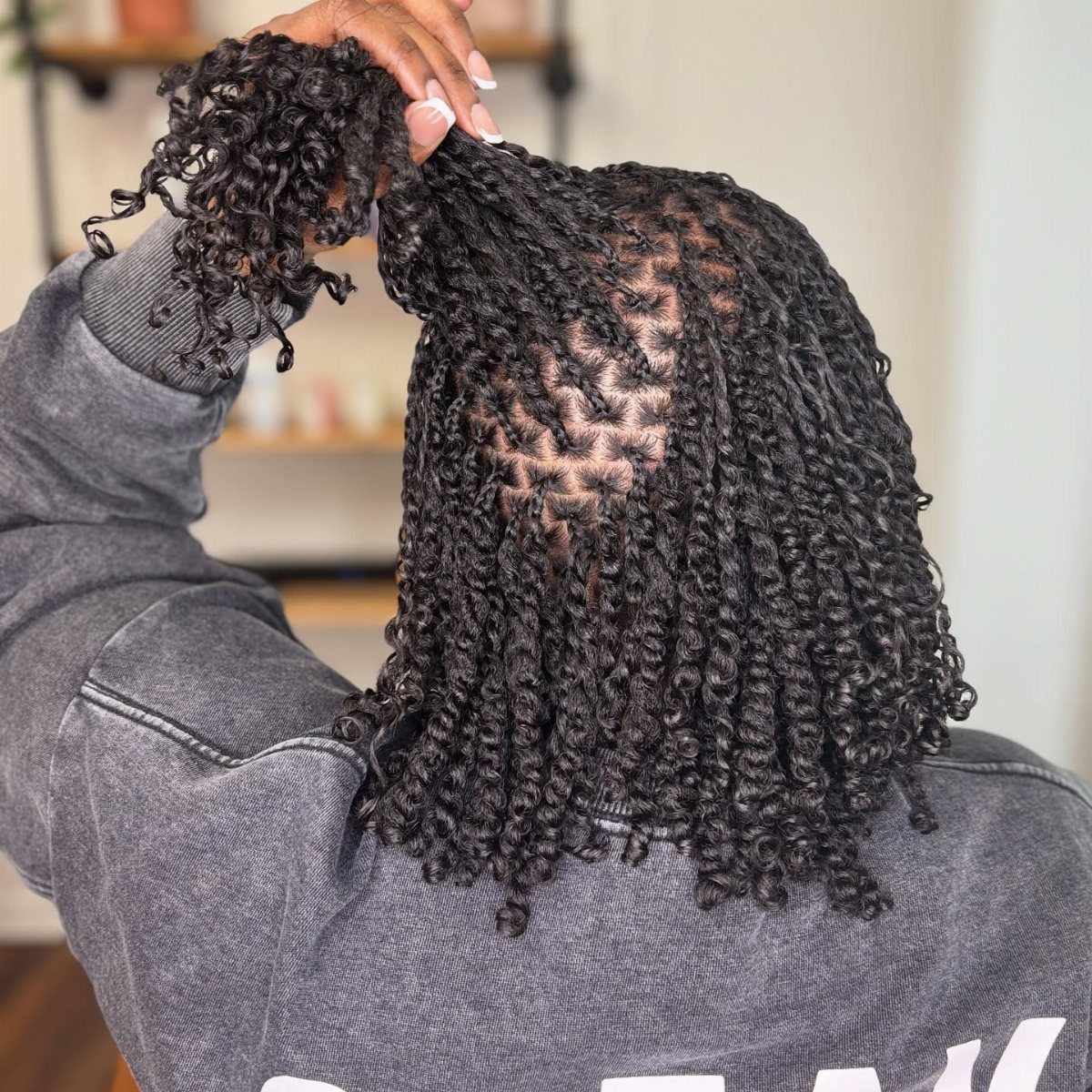
Small two-strand twists on natural hair are the foundation that most mini twist variations grow from. The smaller the section, the longer the set holds its shape, but the longer the install takes.
Tiny parts also mean more twists to separate and wash around, so I plan a full afternoon. Detangle first and keep the hair moisturized, since twisting dry strands is what leads to snapping at the root.
2. Mini Twists High Buns Updos
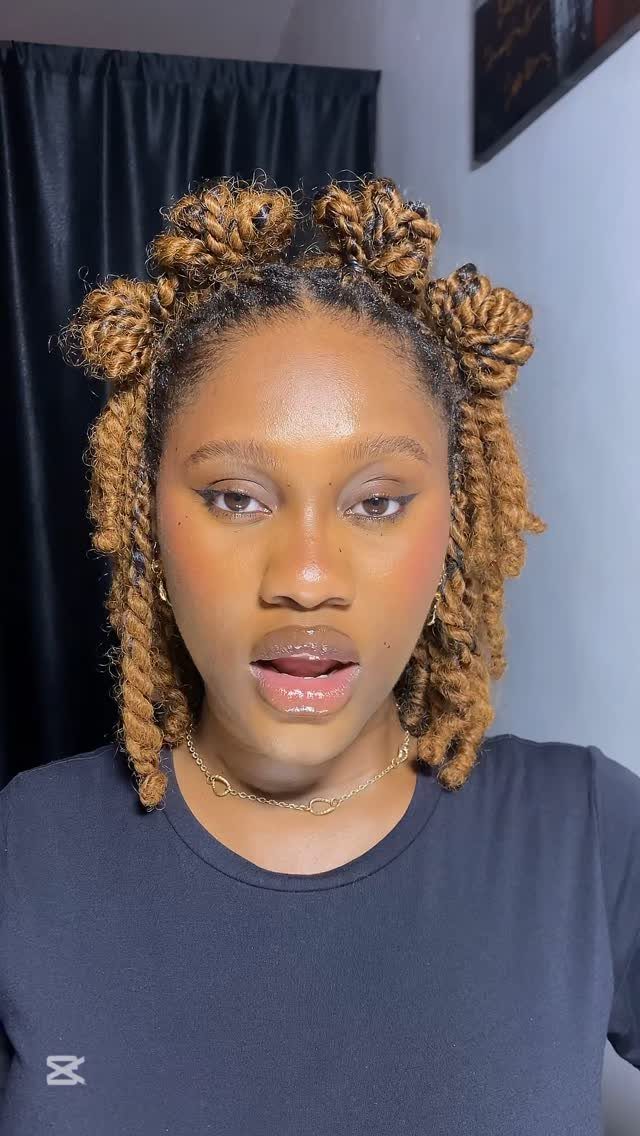
Several high buns made from mini twists give you a look that reads as styled without any heat or product. Because the twists already hold their pattern, a bun is mostly a matter of gathering sections and securing them.
I like splitting the twists into 2 or more sections, then wrapping each one around its own base so the ends tuck in or hang loose.
Soft hair ties are kinder to your edges than tight elastics. Keep the pull gentle at the hairline.
3. Styling Ideas
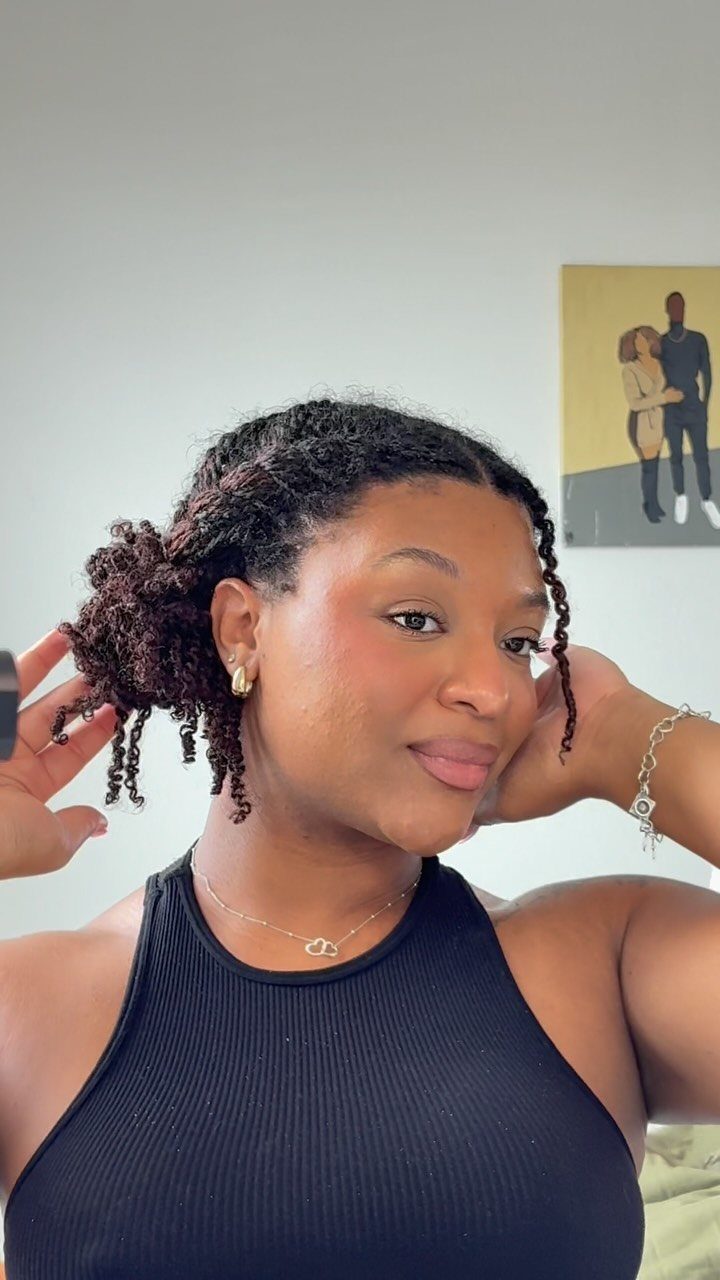
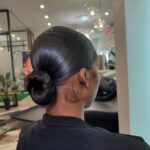
A low bun is my pick for the days you want twists off your neck but still polished. Gather all the twists at the nape, twist them loosely around each other, and pin the coil flat.
It takes about as long as a ponytail and suits a black top and statement earrings.
Switching between a low bun, a high bun and a ponytail also spreads the tension, so the same spots at your roots are not pulled every day.
4. Short Mini Twists High Puffs
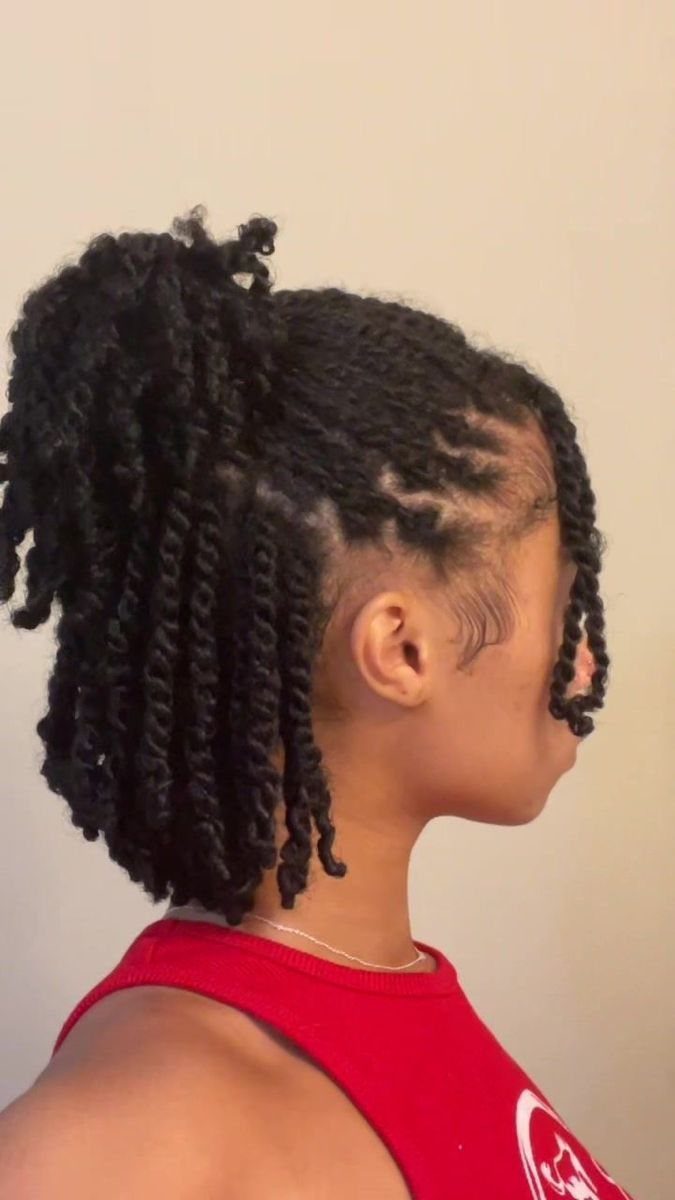
Short twists pulled into a high puff work because the ends fan out instead of falling flat. Use a stretchy band or a soft scrunchie, and gather the twists at the crown with your fingers rather than a brush.
If hair is too short to hold, a wide headband tucked under the puff adds grip without pulling. A puff is also the fastest way I know to wear short twists: about 2 minutes.
5. Mini Twists with Extensions
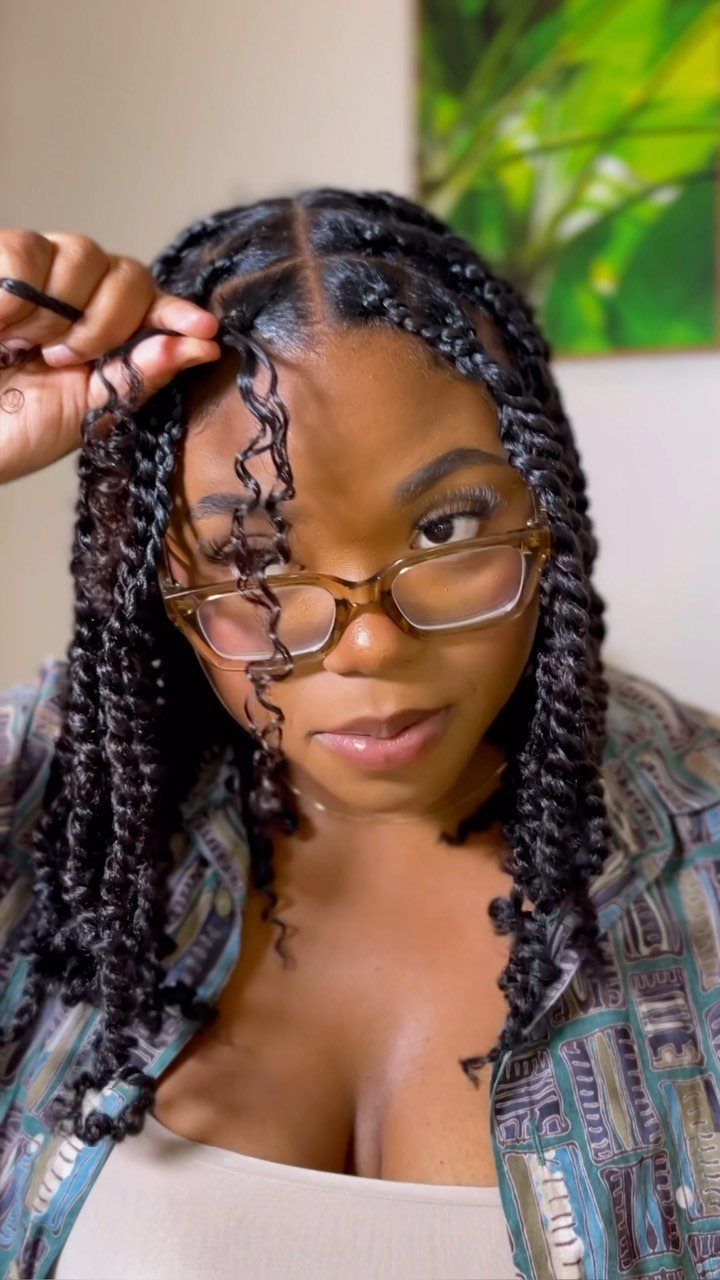
Extensions add length and fullness, so long mini twists are possible even when your hair sits above the shoulder. Pick hair that matches your texture, then blend it into each section as you twist so the base looks natural.
Longer, heavier twists cost more in both time and hair, and the extra weight can strain the roots.
For a lighter feel, I would keep the length moderate. For maximum volume, this is the version I’d pick.
6. No-Extension Mini Twists
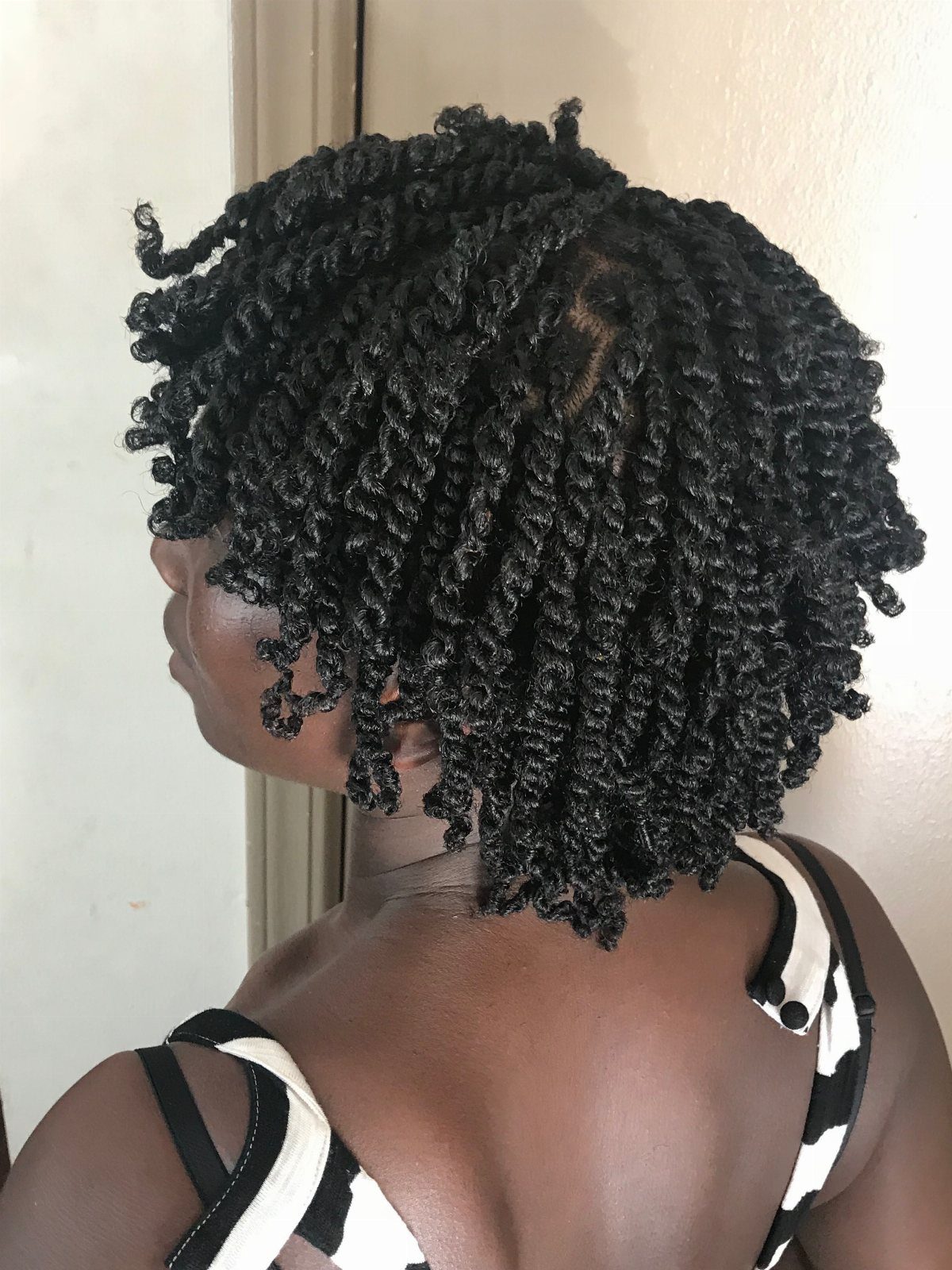
Twists made from only natural hair are the budget route, with no packs of braiding hair to buy. The result sits lighter on the scalp and feels more like your real texture.
They will not give extra length, and they shrink as they dry, so expect a shorter finish than the wet length. Smaller sections hold best, and a light leave-in plus a water-based moisturizer keeps them from frizzing quickly.
7. Mini Twists with Bangs
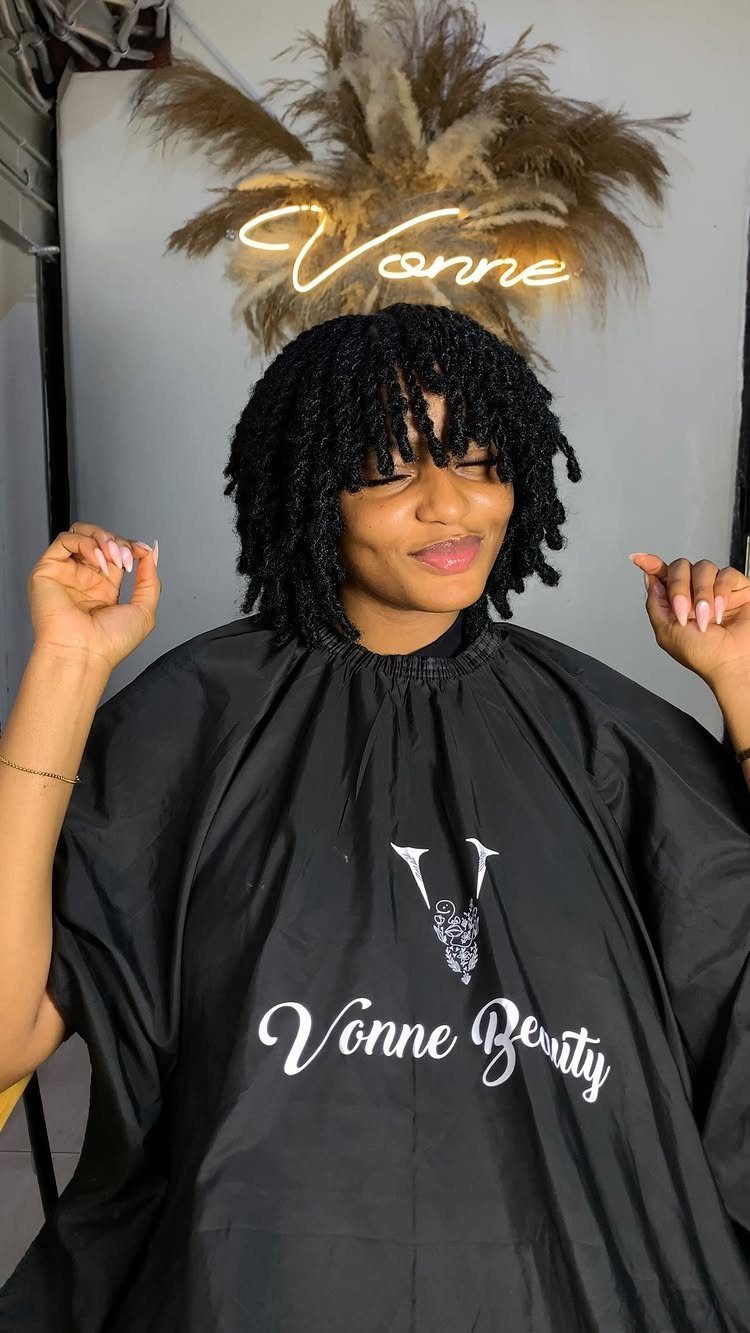
Bangs on short mini twists work because the fringe sits shorter than everything around it, so it frames the forehead instead of hiding it. Short twists already keep their shape, which makes a cropped front section easy to hold.
Ask for the front sections to be twisted a little shorter and lighter, then trim only after the set is done.
Twists shrink as they dry, so cutting wet-length bangs risks going too short. Leave the fringe slightly longer than you want and adjust from there.
8. Half-Up Mini Twists with Clip
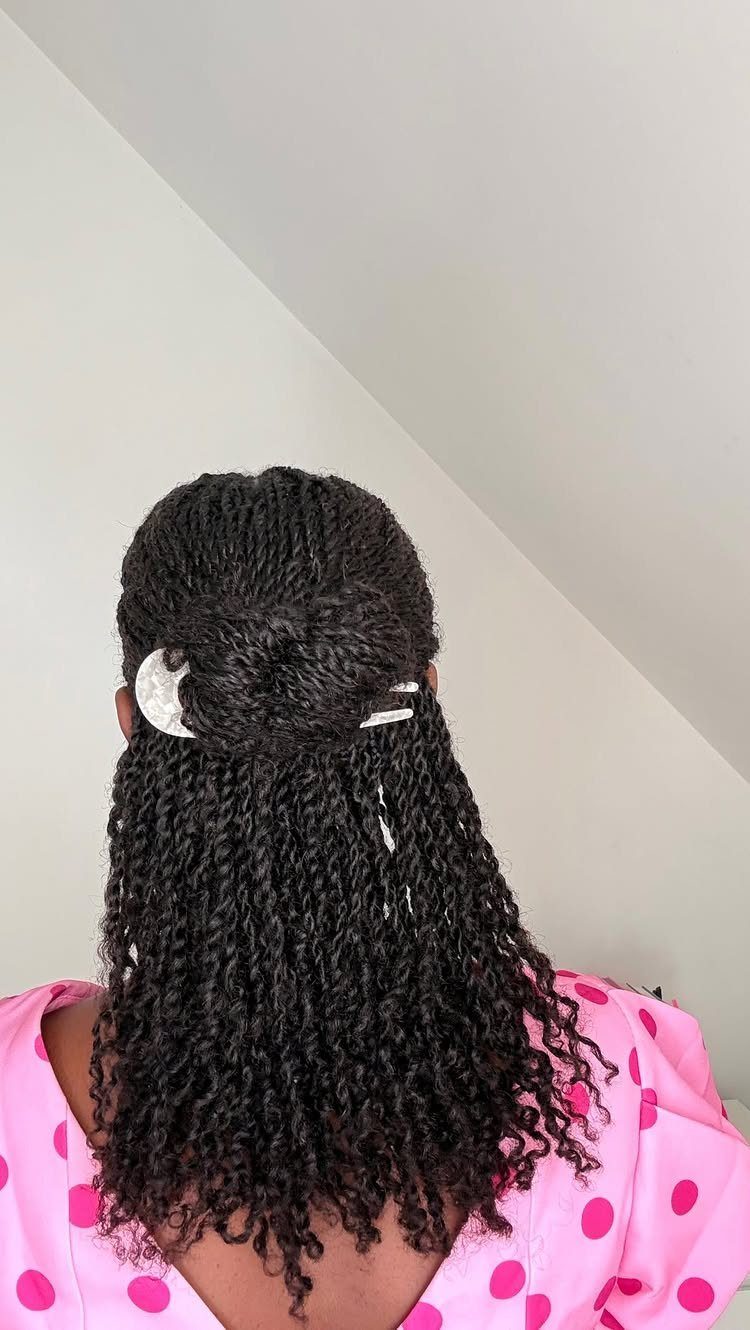
Long mini twists pinned into a half-up mini bun keep the weight off your face while the rest hangs loose. It suits anyone with a full set who wants a quick change without redoing anything.
At the crown, pull up the upper section of twists, give it one wrap around itself, and fasten it in place with a clip.
A claw or snap clip spreads the grip better than a tight elastic, which is gentler on the hairline.
Pin higher for a lifted look, lower for something softer. It takes about a minute, and the clip comes out just as fast.
Benefits of Mini Twists
Mini twists protect length rather than create it. Twists won’t speed up growth, since hormones, nutrition and genetics set that pace; what you gain is length kept, because less combing and no heat means less breakage along the ends.
Hair tucked into twists also holds onto moisture better than loose strands do, which takes the edge off dryness. Ends often look healthier once you’ve worked through a few rounds of protective styling.
All of this depends on low tension and a clean scalp. Twists pulled too tight, or worn for too long without cleansing, can cause traction stress or matting.
For natural hair, I aim for 2–4 weeks of wear. With very good care, some people push a set to 6 weeks, but beyond that the roots tend to mat and the ends pick up single-strand knots.
Types of Twists
Mini twists are one member of a bigger twist family, and knowing the others helps you ask for the right thing.
Senegalese twists, often made with silky synthetic or human hair, give a smoother, rope-like finish.
Marley, Havana, passion and spring twists all use extensions, each with its own texture and bounce. Nubian or kinky twists use textured hair that blends with coily natural hair.
Cost of Mini Twists
Time is the other cost. A full install takes 2–8+ hours depending on length, density, section size and whether you add extensions, so smaller parts raise both the bill and the hours.
Doing them yourself saves the fee but not the time. Begin with hair that is freshly washed, deep conditioned and detangled, and leave it damp rather than dripping.
Use a rat-tail comb to part sections of ¼–½ inch, smooth a pea-sized dab of twisting cream or gel over each one, and keep the tension moderate so nothing hurts.
Frequently Asked Questions
What are the different types of hair twists?
Mini twists are simply two-strand twists made on small sections, so if you can do the base technique, you already know the method.
Flat twists lie against the scalp in neat rows, much like cornrows, except you build them with 2 strands instead of a braid.
Do mini twists help hair growth?
Mini twists won’t make hair grow faster; hormones, nutrition and genetics control that.
Where they help is length retention: with little combing and no heat, the ends break less often. Ends tucked away inside twists also hold onto moisture, so after a few rounds they tend to look healthier.