The styles here run from a pixie cut that needs a professional’s steady hand to microbraids that take hours in the chair, and from space buns you can pin yourself with a mirror to crochet braids and a straight long weave, where the hair itself is a cost you pay up front.
Which one is yours depends on how much time you can give to the install and the morning routine, because the effort sits in a different place for each.
Sizing, parting and curl pattern can only be matched when a stylist can see them, so bring a photo to the chair.
1. Microbraids
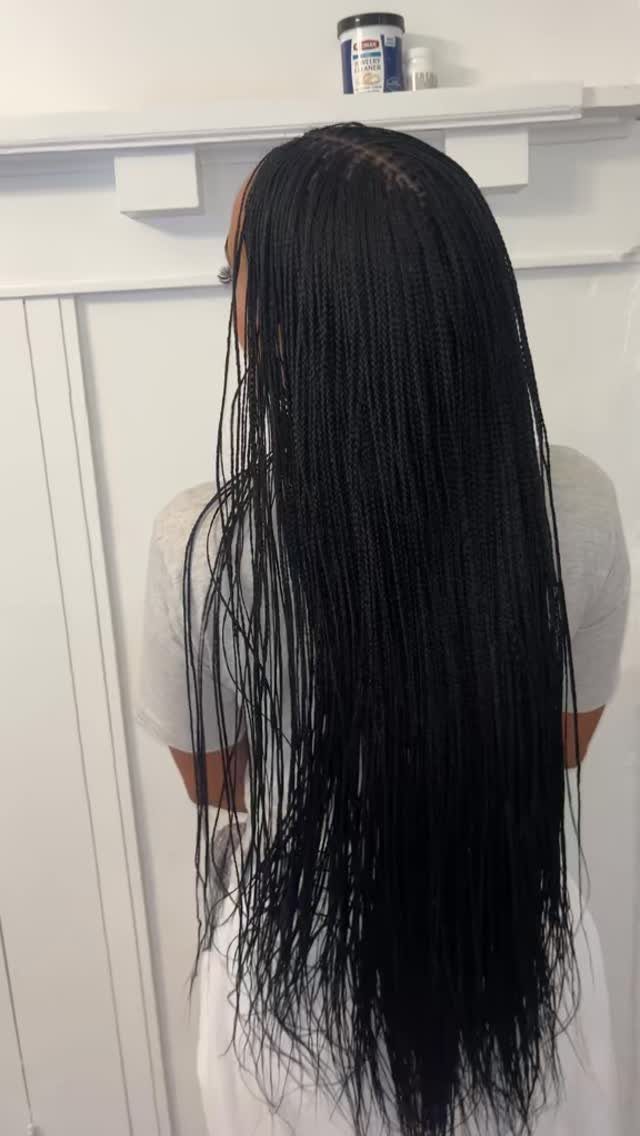
Microbraids are the finest braid size you can ask for, and that smallness is what lets them swing and move like loose hair.
Long ones like these can be worn down, pulled into a ponytail, or twisted into a top knot.
I like them for anyone who wants one install to cover several looks.
Expect a long sitting, since each braid is tiny. Ask your stylist how many hours to block out before you book.
2. Braided Updo
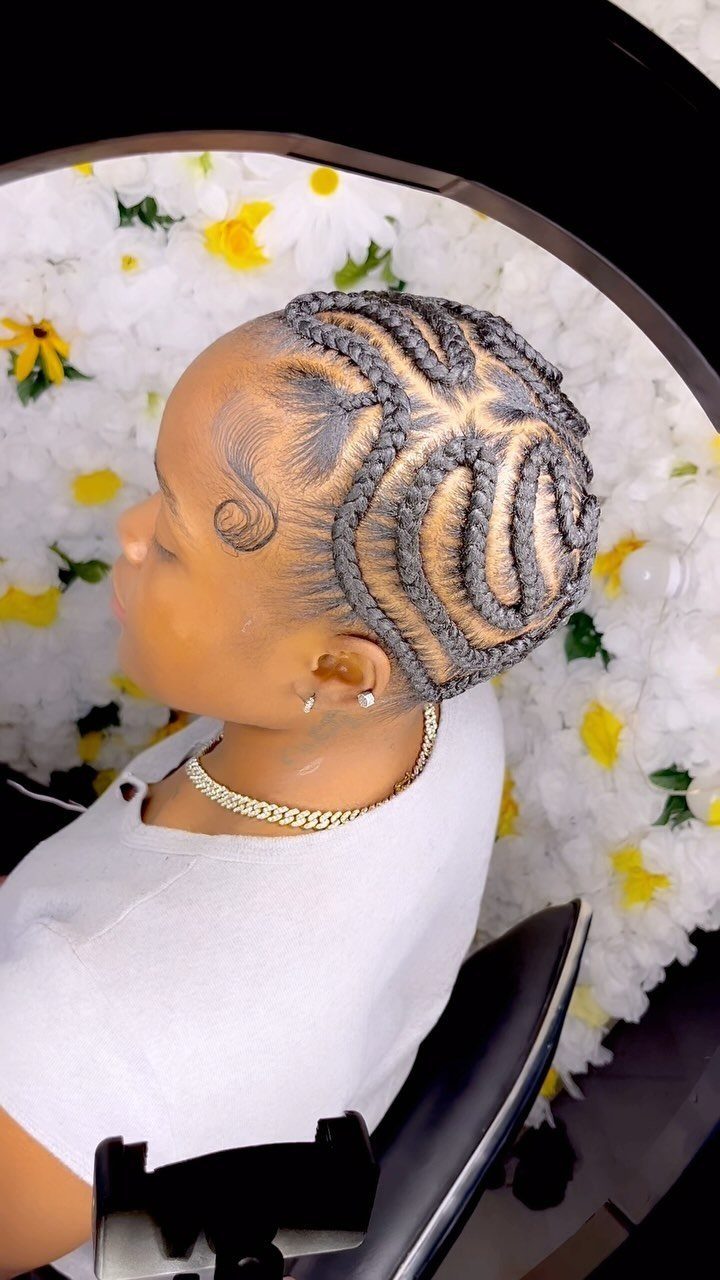
Braided updos work because the braiding does the styling for you. Pinned up high, the style keeps hair off the neck and shows off neat, laid edges, which is why it suits a wedding, a dinner or a long workday.
I would choose this over a loose style when you want polish without heat.
Bring a photo to your stylist and ask for the same placement of the braids, since the shape of the updo matters as much as the braids.
3. Box Braids
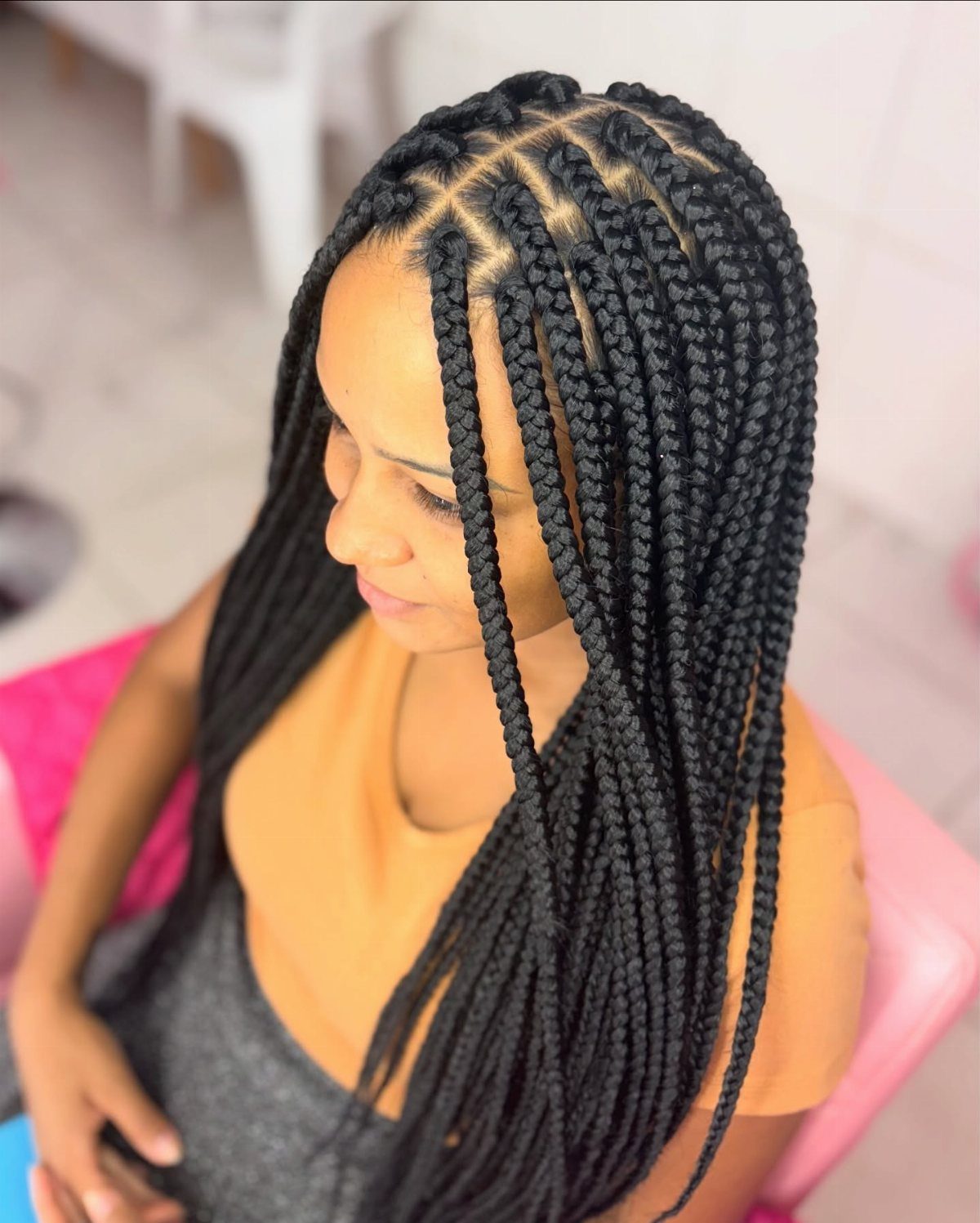
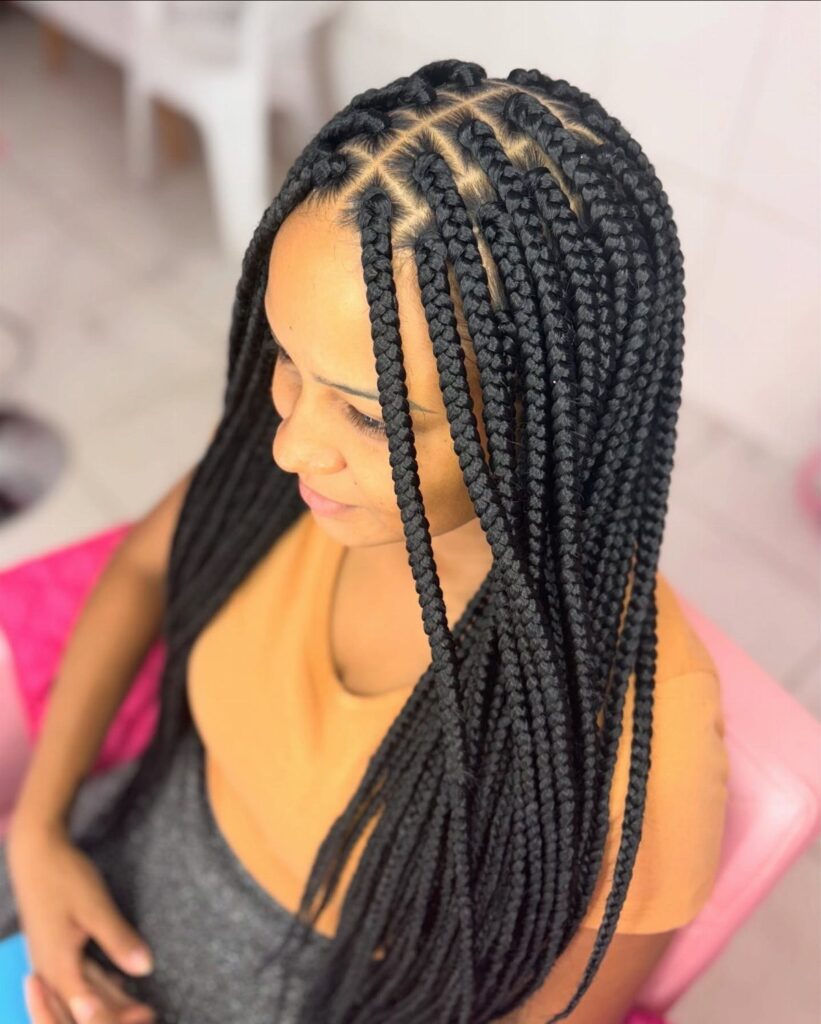
Square parts on the scalp are what define box braids, and clean partings are the detail worth paying for. A stylist who keeps the squares even gives you a style that sits well and can be worn in several ways.
Long braids like these are a classic protective style, and they stay popular for good reason. Ask for the length and thickness you want by name, and show a photo so the sizing matches.
4. Cornrows
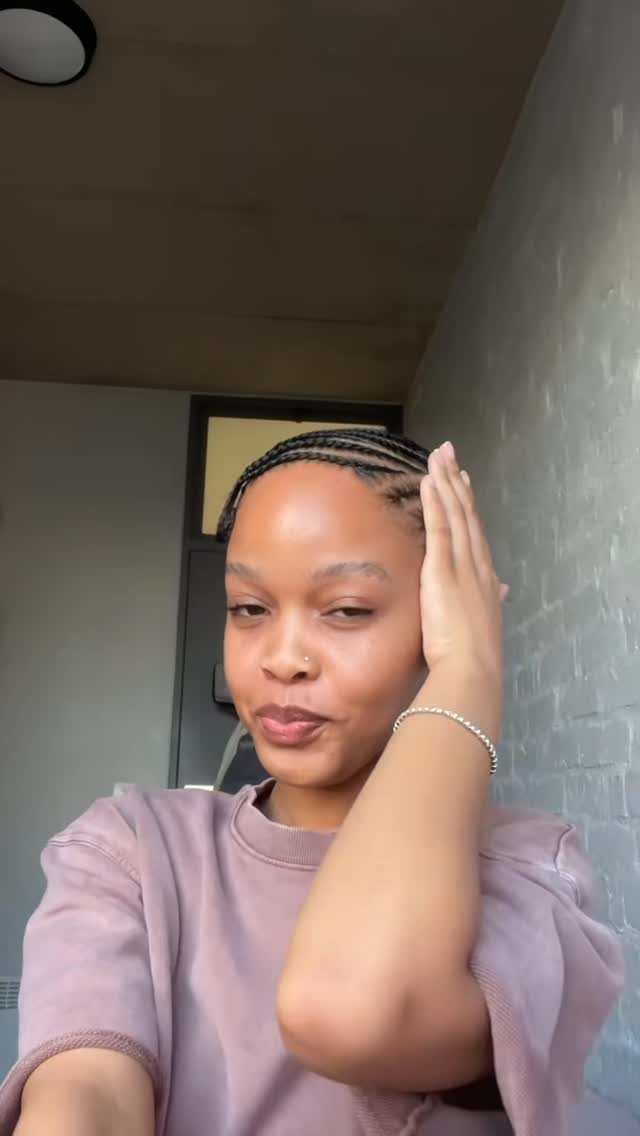
Cornrows lie flat against the scalp, which gives them a sleek, finished look from the first day. Because the braids sit close, the pattern is the whole style: straight back, curved or zigzag.
I would pick cornrows when I want a style that needs little morning effort. Bring a photo of the exact pattern you like, since a stylist can only match what they can see.
5. Faux Locs
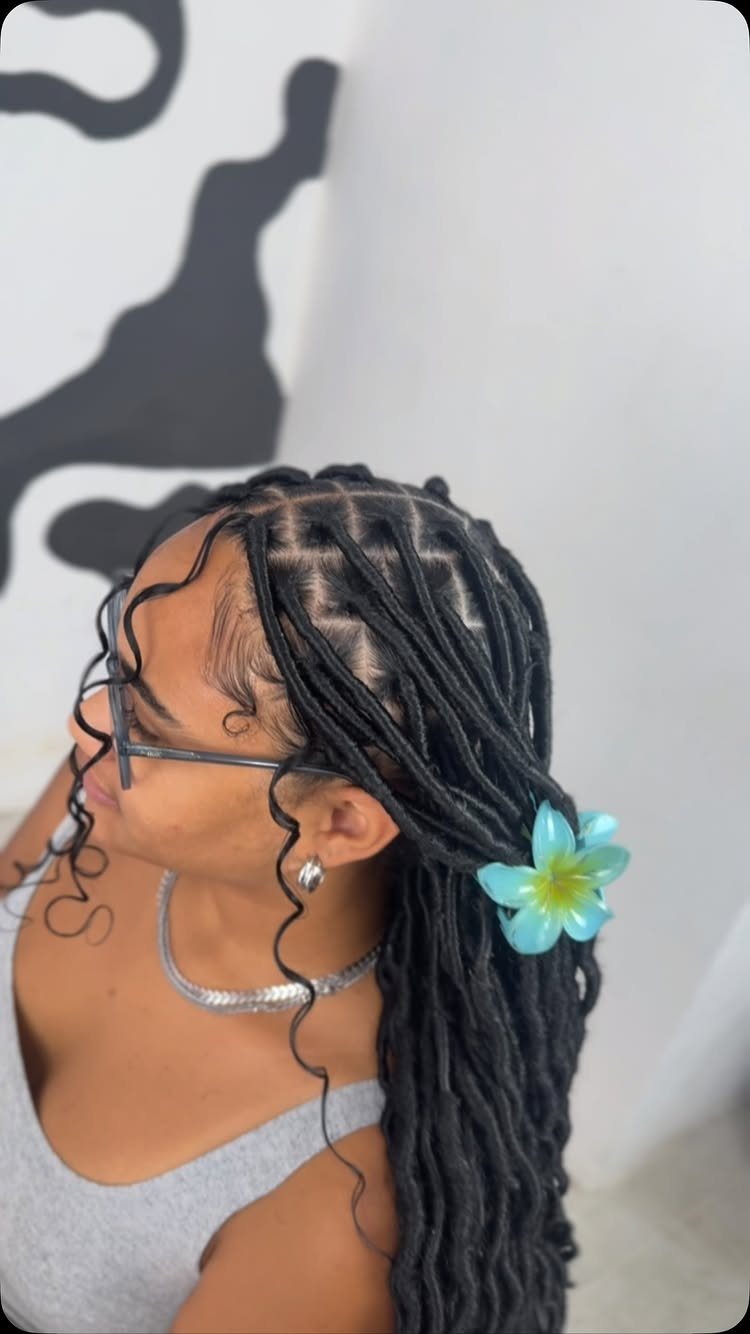
Faux locs give you the look of dreadlocks without a permanent commitment, built with braiding techniques instead. Long, black locs like these hang with weight and read as dramatic.
They also take accessories well, so one flower or a few beads changes the mood in seconds.
I would add a single accent rather than several, so the locs stay the focus. Ask your stylist about length before booking.
6. Curly Mohawk
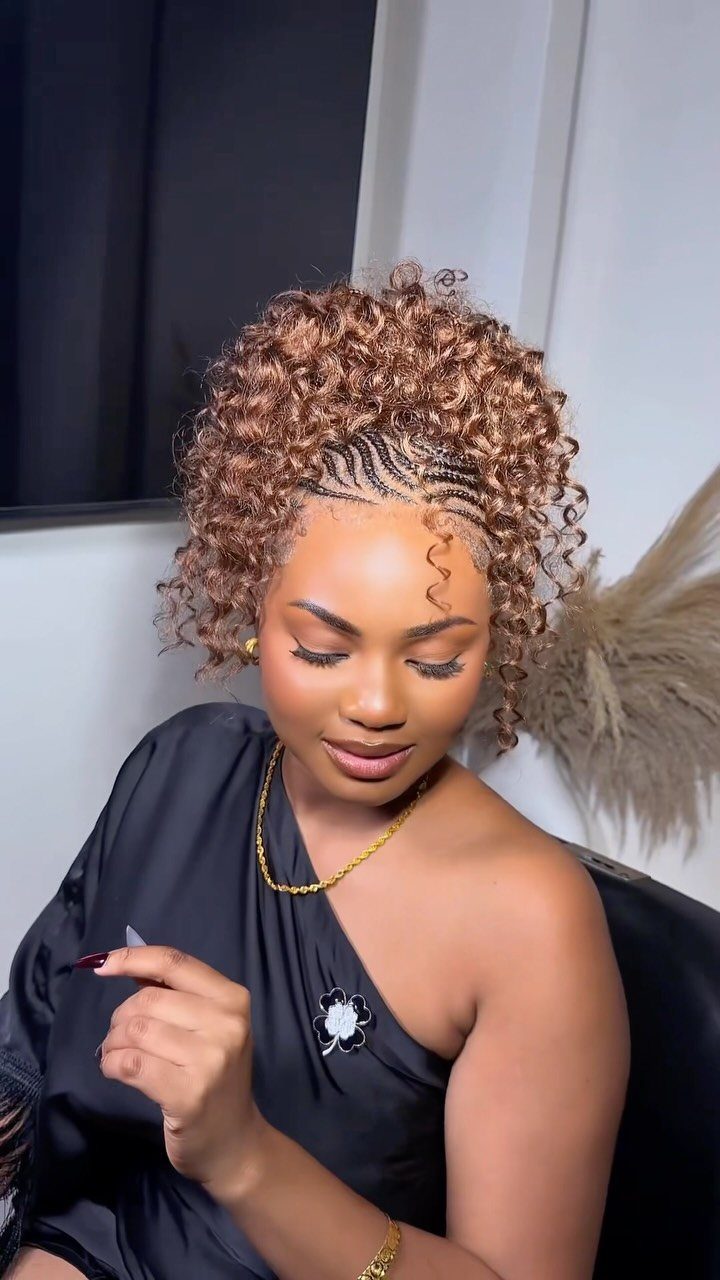
A curly mohawk puts volume down the center and flat twists along the sides, so the curls get all the attention. That contrast is what makes it bold.
I like it for anyone who wants a statement look that still feels easy to wear.
Show your stylist the twist direction you want, because the sides frame the curls. A one-shoulder top and gold jewelry suit it well.
7. Bantu Knots
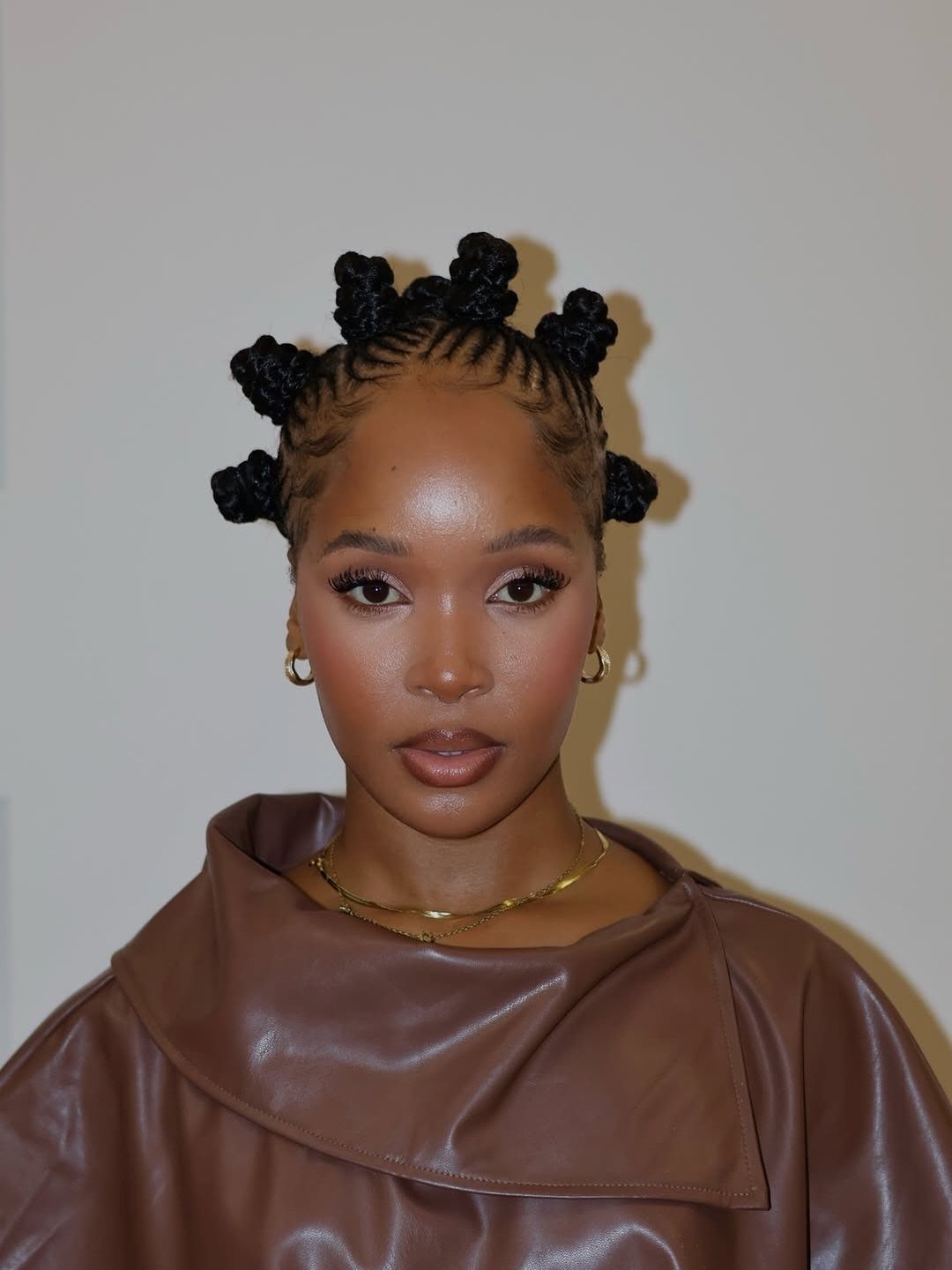
Bantu knots coil each section of hair into a small, tight knot that sits on the scalp, so the whole style reads as rows of rounded shapes.
It is a protective style with deep cultural roots, and the neat parting between knots is what makes it look finished.
I would ask for even section sizes, since that sets the rhythm of the pattern. Bring a photo so your stylist can match the knot size you like.
8. Afro Puff
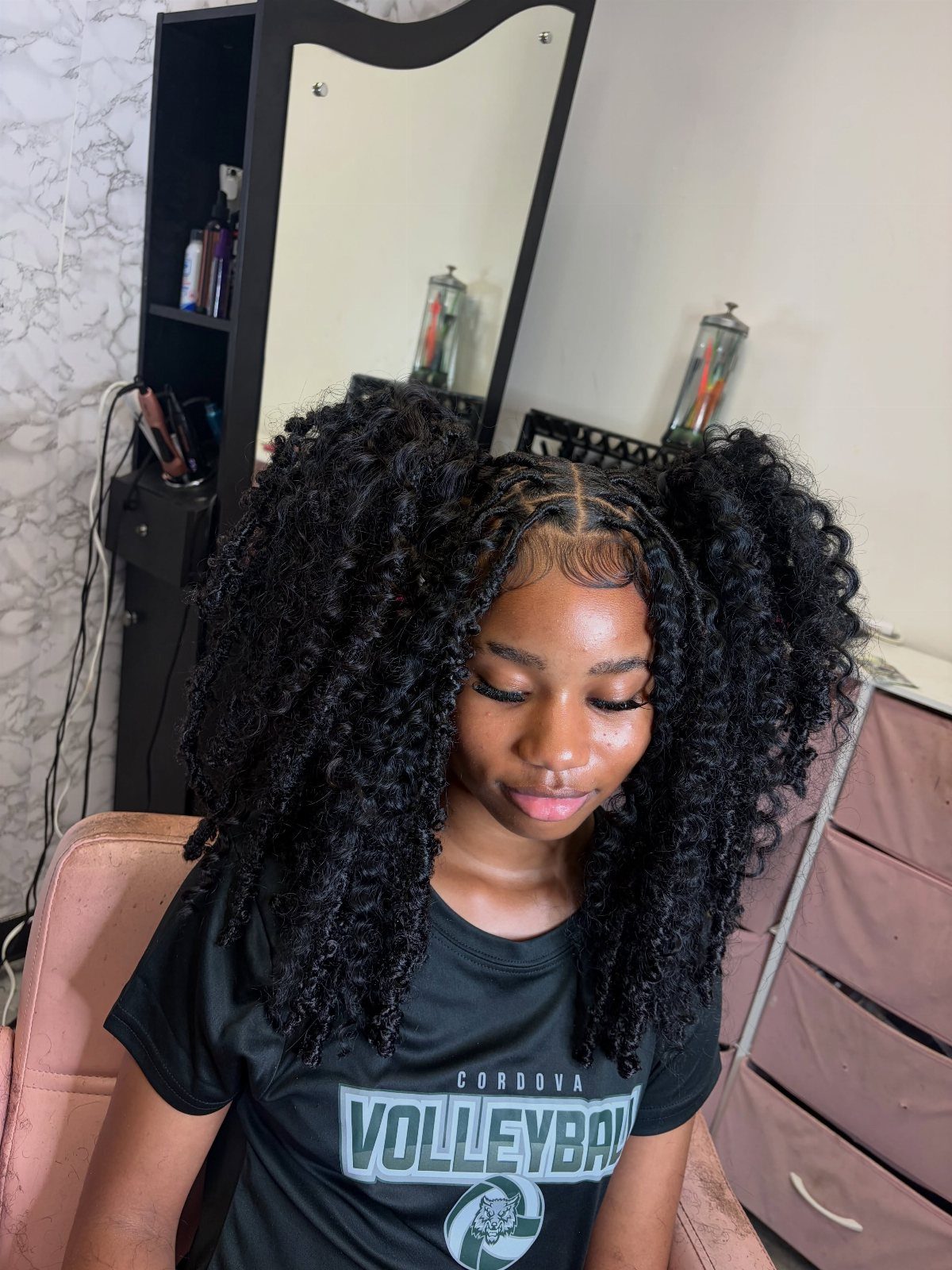
Two high afro puffs gather natural curls into soft, round shapes, and the volume does the styling. Sitting at the crown, they keep hair off the neck and look the same on a rushed morning as on a planned one.
I like the double version for its balance. Ask for the puffs to sit at an even height on each side, or place them yourself with a mirror and a soft tie.
9. Sleek Low Bun
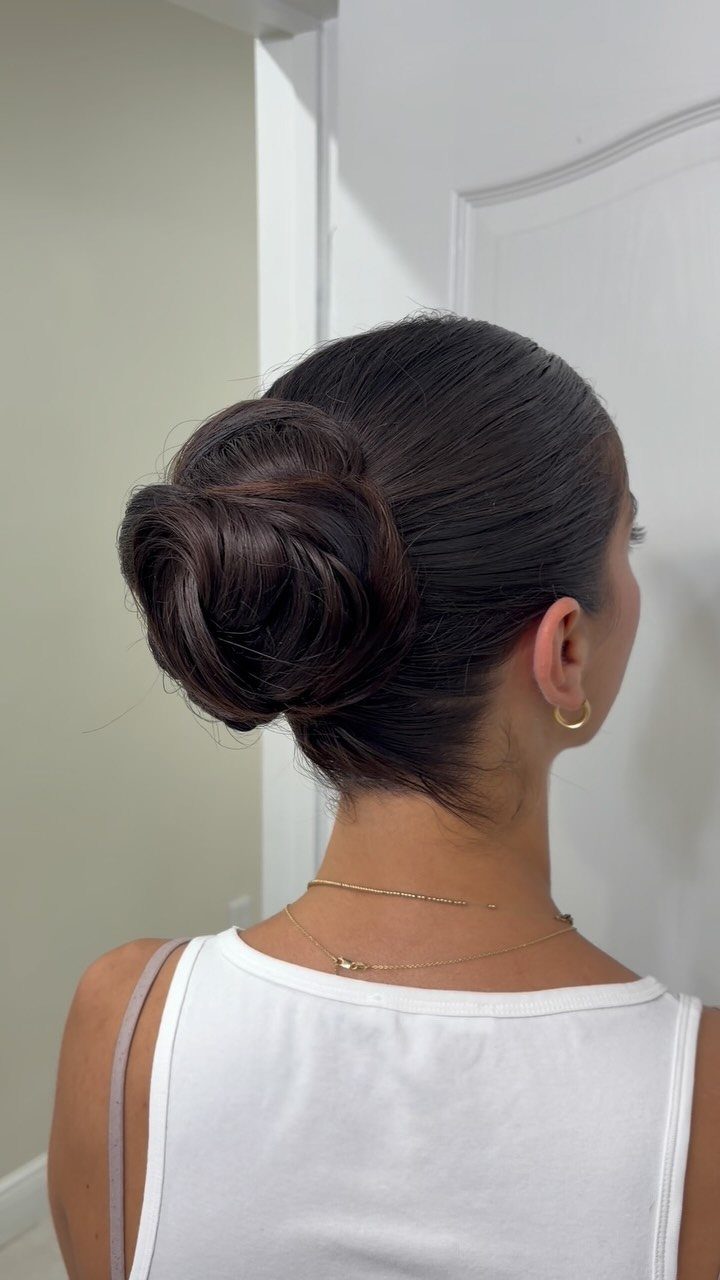
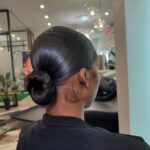
A sleek low bun pulls hair smooth from the hairline to the nape, and that clean, glassy finish is what makes it work. Worn low, it suits a dinner, an interview or a plain tank top with gold jewelry.
Keep the part clean and the nape tidy, and tell your stylist the bun should sit low, not at the crown.
10. Afro Bob
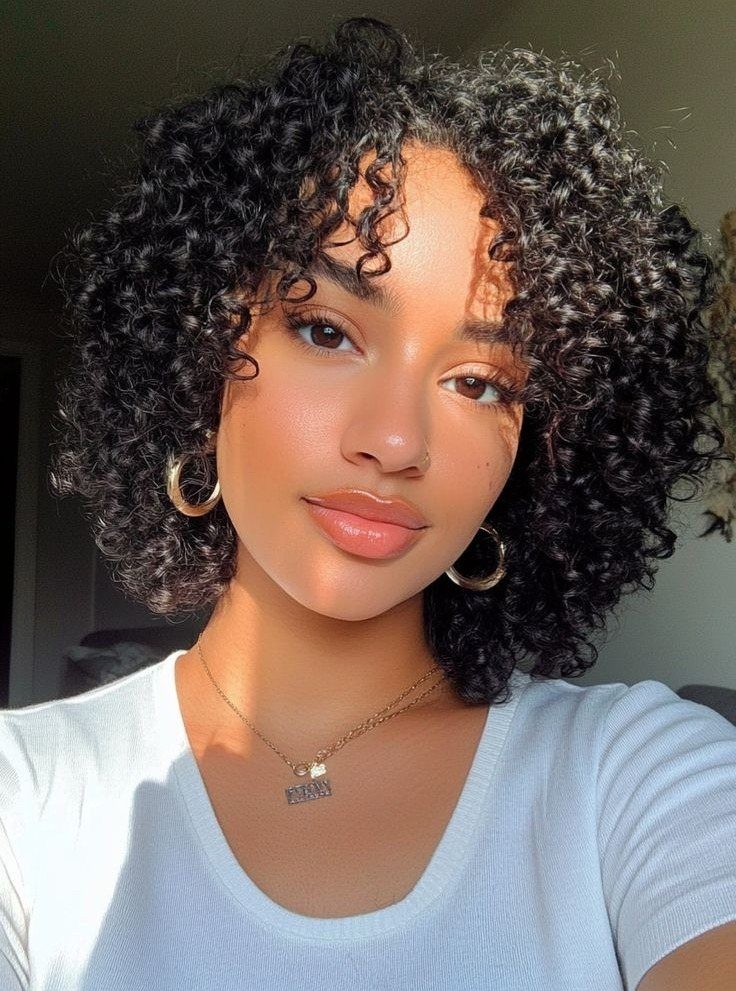
An Afro bob trims curls into a rounded, structured shape that stops near the jaw, so the volume has an edge instead of spreading everywhere. It gives the classic Afro a more defined outline.
I would choose it for natural curls without much length to manage. Show your stylist the exact jaw-level shape in a photo, and ask them to cut with the curl pattern in mind.
11. Short Twists
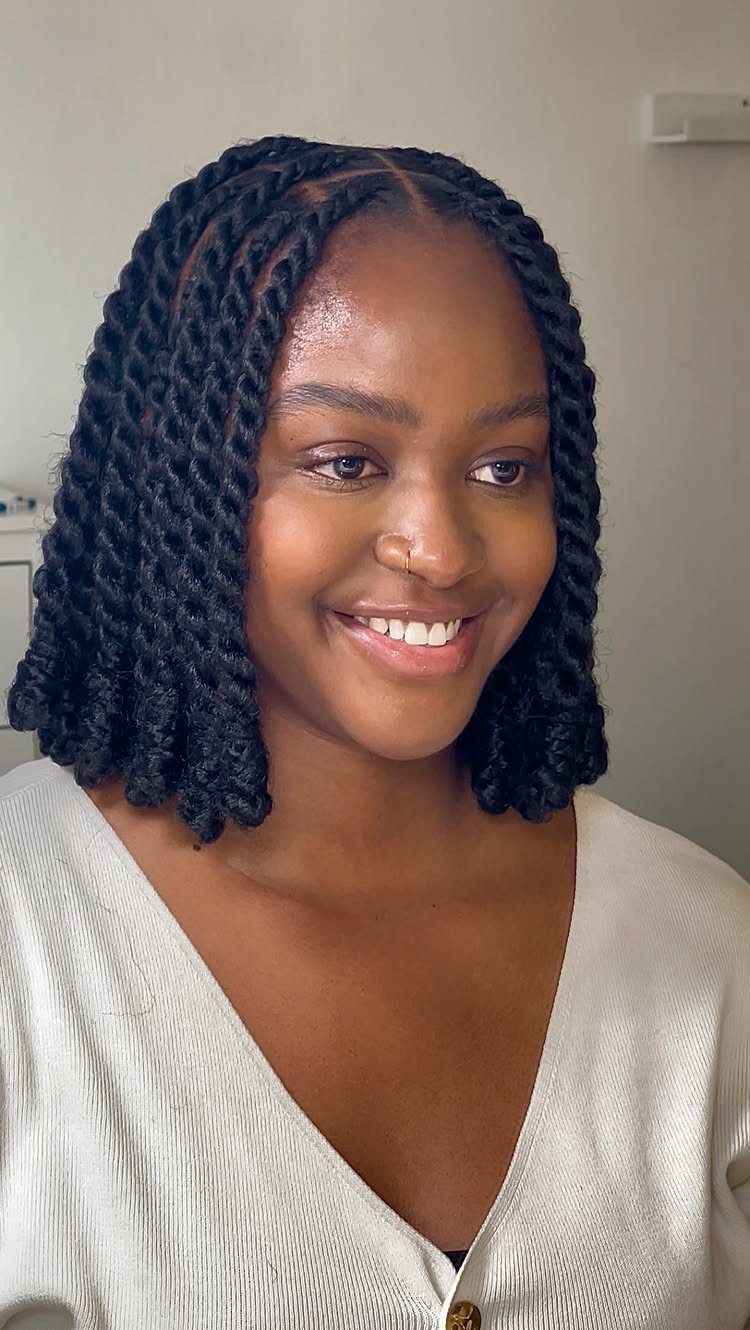
Twists cut to shoulder length, kept thick and well defined, protect the ends and weigh far less than long braids do. Each twist stays separate, so the texture shows clearly and the look stays neat.
12. Pixie Cut
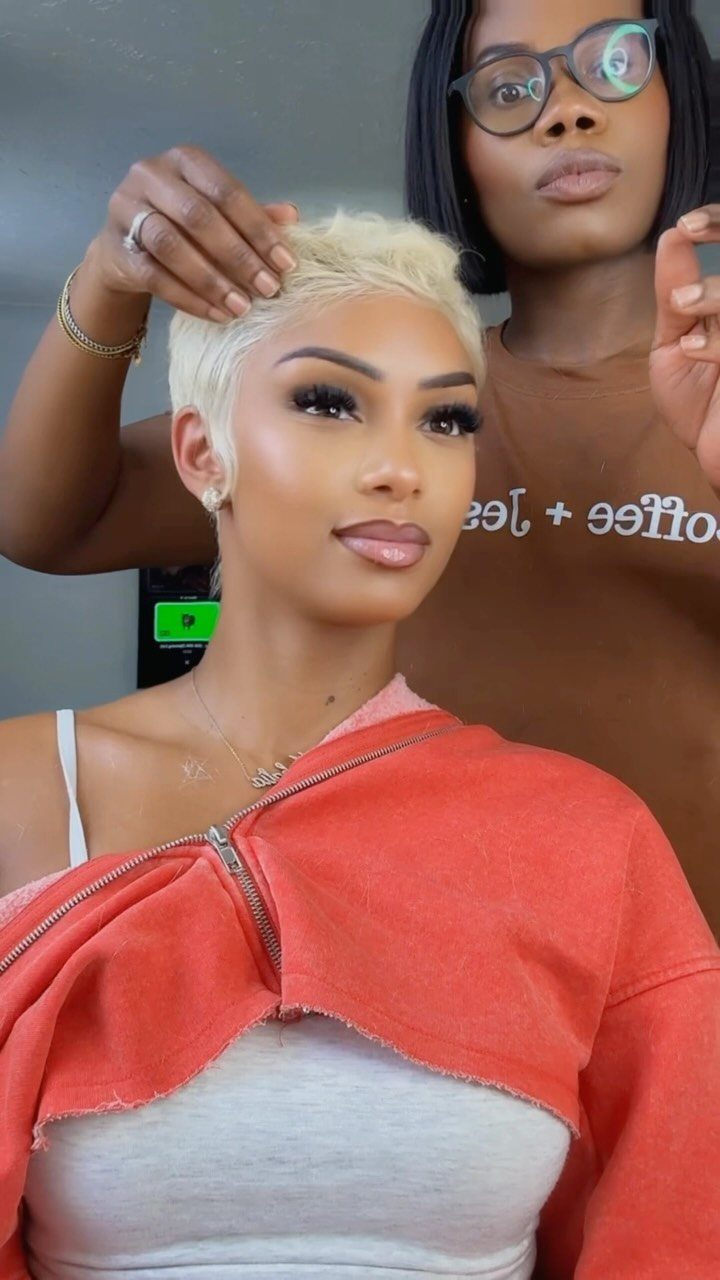
A bleached blonde pixie keeps hair cropped close, so the color becomes the main feature. Short length shows off the face, and a little makeup completes it.
I would book this with a professional, since both the cut and the bleach need a steady hand. Bring a photo of the shade and the length at the top, and ask how often you should return for shaping.
13. Butterfly Locs
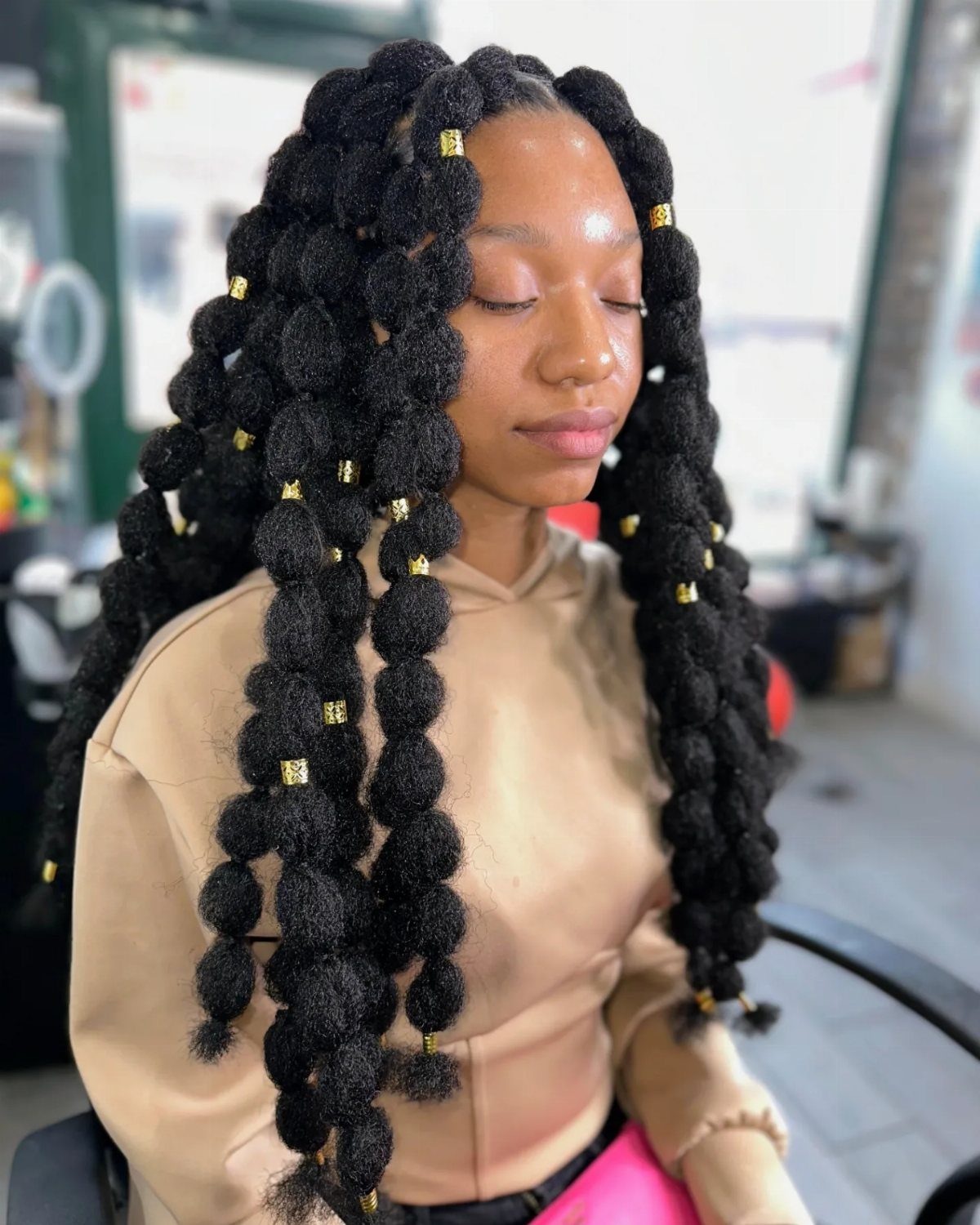
Butterfly locs get their soft, bohemian look from loops and loose, wispy bends along each loc, so they read as relaxed instead of sleek. Long ones like these move easily and pair well with gold cuffs.
I would pick them over classic faux locs when I want a looser, less polished finish.
14. Crochet Braids
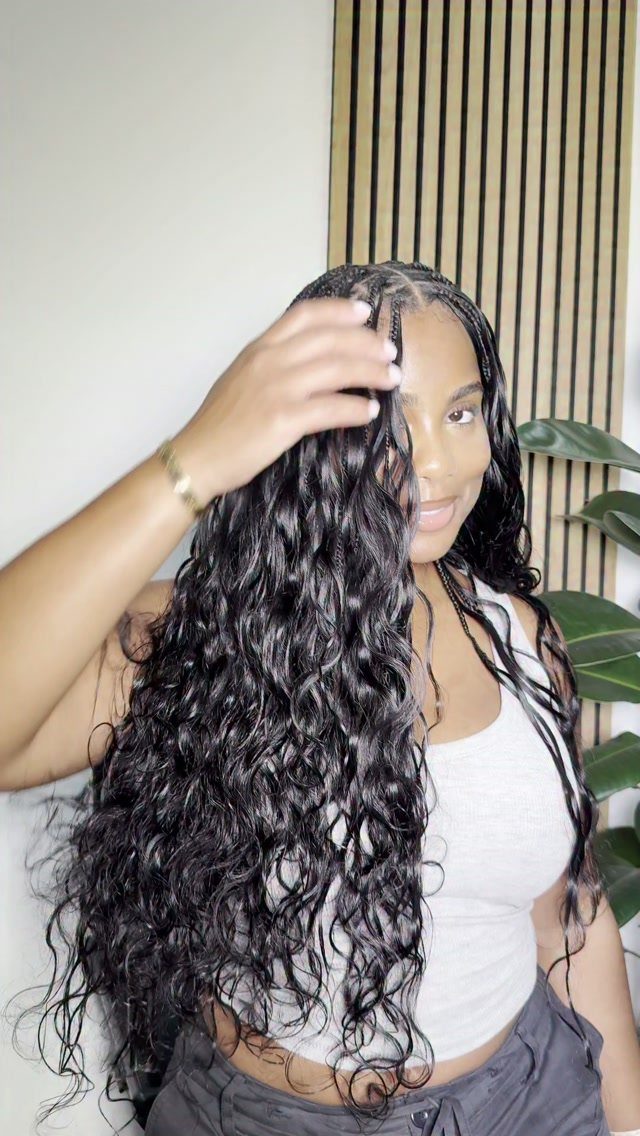
Crochet braids start with cornrows laid flat against the scalp, and the curly hair is then looped onto them, so the style needs little morning effort. Long, defined curls like these give volume without heat.
I like them for the range, since a loose wave and a tight coil read as 2 different styles, so pick the curl pattern with care.
Bring a photo showing the curl size and length you want, and ask your stylist how the braid pattern underneath will be laid out.
15. Bubble Braid Ponytail
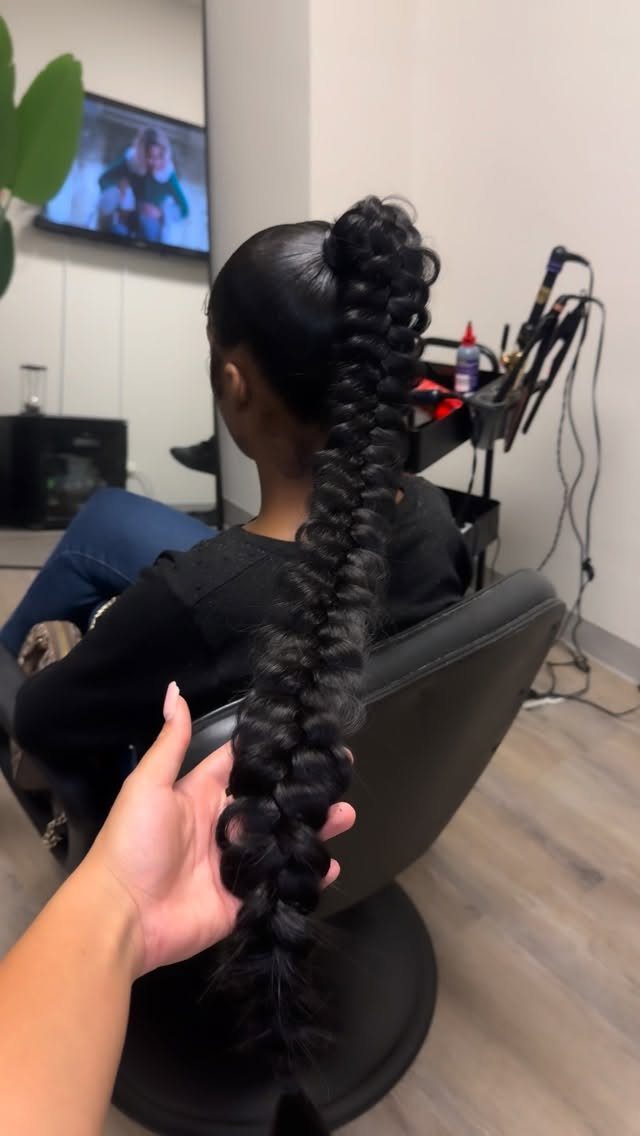
Bubble braid ponytails take an ordinary high ponytail and gather it into rounded sections with elastics, so the length looks playful instead of plain. On long, black hair the puffed shape reads clearly from a distance.
I would choose this when a regular ponytail feels too ordinary. Ask your stylist for the number of sections you like, and keep the elastics matched to your hair color so the bubbles stay the focus.
16. Long Hair with Deep Side Part
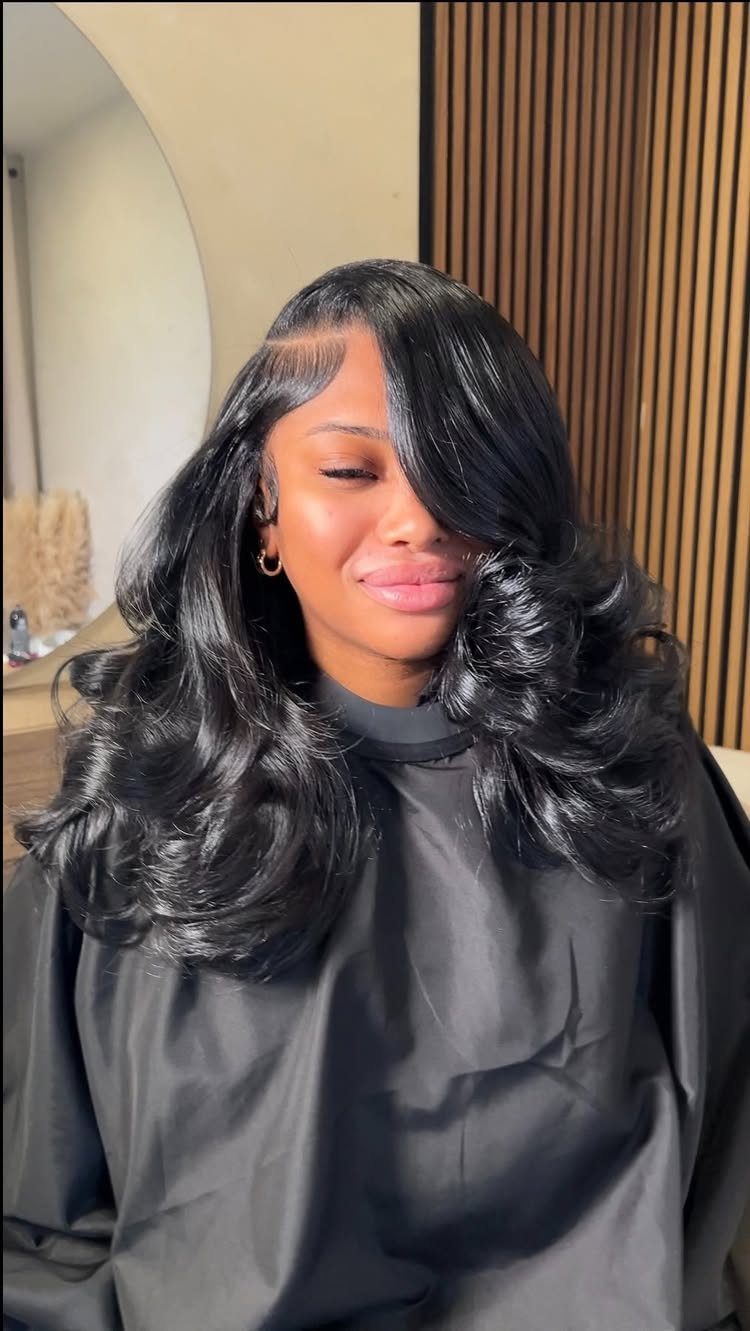
A deep side part throws all the volume to one side, and long, shiny curls fill that space with bounce. It looks glamorous, which is why I would save it for a party, a birthday or a photo shoot.
Shine is half of the effect, so ask your stylist to finish the curls with a glossing product. Bring a photo showing which side the part falls on and how far the curls reach.
17. Straight Long Weave
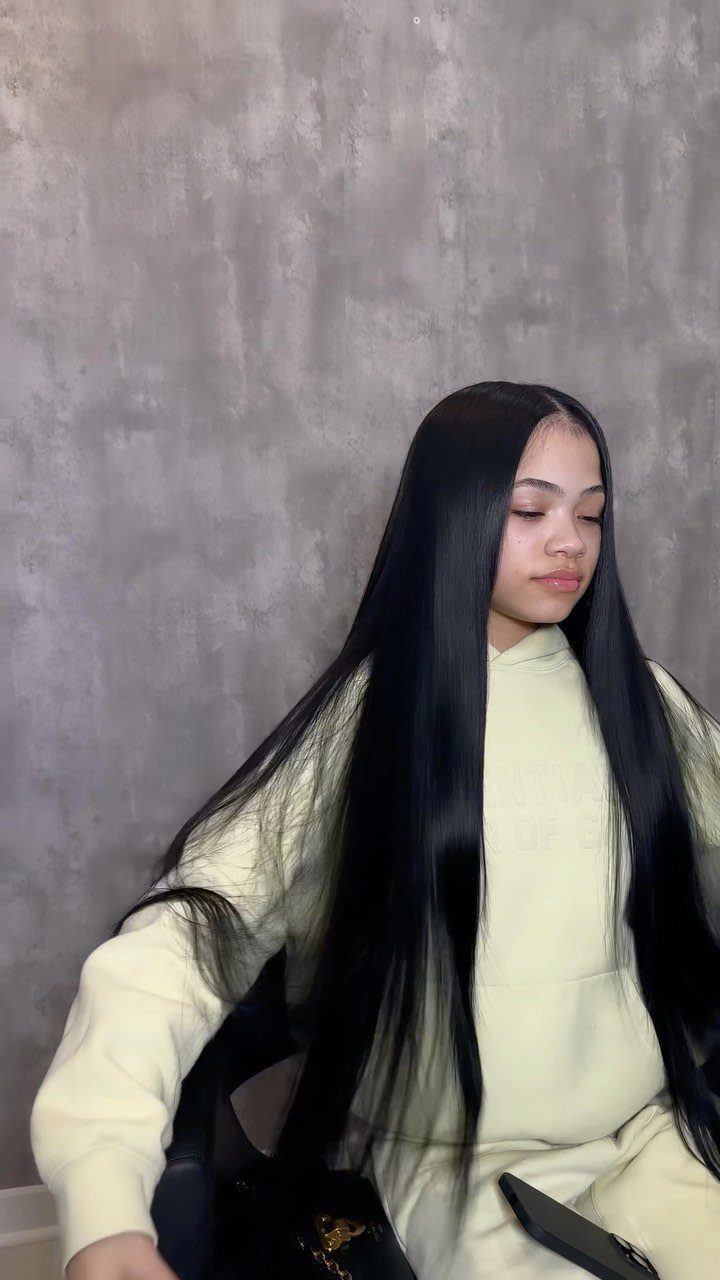
A straight long weave gives you length and a smooth, glossy fall that natural hair rarely holds on its own.
The result depends heavily on the quality of the hair, so I would spend more on the bundles than on anything else.
Straight hair like this looks best when it is cut cleanly at the ends and parted neatly. Show your stylist a photo of the length you want, and ask how to care for it at night.
18. Goddess Locs
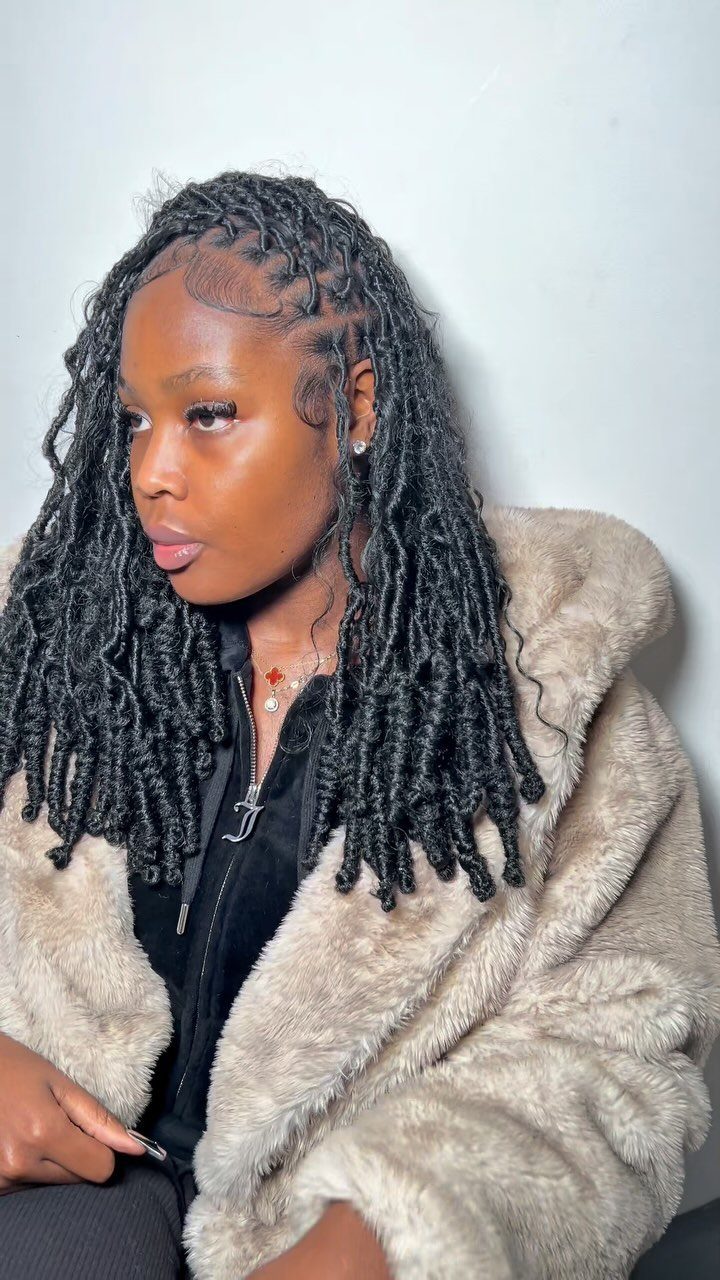
Goddess locs are faux locs with curly, loose ends, which gives a long style softness at the bottom instead of a blunt finish. That curl is what separates them from the standard version.
I would pick them over plain faux locs for a gentler, more romantic shape. Ask your stylist to match the length and curl at the ends from a photo, and confirm the sitting time before you book.
19. Fulani Braids
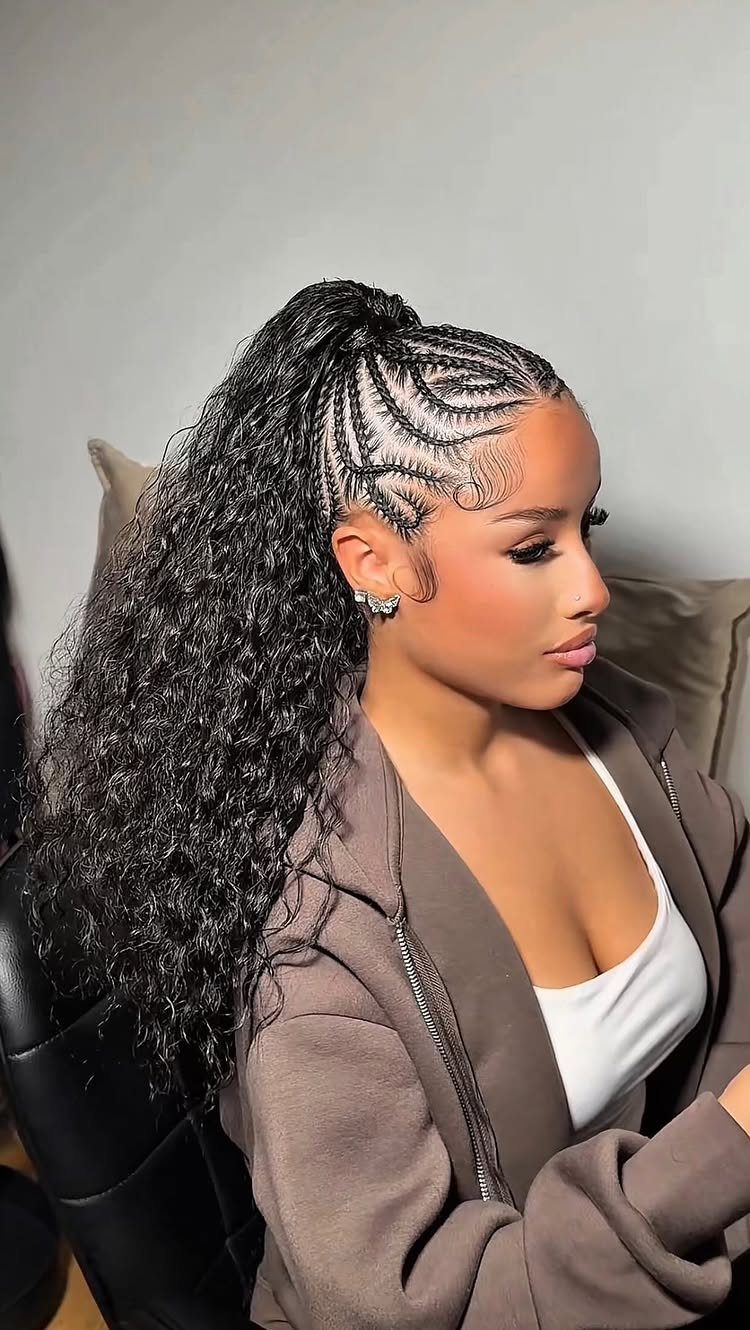
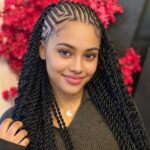
Fulani braids lay cornrows flat along the scalp and let the length fall into a long, curly ponytail, so the front stays neat while the ends carry the texture. The style has deep cultural roots.
I like it for a look that reads as styled with almost no morning work. Show your stylist where the scalp braids should run and how long you want the curls to hang, since those 2 details define the style.
20. Space Buns
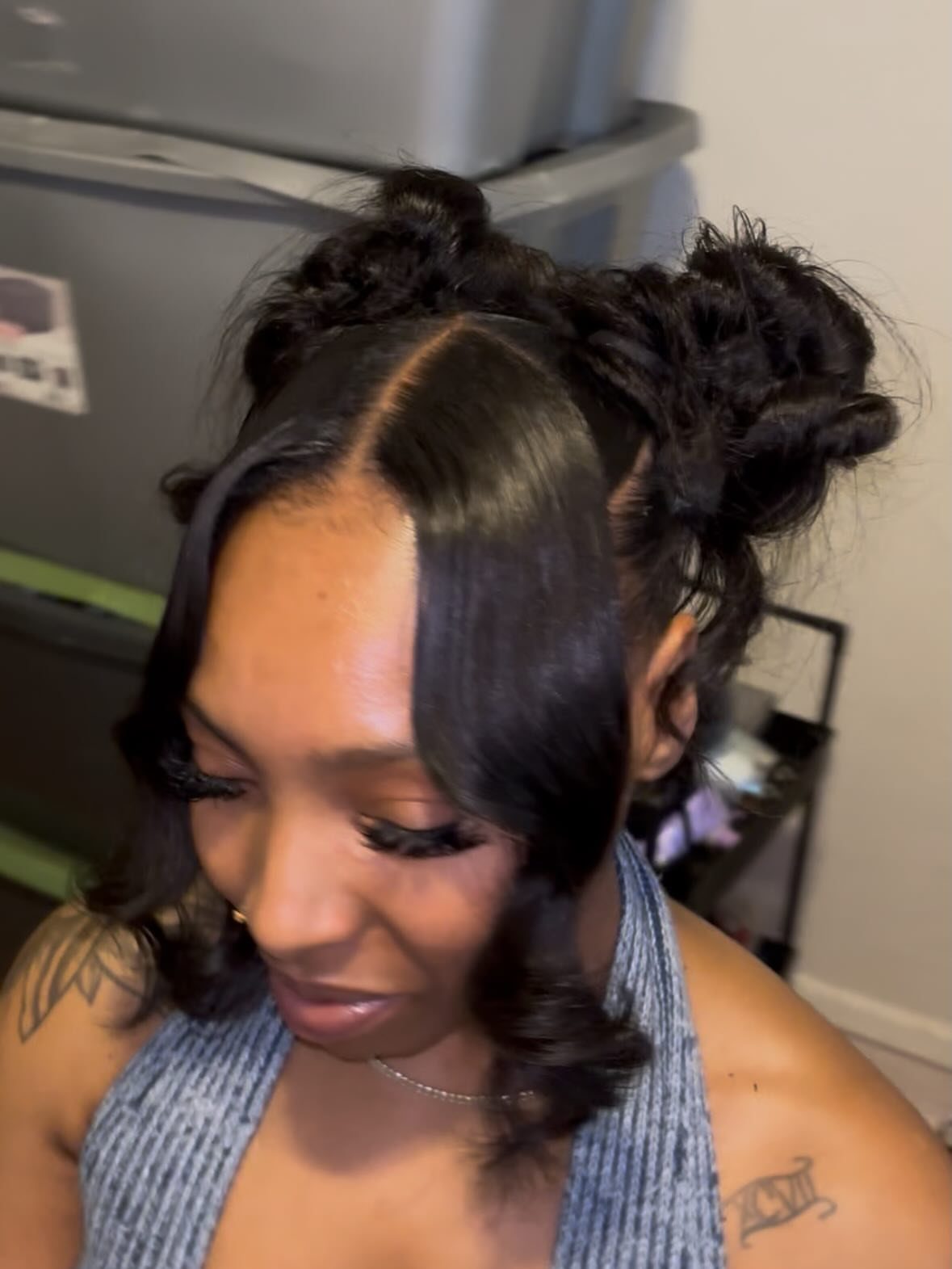
2 high buns sit on top of the head, and a few curled bangs left loose to frame your cheeks and forehead give a space bun style a playful, slightly ’90s feel.
For me, the face-framing strands decide whether it looks styled or just pinned. Place the buns at an even height, using a mirror, and show a photo to your stylist so the bang length matches.
21. Two-Strand Twists
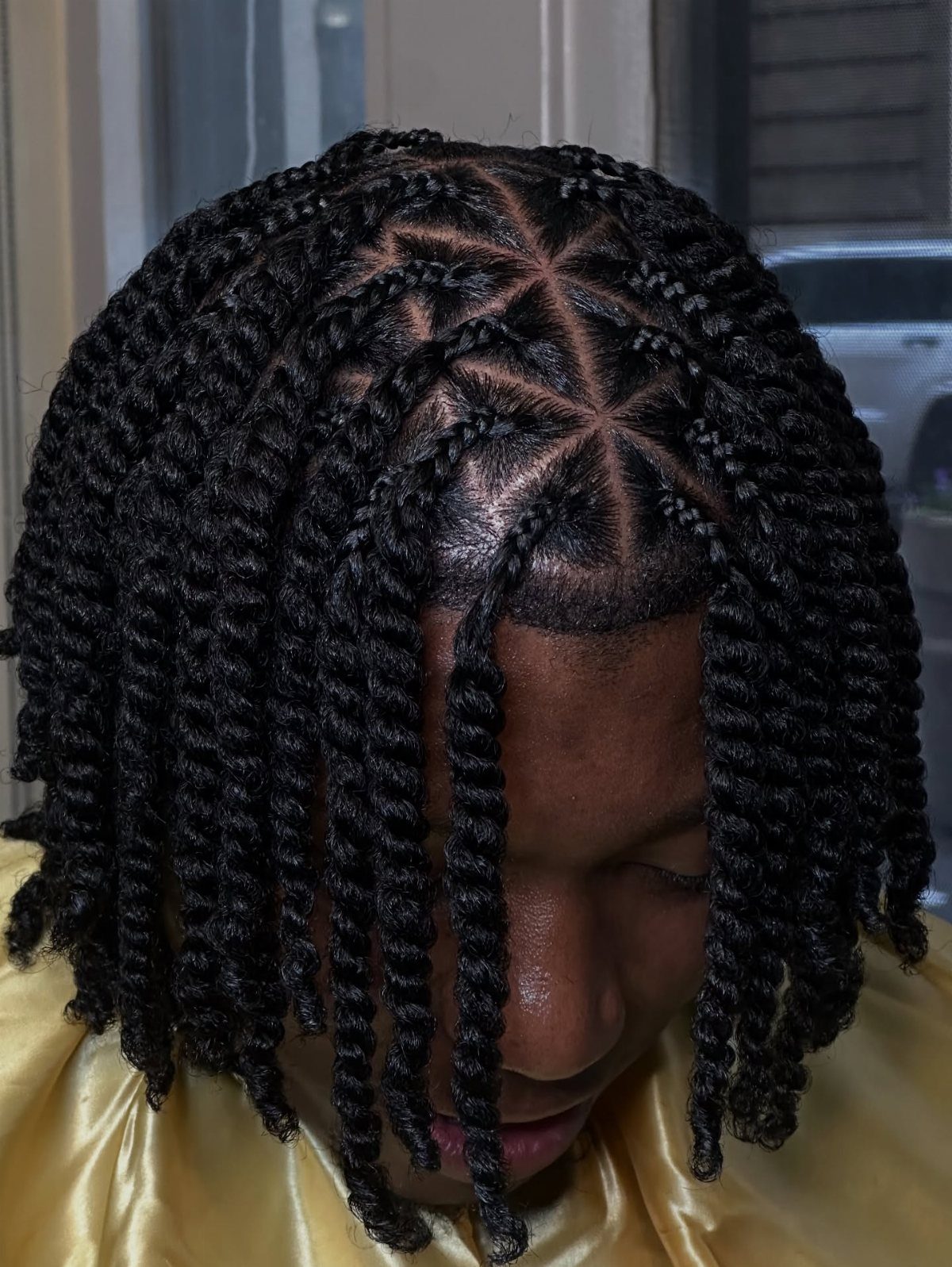
Two-strand twists wrap two sections of hair around each other, and a geometric pattern in the scalp parts turns a classic protective style into something graphic. Each twist adds texture.
I would pay for the parting, since sharp lines are what make the pattern read. A stylist can only match what they can see, so save a clear photo of the exact shape and size of twists you want.
22. Ombre Hairstyle with Dark Roots
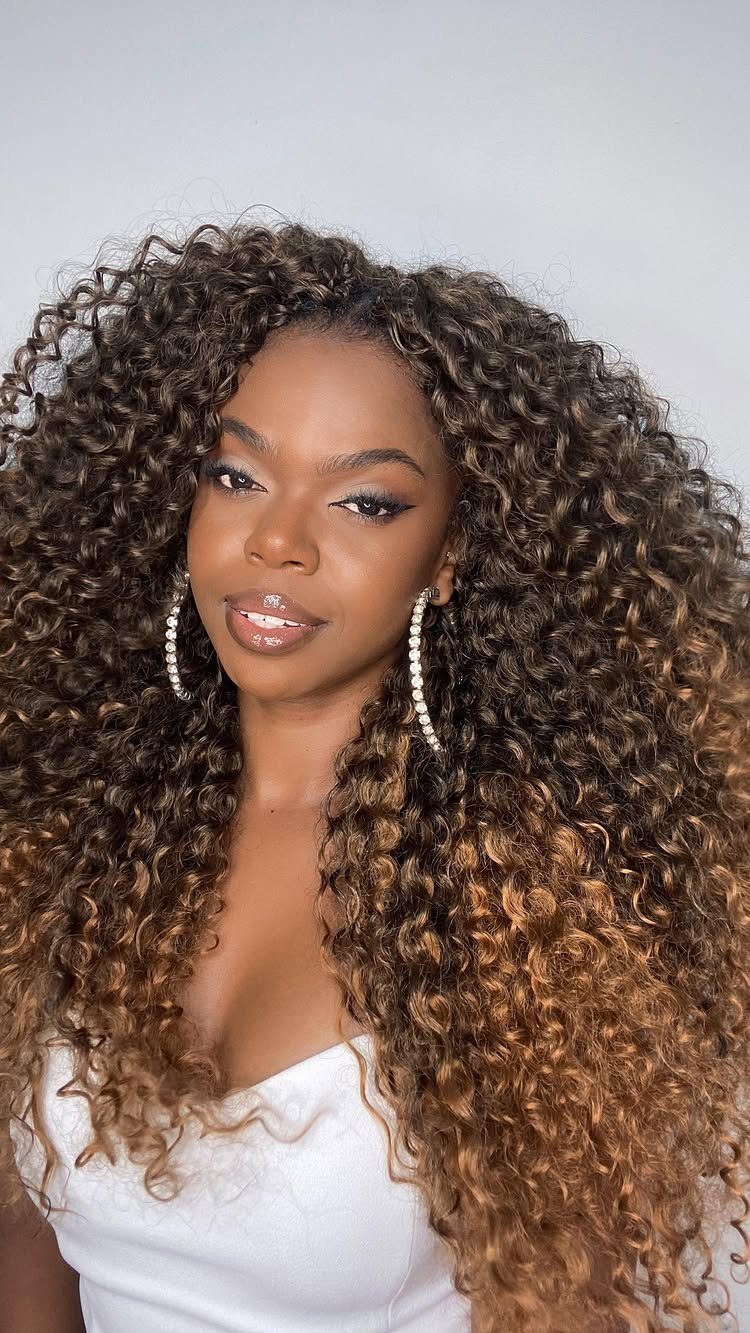
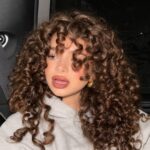
Ombre with dark roots keeps the scalp deep brown and lets the curls lighten toward golden brown ends. The darker top also makes regrowth far less obvious than a single light color would.
I would choose it for long, curly hair where the gradient can show along the length. Ask your colorist for the exact end shade from a photo, since golden tones vary a lot.
23. Layered Haircut
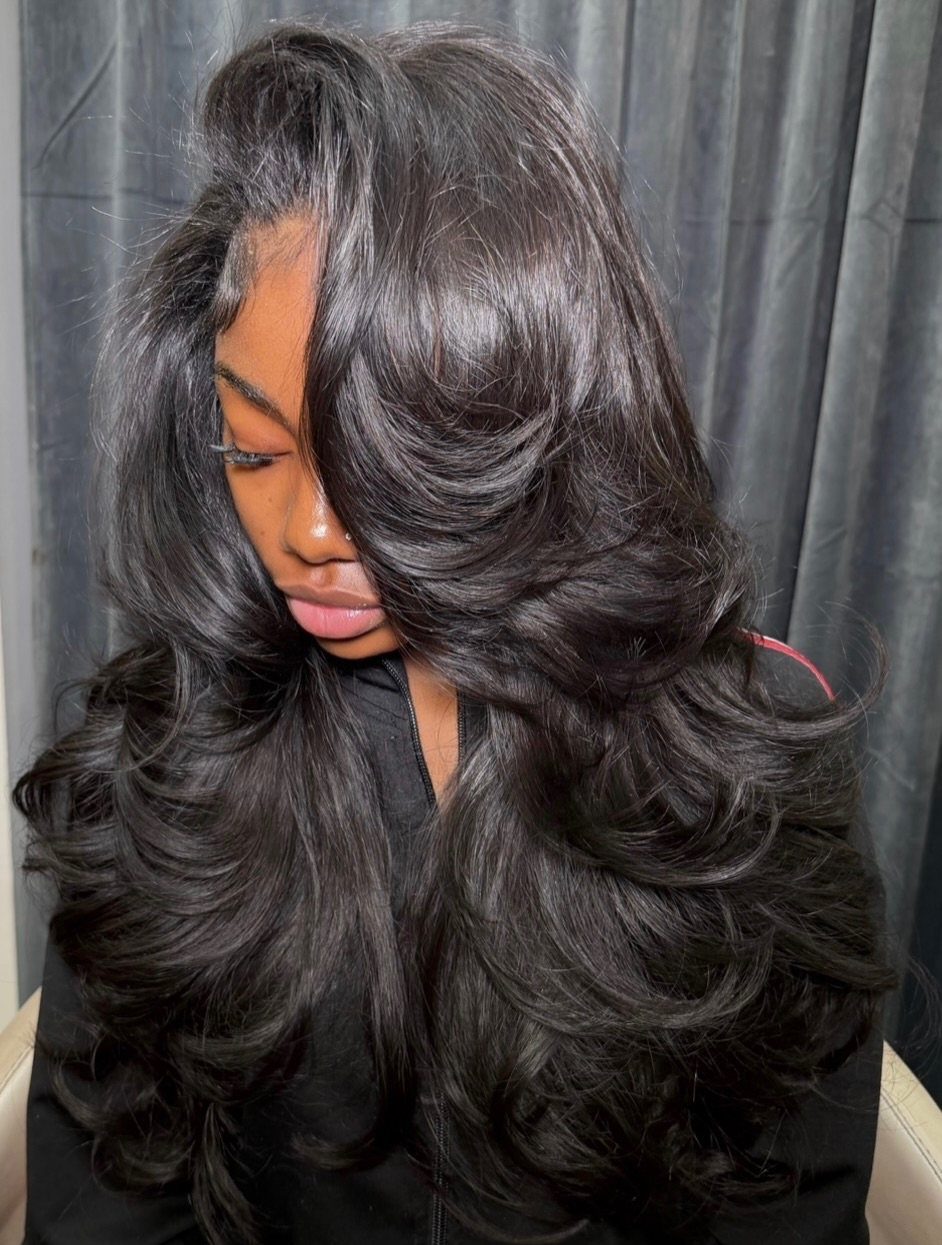
Layers cut into long curls give the hair movement, so waves bounce and the volume spreads evenly instead of collapsing at the ends. The result looks full and textured.
I like this for anyone with long hair who wants shape without losing length. Ask your stylist to cut the layers with the curl pattern in mind, and bring a photo showing how voluminous you want the top.
24. Wavy Cornrows
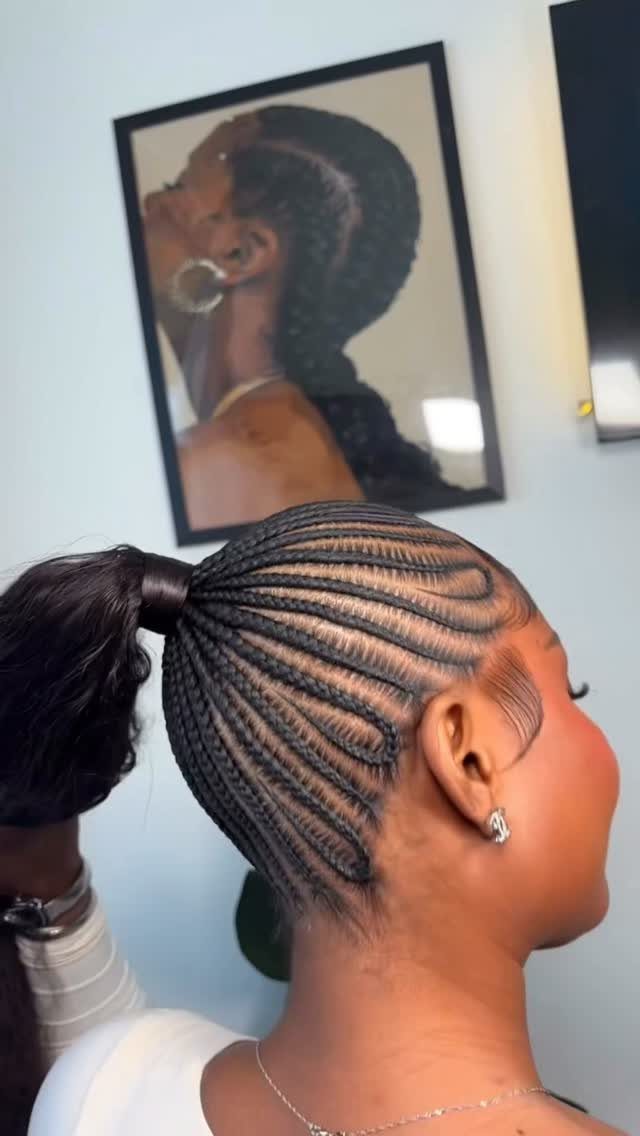
Wavy cornrows trade straight lines for curving paths along the scalp, which makes a traditional style feel creative.
I would pick this over straight-back cornrows when I want the pattern to be the point. Show your stylist the wave size you like, since tighter and wider curves look quite different.
25. Lemonade Braids
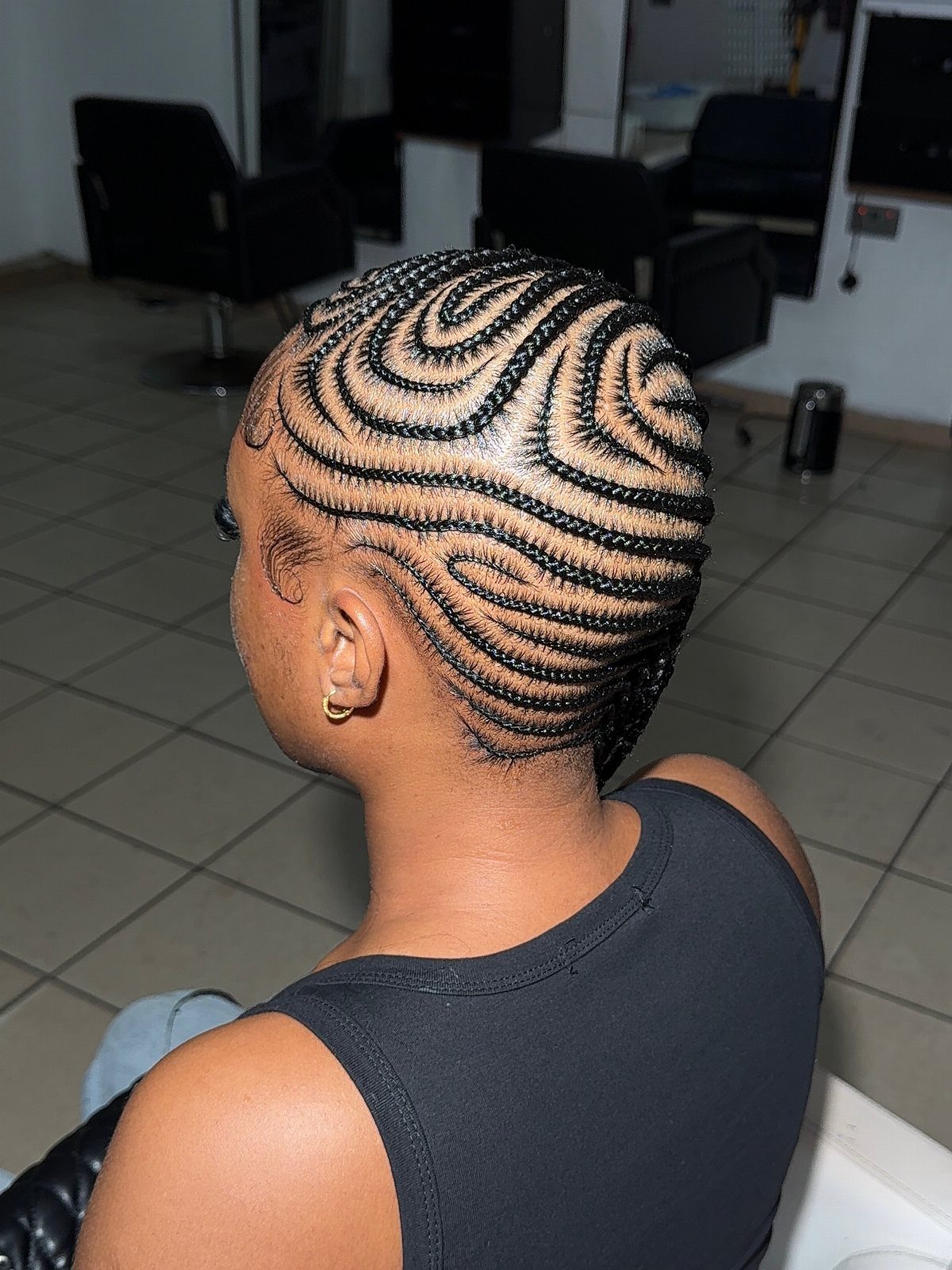
Lemonade braids sweep curved cornrows to one side, so the whole pattern leads the eye across the face. Small braids like these look polished and neat, and the side sweep frames the cheek.
I would choose the smaller size for a sleeker finish. Show your stylist which direction the braids should fall, since the curve is what defines the style.
Sideswept small- to medium-sized cornrows, inspired by Beyoncé‘s look in “Formation,” the first video off her iconic album “Lemonade.”
26. Shoulder-Length Curly Sew-Ins
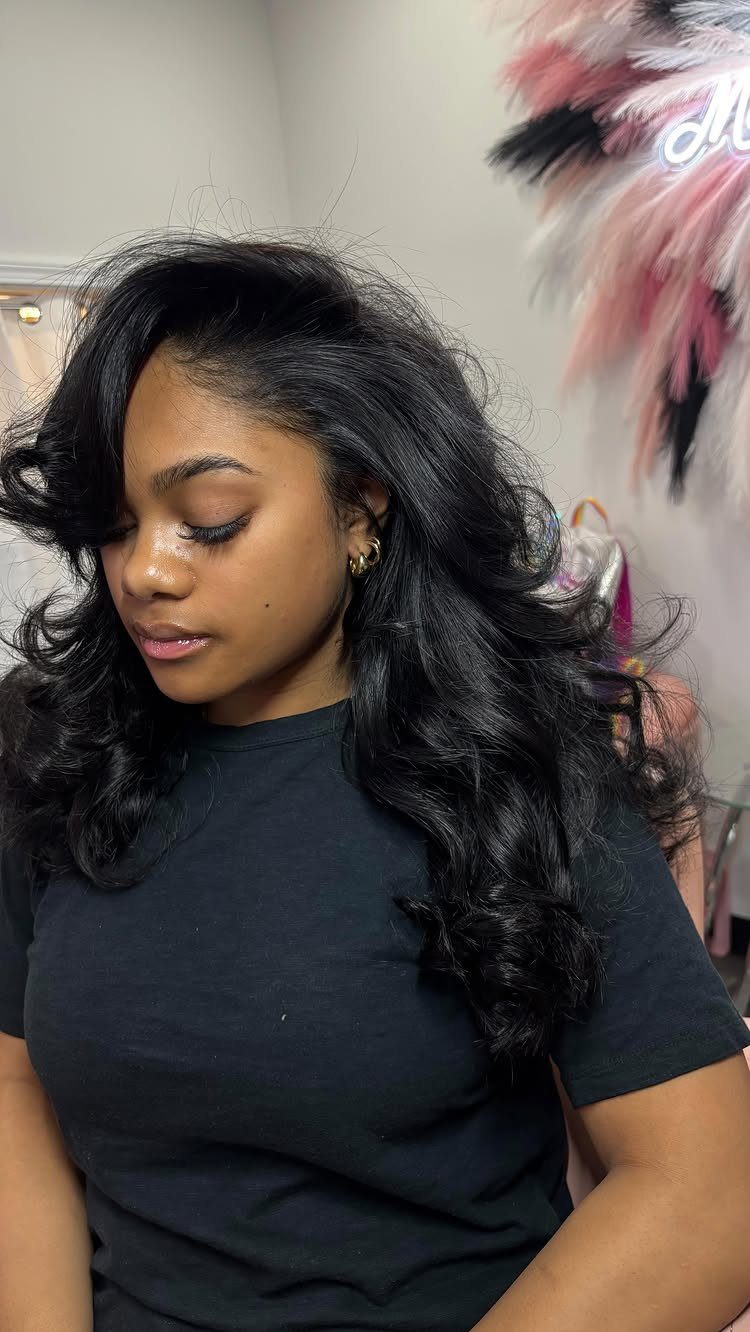
Weave does not have to mean extreme length or loud color. Shoulder-length curly black hair reads as natural and full, and it keeps the volume in a shape that is easy to wear every day.
For a weave that disappears into your own hair, this is the version I’d pick.
27. Sisterlocks
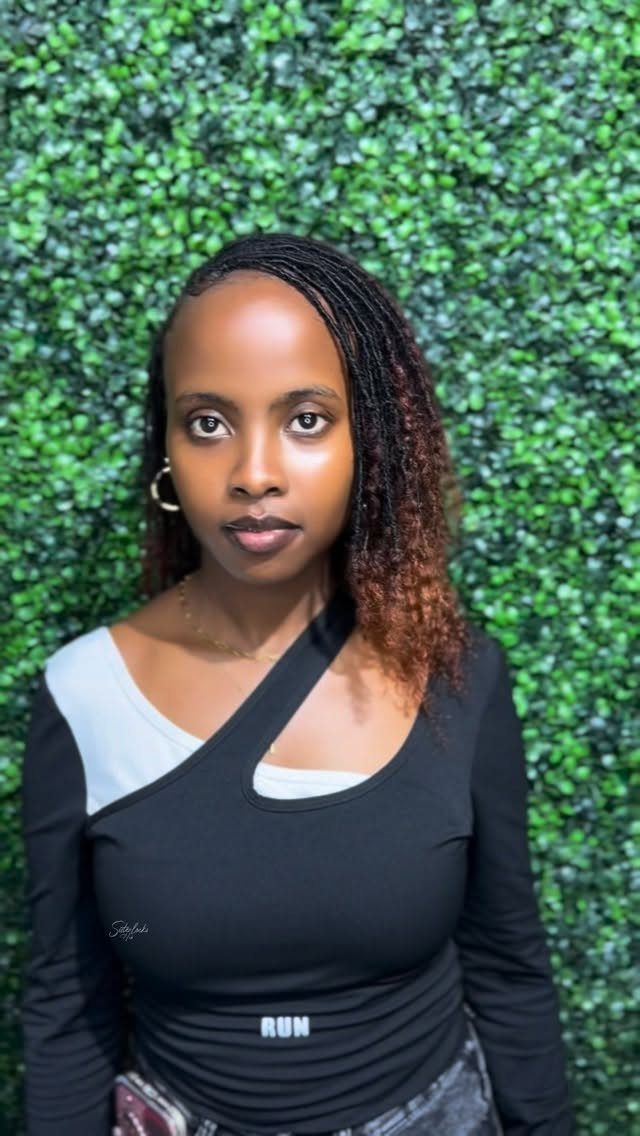
Sisterlocks are a smaller version of traditional locs, so each strand is thin and the length falls light and fine. Thin locs like these give a detailed, even texture across the whole head.
I would choose them for a long-term style with a delicate look. Ask your stylist about the size of each loc before booking, since smaller sections change how the style looks and feels.
Hair Care Tips
Textured hair is strong and versatile, but it still needs protection to stay healthy.
A routine of regular washing, deep conditioning and an occasional treatment covers the basics; adding a protective style gives the strands a real rest from daily handling.
Wash day matters most before an install. Starting with clean, deeply conditioned hair means you are not sealing in dryness for the weeks ahead.
Short twists are my pick for a protective style that still looks defined and textured, and they keep natural hair in good shape while they’re in.
For a style that does double duty, ask your stylist for something that sits close to the scalp.
Cultural Significance
Hair carried meaning long before it became a fashion choice. Across many African societies, braids carried meaning: they could signal rank, record where a family came from, and let a person express who they were.
Intricate cornrows, Fulani braids and Bantu knots could signal tribe, social standing and even life milestones. Hair was considered sacred.
I think that history is worth knowing before you book. Learn what a style means, name it correctly when you ask for it, and wear it with respect for where it comes from.
Seasonal Trends
Seasonal changes often set off a hair change, and a new season is a natural time to try something different.
Mixing a few ideas is allowed. Pull the part from one photo, the length from another and the color from a third, then show your stylist all of them so the final look is your own.
Frequently Asked Questions
Which is the most trending hairstyle?
Box braids and faux locs keep coming up as the most popular picks. Box braids are defined by even square parts on the scalp, and clean partings are what make them sit well.
Faux locs get you the dreadlock look with braided or wrapped extensions, and you can take them out whenever you want.
What is best for African-American hair?
Protective styles like braids and twists are the best fit for keeping textured hair healthy.
Hands-off styles like these give the strands a real break from daily combing and styling. Before installing anything, wash and deep condition so you aren’t sealing dryness in.
What are some new hairstyles for Black girls in 2026?
Expect fresh takes on classic protective styles alongside bold, high-volume looks.
Two to save: lemonade braids, where curved cornrows sweep to one side, and butterfly locs, which finish loose, wispy and a little bohemian. Bubble braid ponytails and crochet braids with defined curls are also worth a photo for your stylist.
What are the basic haircuts for females?
For textured hair, the basics are a pixie cut, an Afro bob and layers.
Layers add movement to long curls so the volume spreads evenly. Tell your stylist up front that the cut should follow your curl pattern, not fight it.