Your hair’s natural texture and how often you’ll book a trim decide which of these styles is yours.
Fine hair does better with gentle layers than steep ones, while a pixie or modern shag needs regular trims to hold its outline.
1. Curtain Bangs
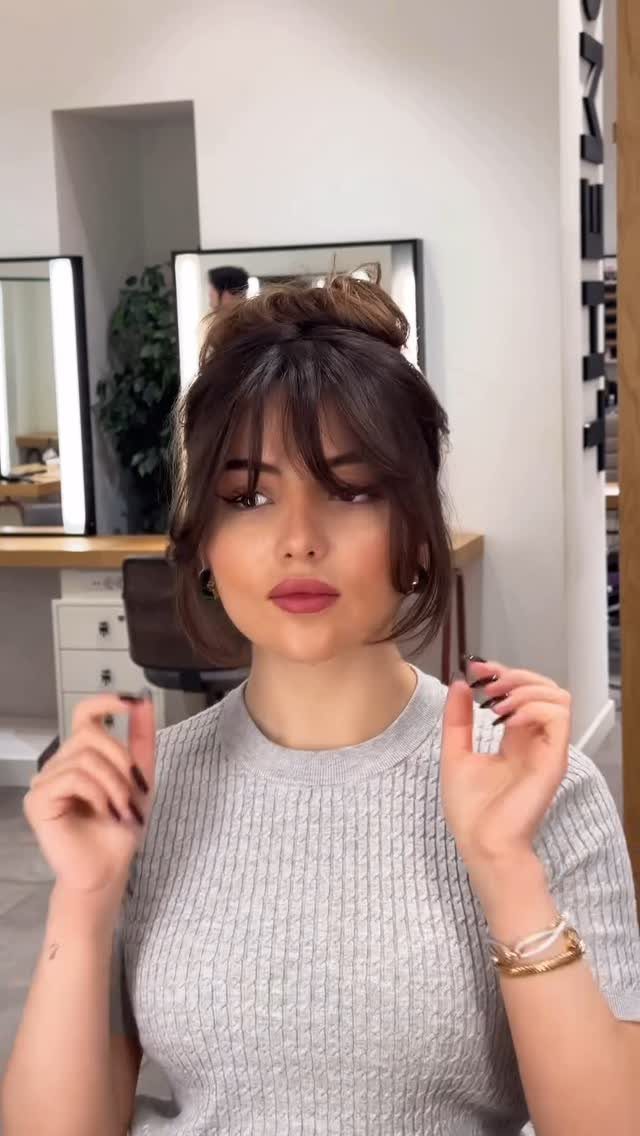
Curtain bangs part down the middle and sweep out toward the cheekbones, which is why they pair so well with a bun like this one. Grown-out pieces tuck behind the ears instead of poking into your eyes.
Ask your stylist for longer, face-framing pieces instead of a short, heavy fringe; that cut is what keeps curtain bangs easy to grow out.
They suit readers who want a change without a full commitment, since they blend into the rest of your hair as they grow. Expect to dry them with a round brush each morning.
2. Curly Hair Revival
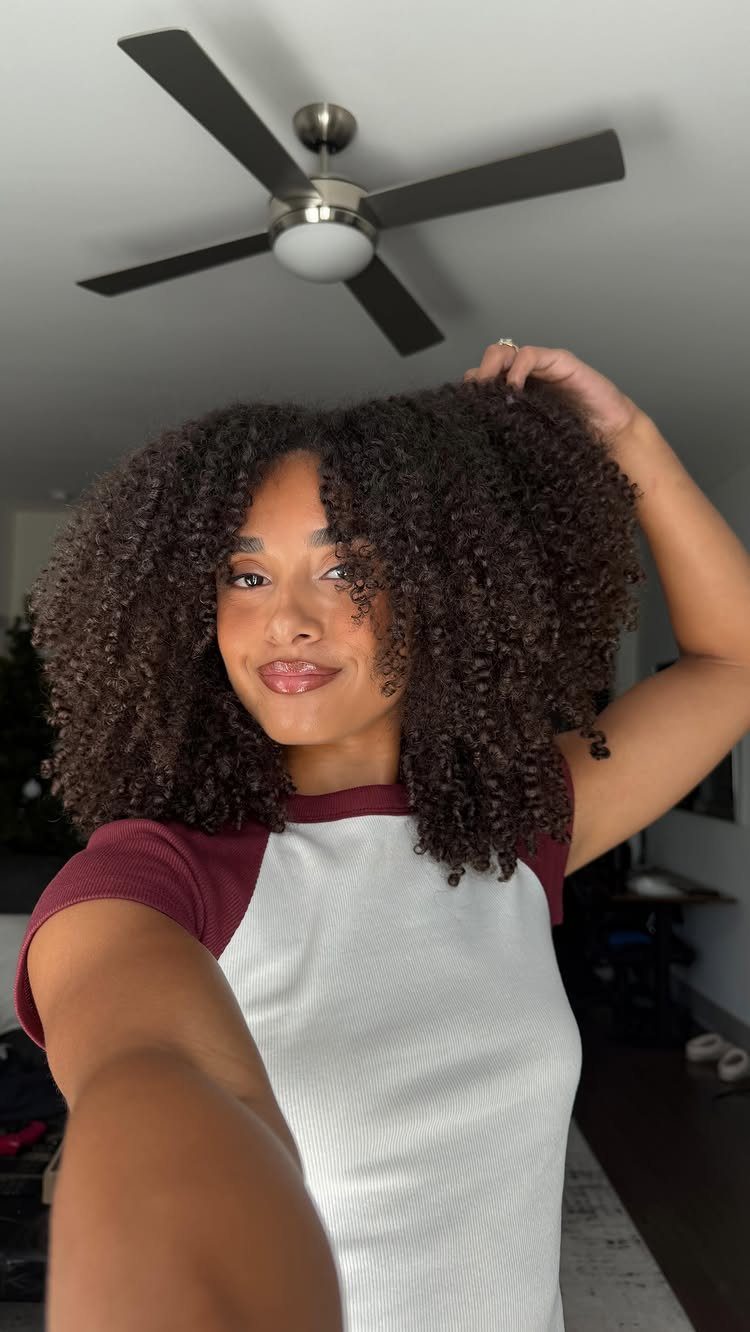
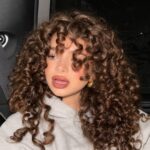
Volume this big comes from leaving the curl pattern alone, and the biggest mistake is brushing it dry. Work a leave-in through wet hair, then shape it with your fingers.
I prefer letting curls air-dry or diffuse on low heat, because high heat roughens the cuticle and puffs the surface into frizz. A shaped cut helps too, since curls stack better when the ends are trimmed to a deliberate outline.
Wash day takes longer than a straight routine does, but once the curls are set, styling afterward is minimal.
3. Long Layers
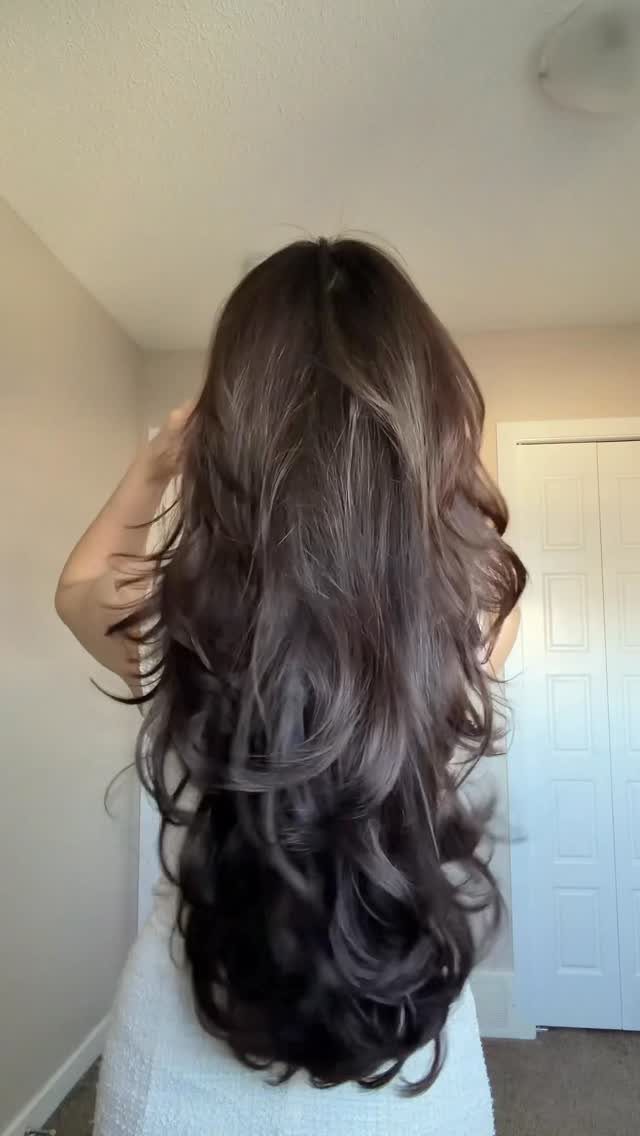
Layers that start below the shoulders keep length while adding movement, and from the back they read as soft waves rather than one heavy block. Ask for long layers, not short ones, so the ends do not look thin.
Fine hair can look wispy if the layers are cut too steeply, so I would ask for gentle ones.
At home, a loose wave from a large-barrel curling iron is plenty. The grow-out is forgiving, so trims are optional rather than urgent.
4. Italian Bob
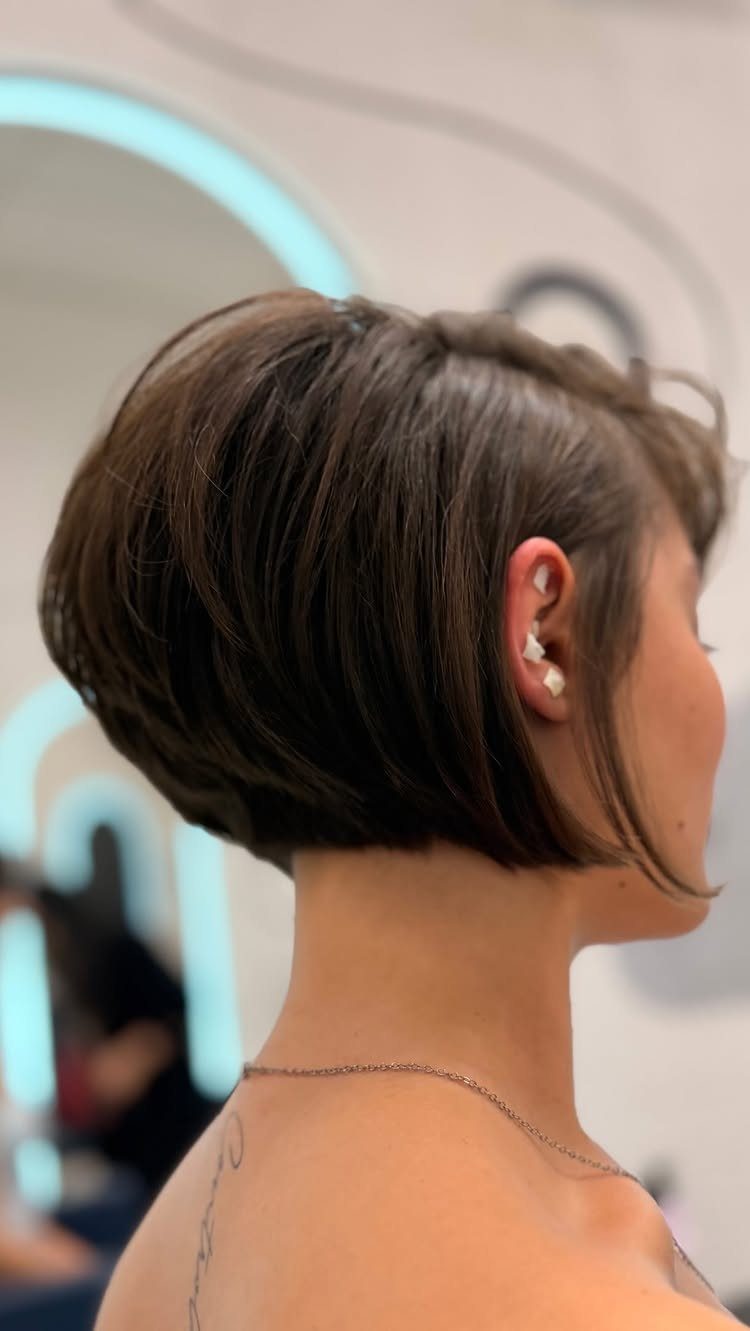
A bob with a textured, slightly undone finish looks lived-in instead of blunt, and the short length shows off the neckline. Ask your stylist for texture through the ends so the shape moves instead of sitting flat.
Style it with a light texturizing spray on damp hair, then scrunch or rough-dry.
It takes just a few minutes a day, which is the real appeal. A short cut needs regular trims to hold its outline, so plan on shaping visits.
5. Messy Buns
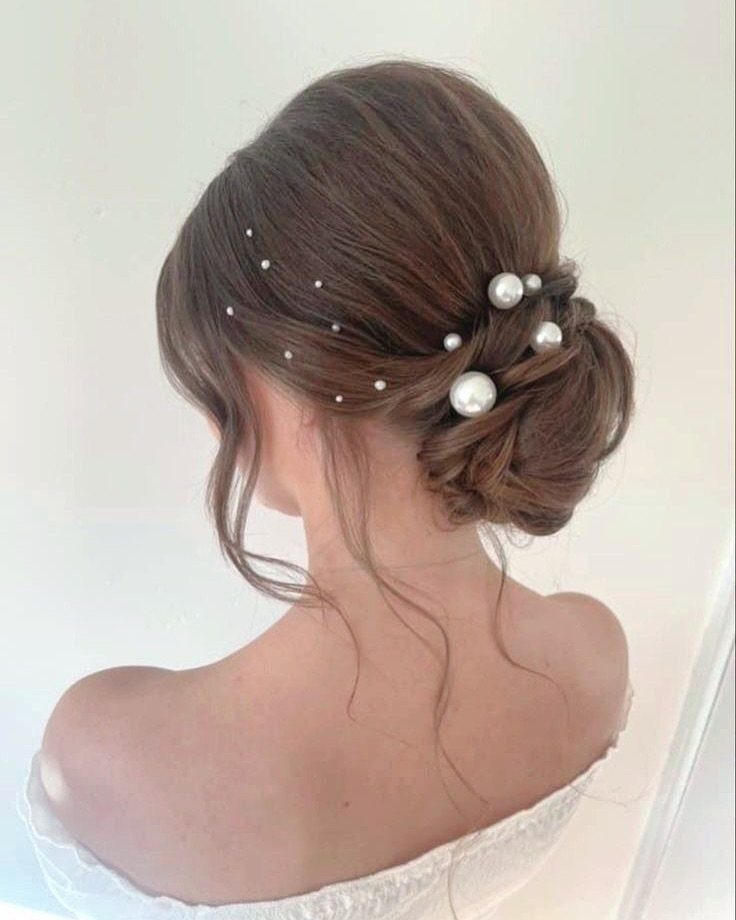
Low and loose beats high and tight for a messy bun. Pull the hair into a low ponytail, twist it, wrap it around the base, and pin it, then tug a few pieces loose near the temples and cheeks.
Day-old hair holds better than freshly washed hair, because the grip helps pins stay put.
A spritz of dry shampoo adds more. Pearl pins dress it up for an evening out, and once you have made it a few times the whole thing goes quickly.
6. Sleek Styles
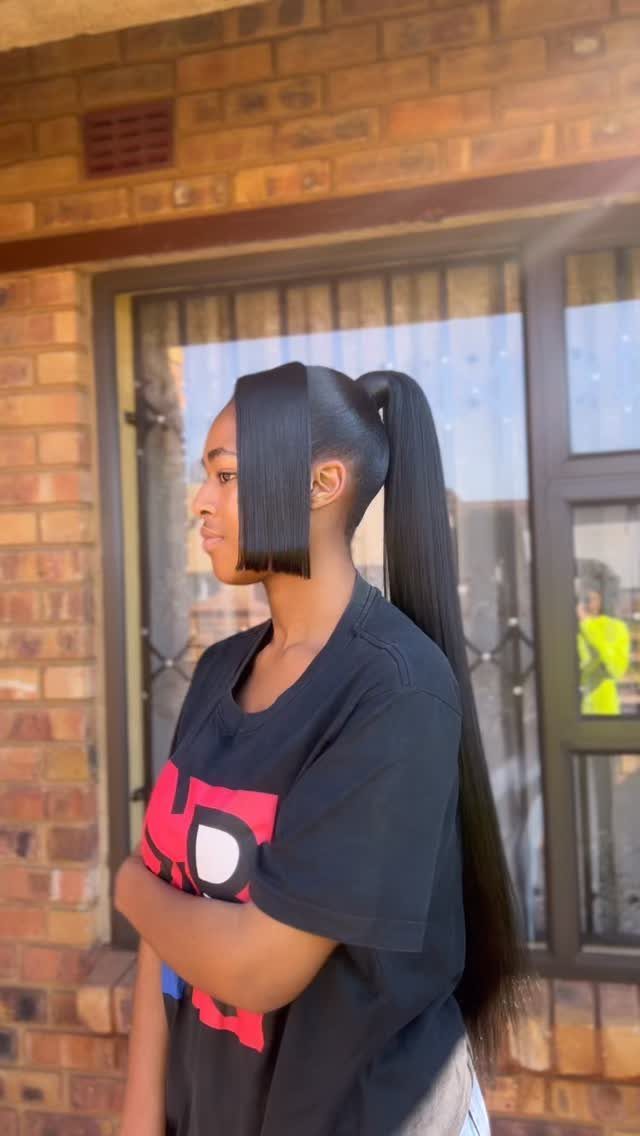
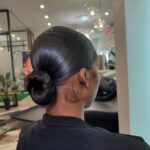
A ponytail this smooth depends on prep more than on the tie. Blow-dry with a paddle brush, then flat-iron in small sections, and finish with a smoothing serum to calm flyaways.
Pull the hair up with a boar-bristle brush for a clean line, and secure it with a snag-free elastic.
Blunt bangs add polish but need touching up, since they show oil quickly. Humid days can undo the work, so a light-hold spray is worth keeping nearby.
7. Modern Shag
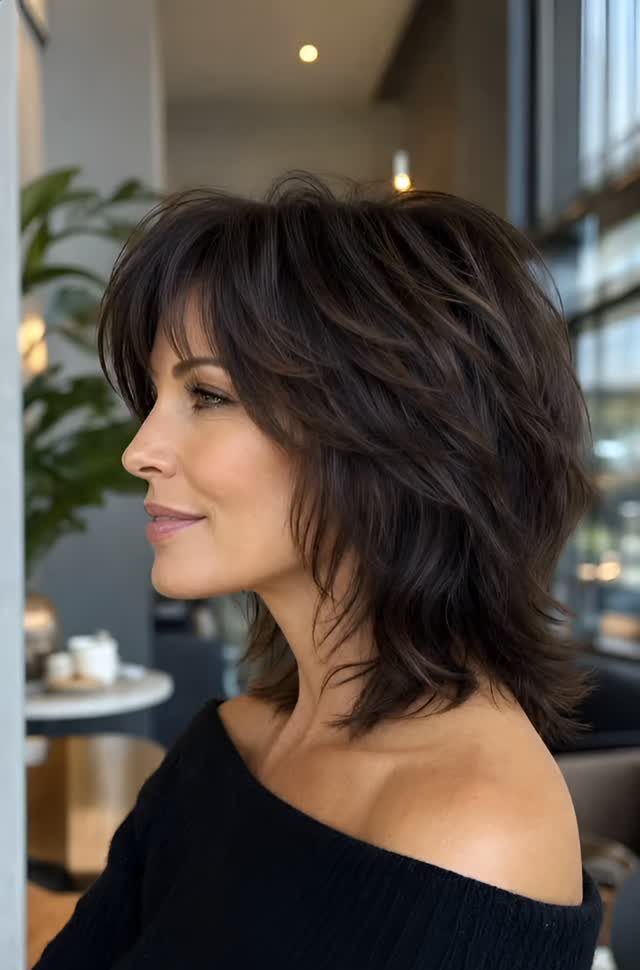
A modern shag keeps the layered, feathered shape of the classic cut but softens it, so the volume sits around the crown and the bangs blend into the sides.
Ask for lots of layers with a soft, wispy fringe rather than a choppy one.
I like it best on hair with some natural bend, since the layers need movement to look intentional.
Rough-dry with your fingers and add a texturizing spray. Layers this short at the top need regular trims to hold their shape.
8. Ponytails
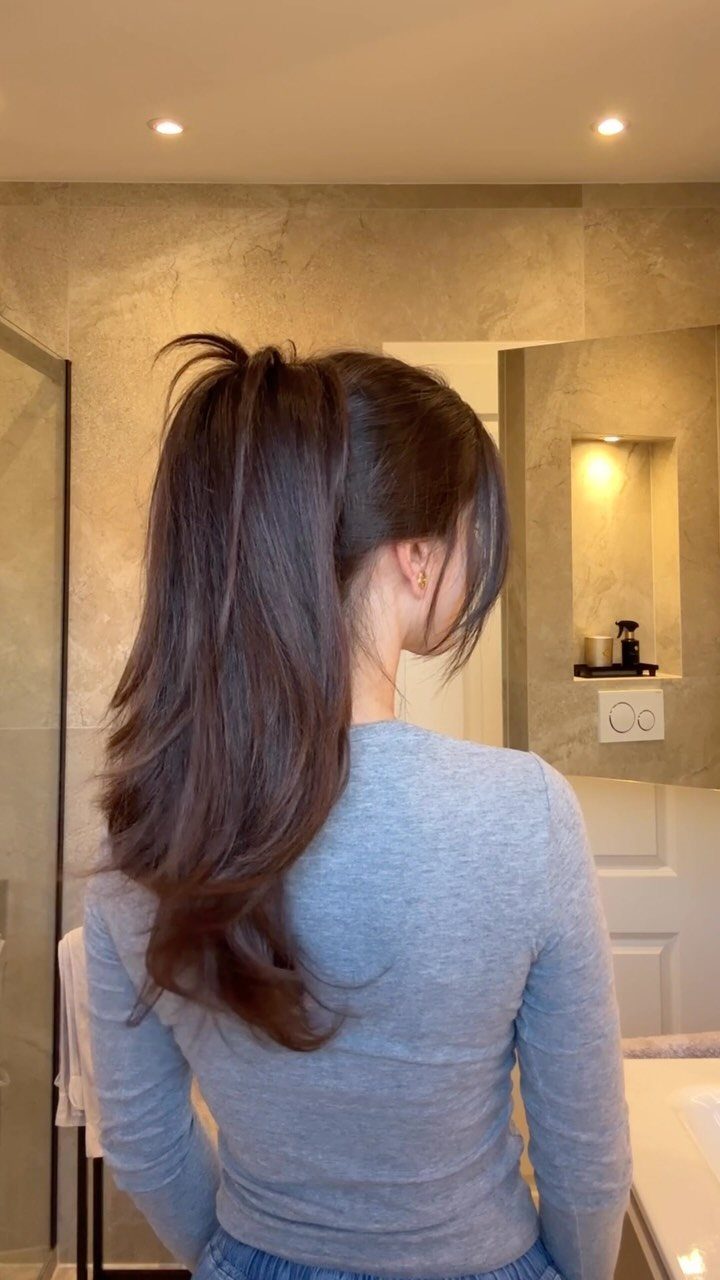
A high ponytail with volume at the crown looks polished with almost no effort, and it works from a gym session to dinner. Teasing the hair lightly at the top before you tie it gives the lift.
Sweep everything up to the highest point of your head, then secure it with a snag-free elastic so nothing tugs when you pull it tight.
For height, tease a small section at the crown and ease it outward with your fingertips.
Long hair gives the ponytail its swing, but the weight can tug at the roots by evening. A looser tie is kinder to your scalp.
9. Deep Side Part
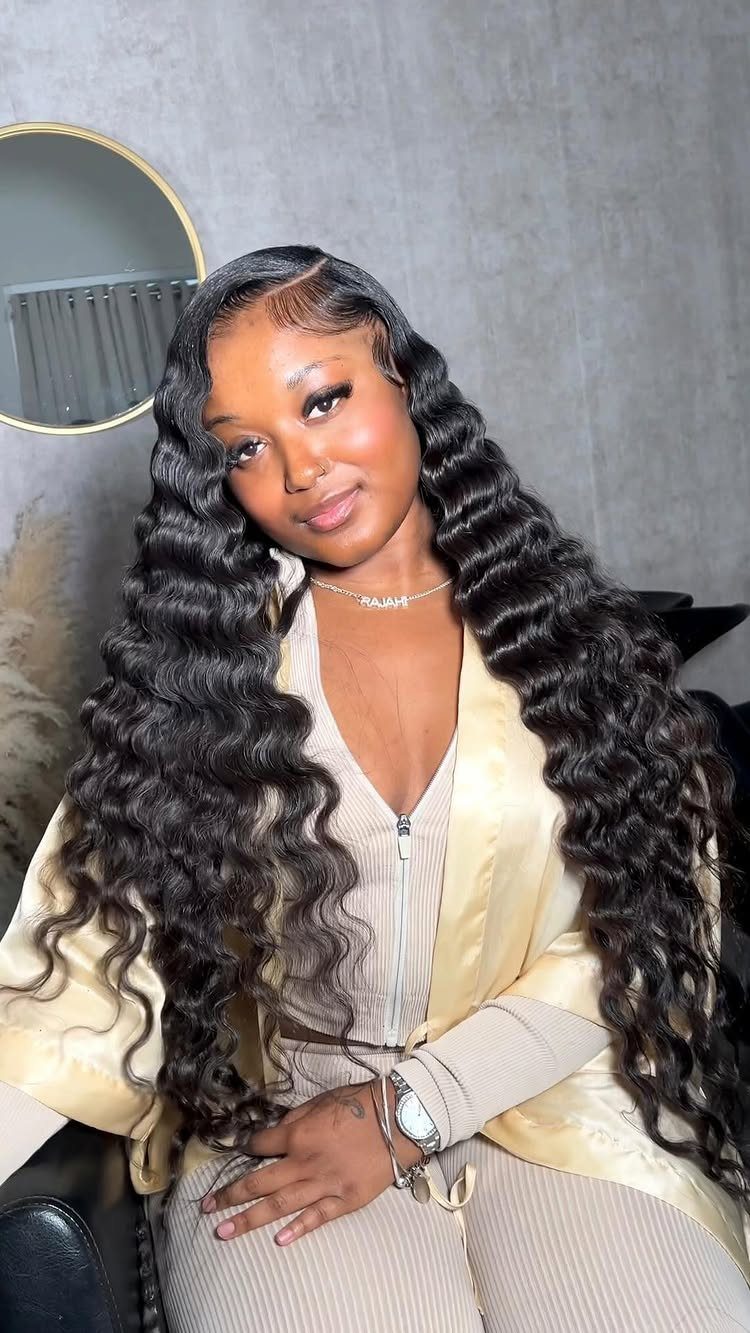
Moving your part a few inches off center changes the whole shape of a style.
A deep side part sweeps most of the hair to one side, which adds volume at the root and a soft, dramatic line across the forehead.
Part your hair while it is damp, then blow-dry it in the direction you want it to fall. Waves hold the shape well, and a bit of root-lift spray keeps the heavy side from collapsing.
Switching sides now and then helps the hair avoid a permanent crease.
10. Hair Accessories as Fashion Statements
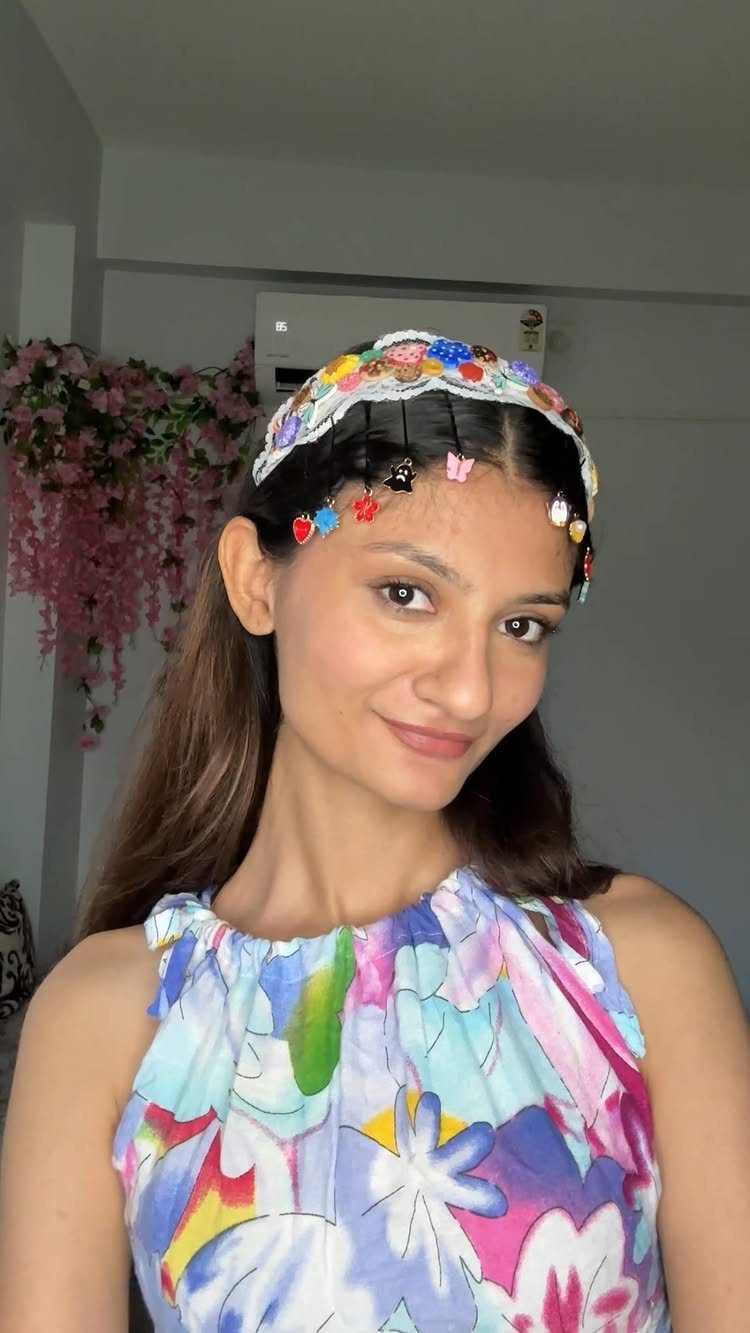
Headbands, oversized claw clips and silk hair scarves are all back, and my favorite version pairs a jeweled headband with two or three tiny clips tucked beside it. It lets plain hair look styled in about a minute.
A jeweled headband can carry the look with two or three tiny clips tucked in beside it, and everything else stays plain.
A jeweled headband pairs well with a simple top, and clips work best placed near the temples, where they stay visible.
Clips with sharp teeth can snag fine hair, so test the grip before wearing them all day.
11. Crimped Hair
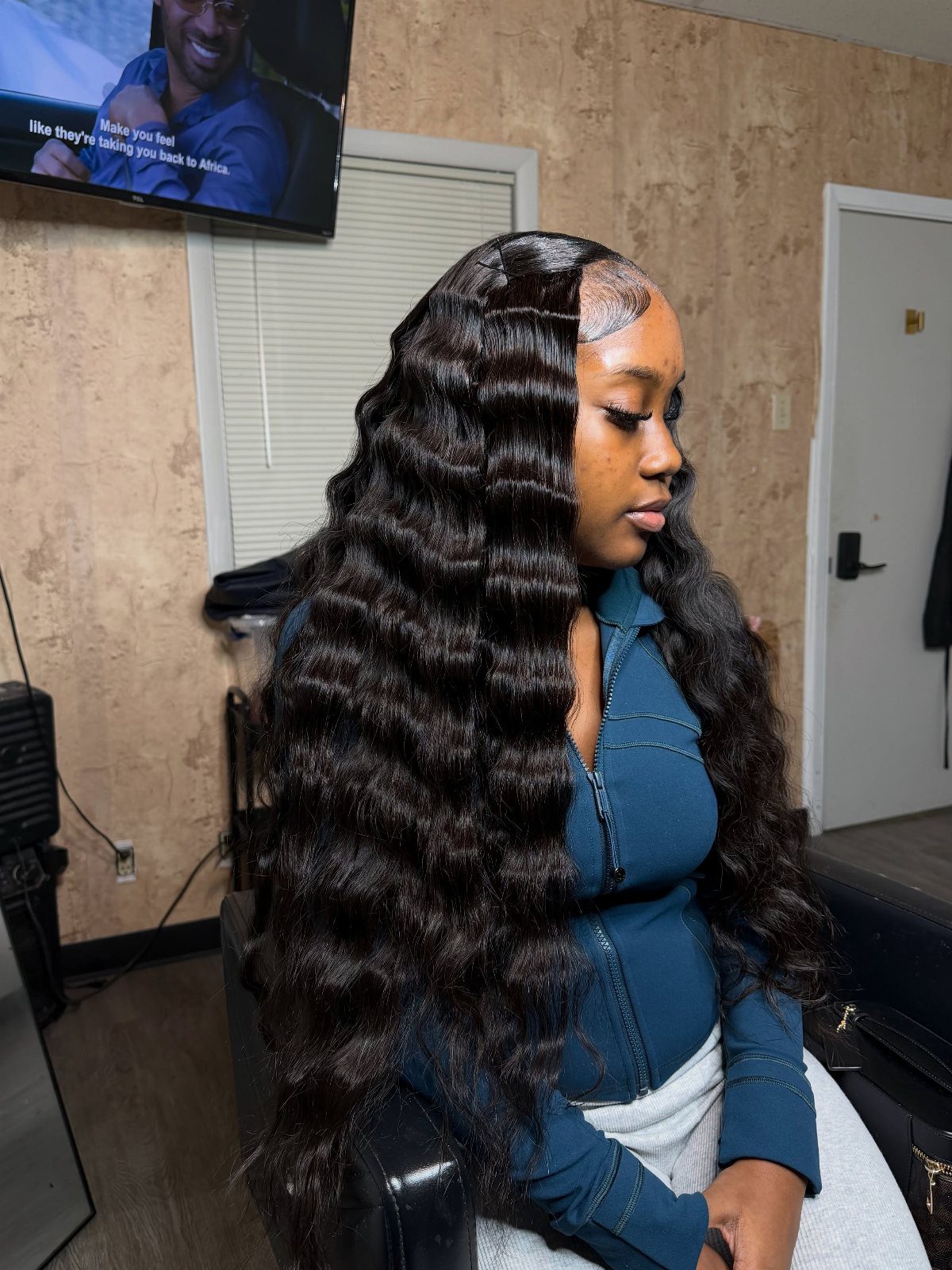
Crimped hair brings back a zigzag texture from the past, and on long, dark hair it gives a rippled pattern that catches light. Use a crimping iron on dry, heat-protected hair, working in small sections from root to ends.
Smaller sections make a tighter, more even pattern. Brushing it out afterward softens the effect into something more wearable.
The iron can be hard on the hair, so I would save the full-head version for special days and crimp only a few underlayers on the rest.
12. Long Faux Locs
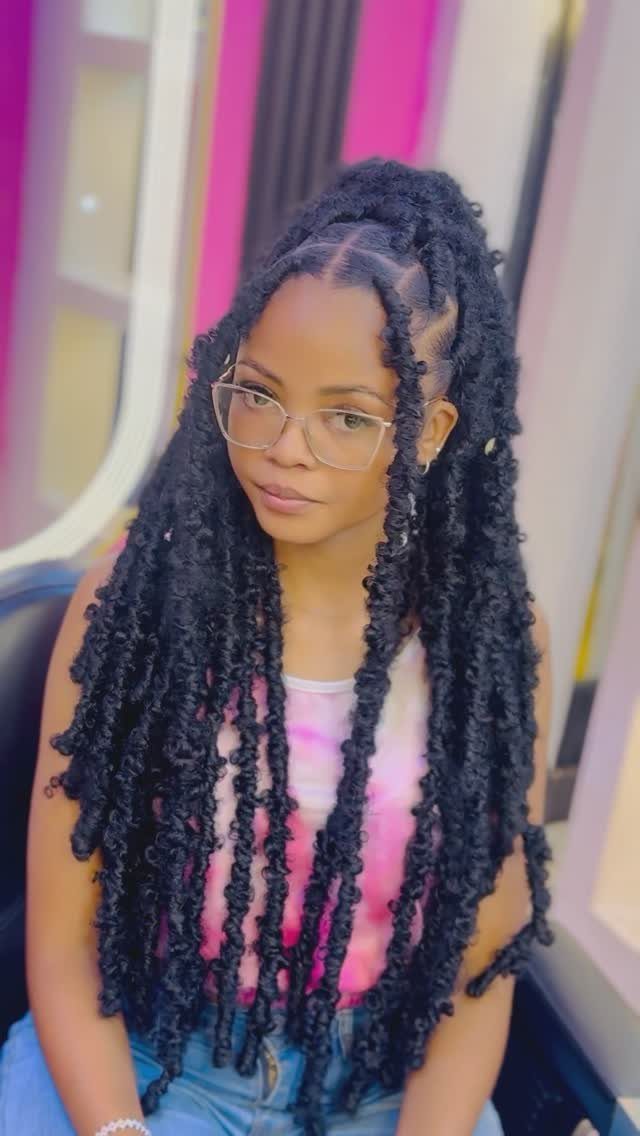
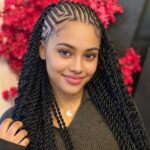
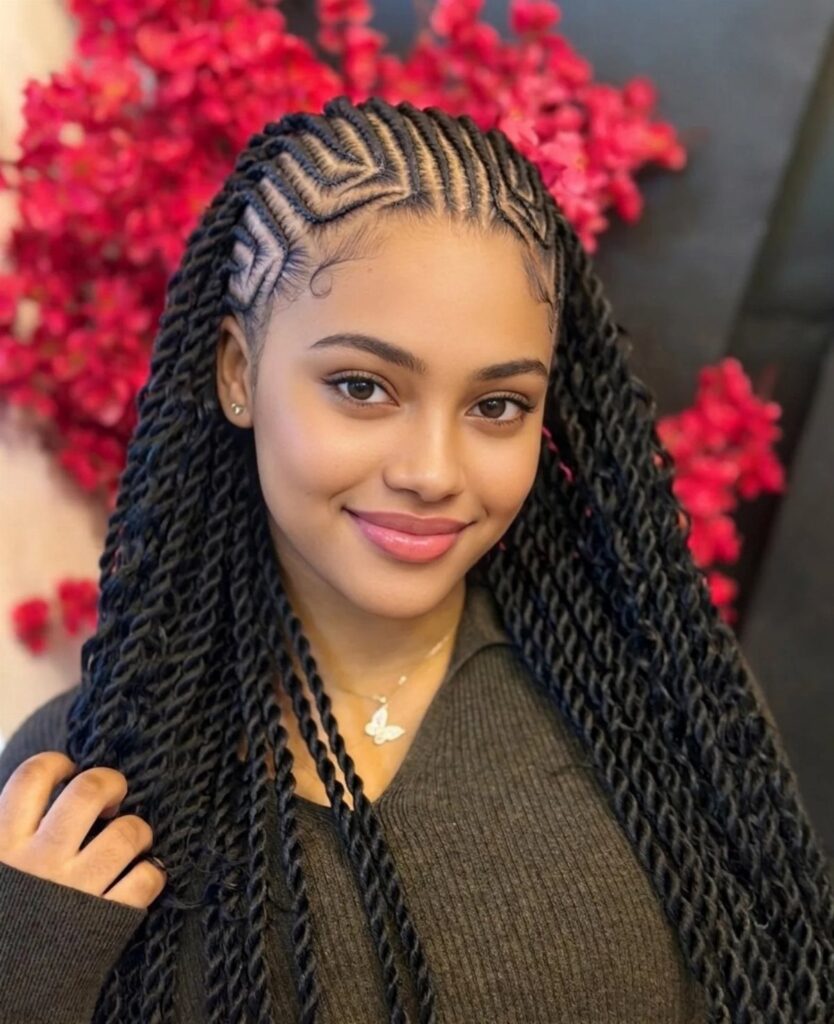
Long faux locs fall well past the shoulders and give you weeks of low-effort styling, since the hair is already done each morning.
They are installed by a stylist, so book an appointment and expect it to take a good part of the day.
Wearing them down over the shoulders, as here, shows off the length. Pulling them into a bun or high ponytail is a different look from the same install.
Long locs can feel heavy at the roots, so ask your stylist about the weight before you commit.
13. Choppy Pixie Cut
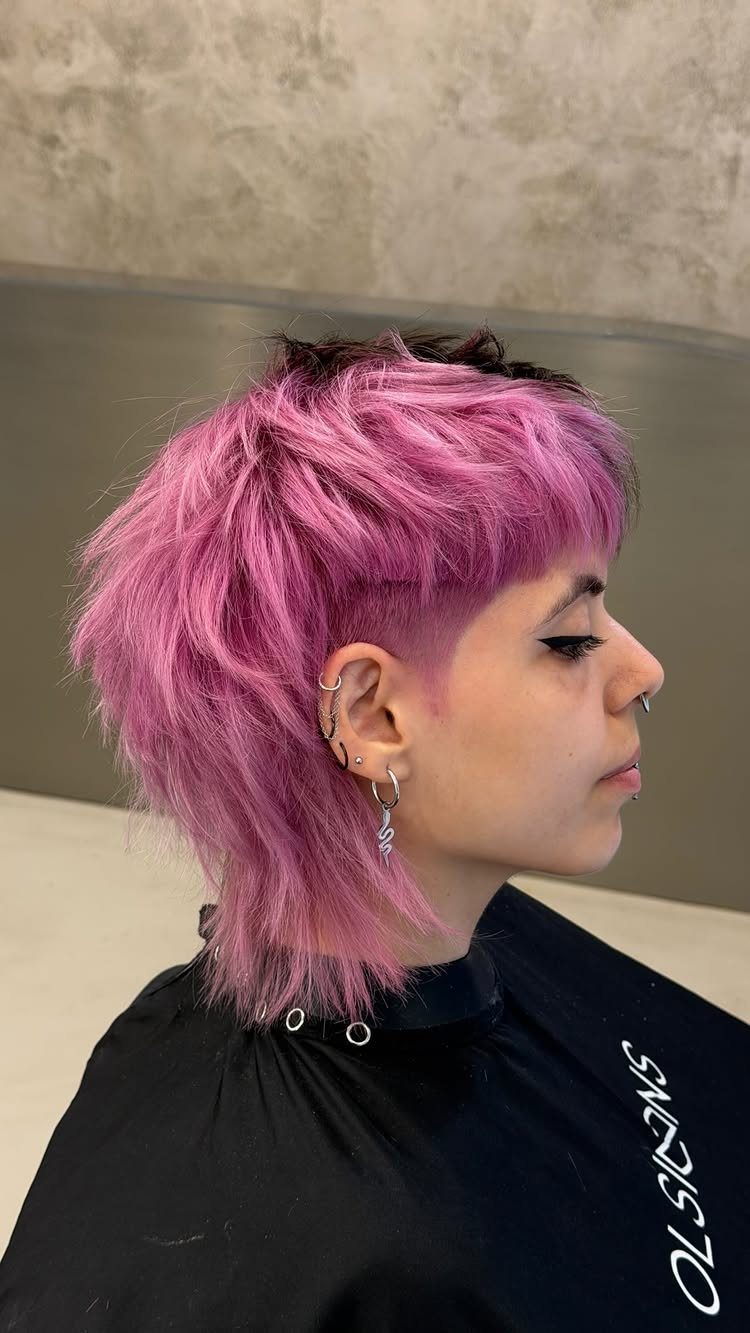
Short micro bangs and choppy layers give a pixie this much edge, and the bright pink color shows up best against dark roots. Ask your stylist for a textured cut with uneven layers on top and a very short fringe.
Pixies this short grow out in a visible way, so plan on regular trims to keep the outline sharp. Style it with a small amount of texturizing paste, worked through with your fingertips in about a minute.
Bright color on dark hair usually needs lightening first, so I would book that with a colorist rather than try it at home.
Hair Care Products
Texture and hold come from the product as much as the cut, and a professional line like Tecni.art is built to support a range of styles.
One stylist who uses it, Claudio Pacheco, reaches for Volume Panache when he wants a textured, rough kind of volume.
Pick the product by the finish you want, not the brand name. If you can, ask your stylist to diagnose your hair first, since fine, coarse and color-treated strands each take product differently.
Start with a small amount and add more only if the style falls flat. It is easy to put more on and hard to take it out without washing.
Styling Tips
Volume starts at the roots.
Rake a golf-ball-sized amount of volumizing mousse through damp hair, then dry it with a round brush so the ends roll into a soft, rounded curve. That one step gives layered hair its movement.
The Ouai is the one to try if you would rather skip the blow-dryer.
Point the brush toward your face as you dry each section, and the ends will tuck under instead of flipping out.
Layers that begin below the chin frame the face and add movement, and they leave the ends full instead of thin.
Color Trends
Rose gold, lavender, silver and even neon shades are all in play, and you can go for pastel streaks or a full-head change.
Streaks are the lower-risk way in: they let you test a shade before it covers everything. A full-head color change makes the loudest statement, so it fits a person who wants heads to turn.
Pick one shade you would be happy to see in the mirror every day, and show your colorist a photo of it. Naming the exact tone beats asking for "pink" or "purple," because each comes in many versions.
Frequently Asked Questions
What are the top trending hairstyles right now?
Curtain bangs, the Italian bob, the modern shag, long layers and natural curls lead the list I would point to.
Sleek ponytails, messy low buns and a deep side part are easy ways to update hair without a cut. Each one works because it looks lived-in and takes little time in the morning.
What haircut is trending for 2026?
The Italian bob and the modern shag are the 2 cuts I would ask for by name.
Cut short and rough on purpose, the Italian bob leaves the neckline bare, and it only keeps its shape if you book a trim every 6–8 weeks.
Today’s shag is a gentler take on the old feathered version: lift at the crown, a light wispy fringe, and the best results on hair that already has a little wave.
What haircut makes an older woman look younger?
I can’t name one cut that does it, but long layers and curtain bangs are the softest options.
Long layers starting below the shoulders add movement without looking heavy, and gentle ones keep fine hair from looking wispy. Curtain bangs frame the face, blend in as they grow, and make a change feel low-commitment.