Tension decides which of these styles is healthy for you: a Low Bun or Low Ponytail costs about a minute and almost nothing in pull, while Knotless Braids and Senegalese Twists can sit for weeks and put their weight on your roots and hairline.
Your hair’s strength and how long you plan to wear the style set the limit, and the post’s own ceiling for knotless braids is 7 weeks.
If your edges are fragile, start with a loose Low Bun, Two-Strand Twists or a Silk Scarf Ponytail, and skip anything that stings, since that is the first sign of the strain covered under Risks of Tight Styles.
1. Low Bun
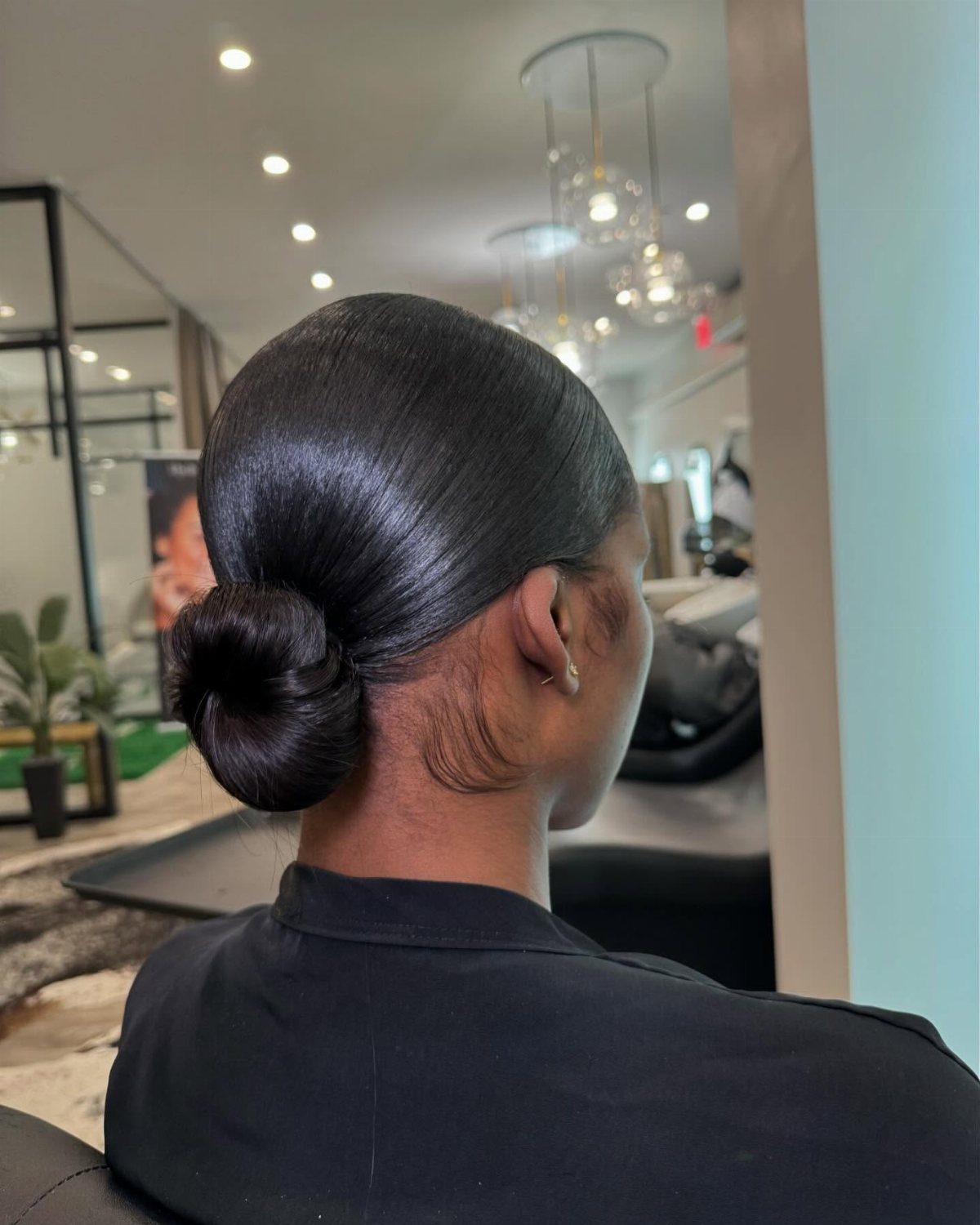
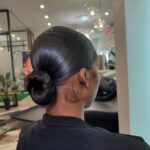
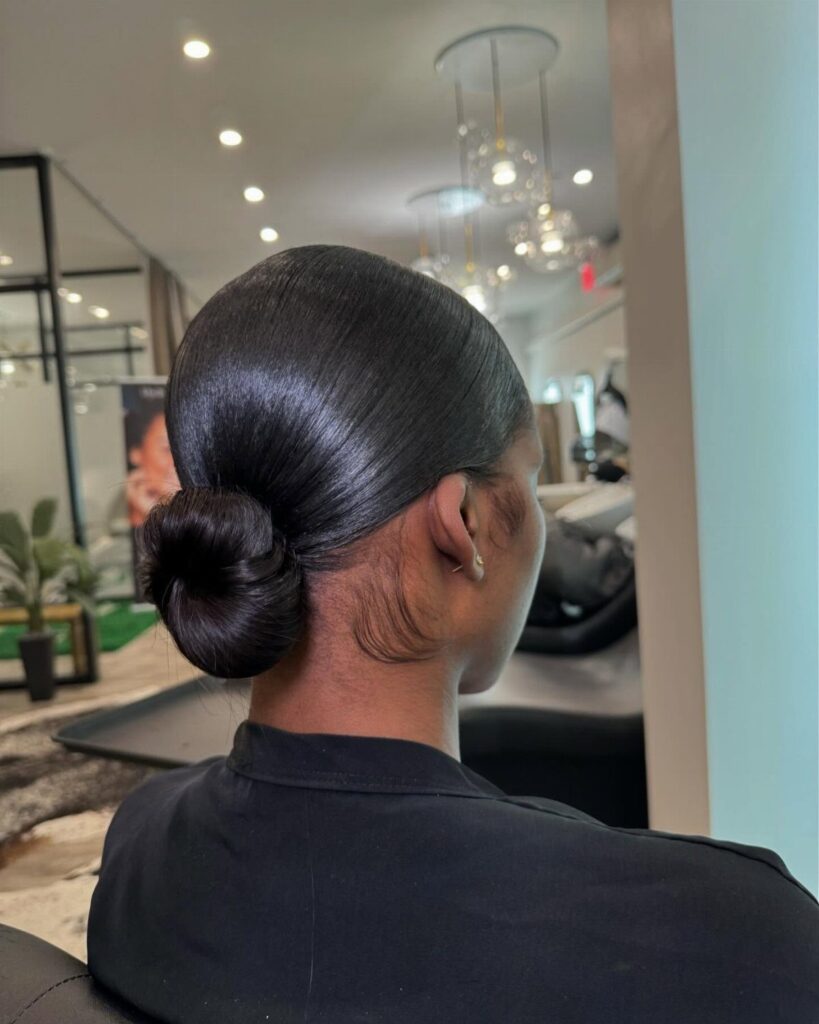
A low bun tucks the ends, the oldest and driest part of each strand, out of sight and away from collars and friction.
Wrapped smooth against the nape, hair rubs on less clothing and gets less wind and friction through the day.
For a sleek finish like this one, smooth the hair back with a soft brush first, then secure it with a snag-free elastic.
Pulling it very tight is the mistake I see most: a bun that sits snug but not strained protects the hairline, and the hairline is where tension damage shows first.
Move the bun a little higher or lower each day.
2. Low Ponytail
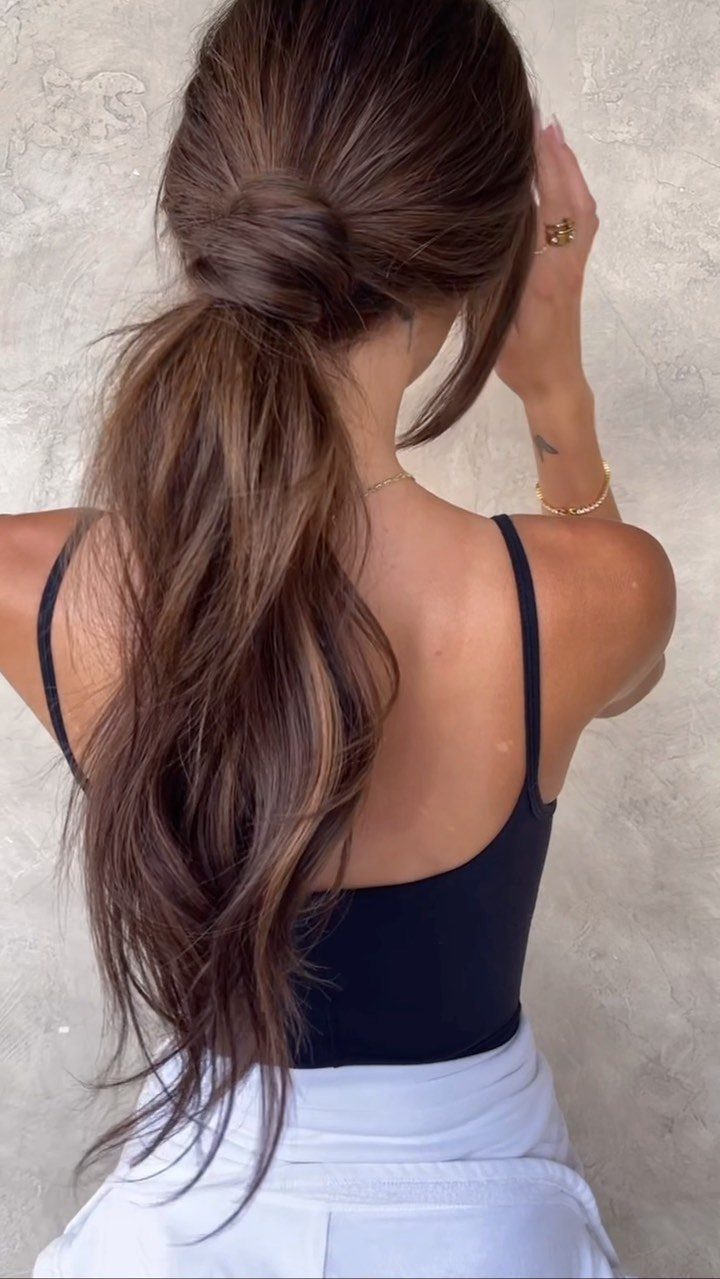
Brushing once, gathering once and leaving everything alone is what makes a low ponytail gentle. Less manipulation means fewer snapped strands, and on long hair that adds up.
Set it at the nape, where the pull on your hairline stays light.
The twist in this version is an easy add-on: split the hair above the elastic, flip the tail through the gap, and the ponytail looks finished in about a minute.
I would choose a fabric-covered elastic over a thin rubber band every time, since bare rubber grabs and breaks hair.
3. Bantu Knots
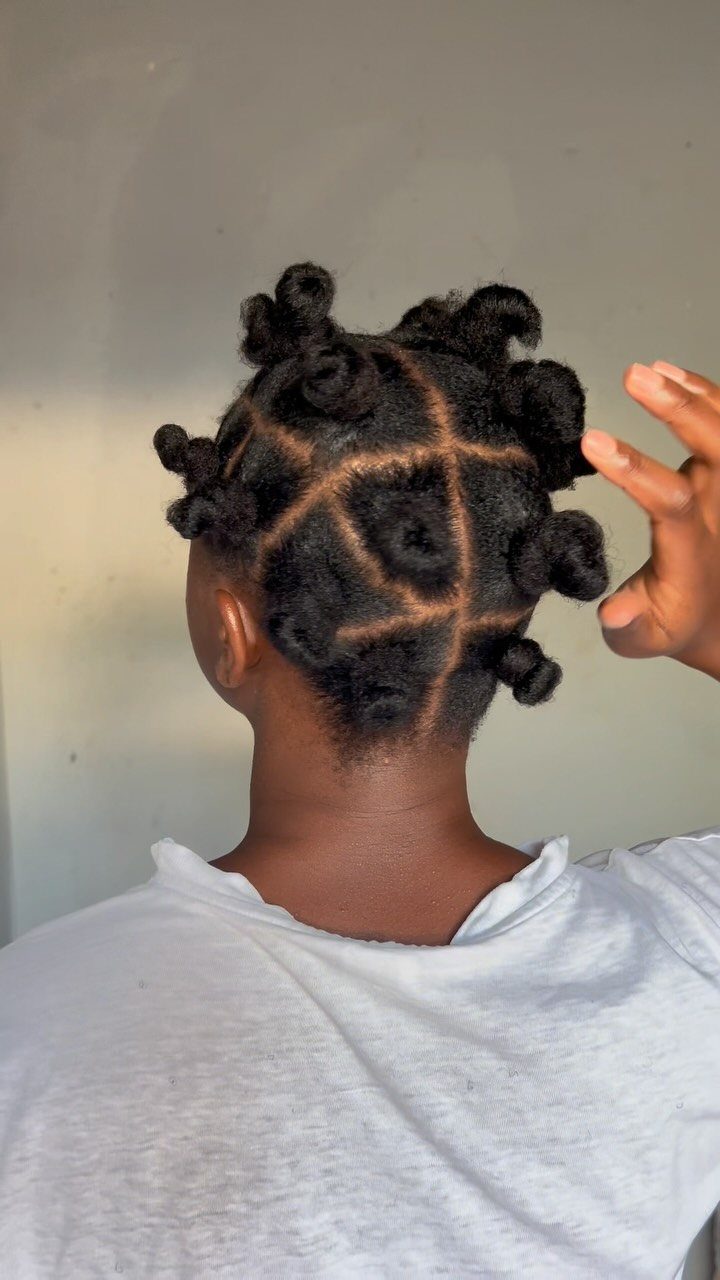
Bantu knots coil each section of hair into a small, tight knot against the scalp, and the geometric parting in this look makes the grid as much a feature as the knots.
Take the knots out and the hair reveals defined curls, so one style gives you a protective week and a heatless curl set.
Part clean, even sections with a rat-tail comb and keep each knot snug without tugging at the roots.
Smaller knots give tighter curls; larger ones give looser waves. Unravel them gently on dry hair, ideally with a little oil on your fingers.
4. Two-Strand Twists
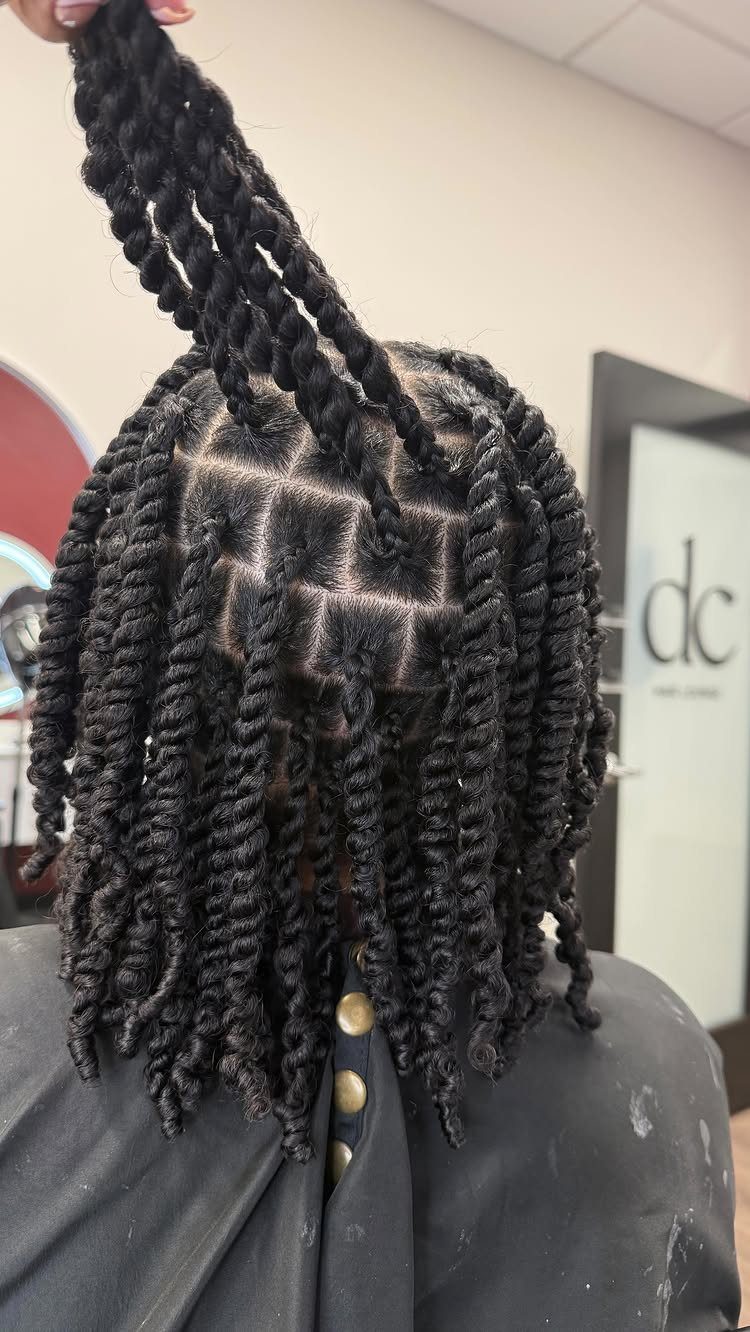
2 strands wrapped around each other make a twist, and that simple structure is why this style stays light on the scalp.
Use square partings for twists. Each twist then sits on its own block of scalp, and the weight spreads evenly instead of pulling at one spot.
Work on damp, moisturized hair and keep the twists smooth from root to tip. I prefer medium-sized sections: very small ones add tension, and very large ones get frizzy.
Seal the ends by twisting right to the bottom, since loose ends tangle first.
5. Faux Locs
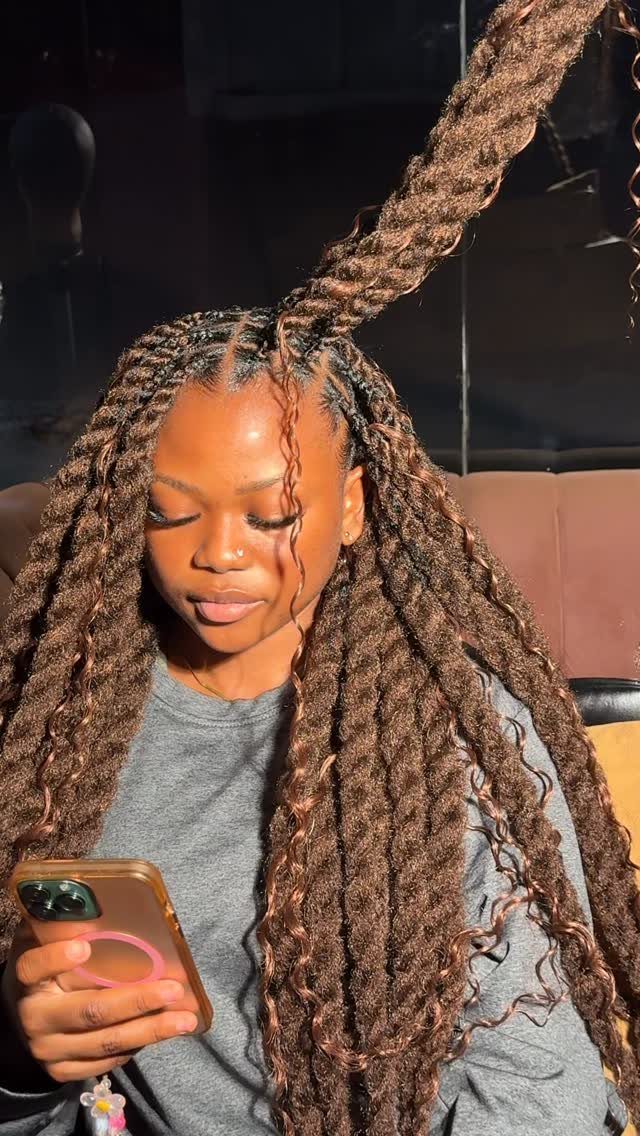
Faux locs give you the long, textured look of locs while the hair underneath stays free and protected, so you can take them out whenever you like.
Pull faux locs into a high ponytail when they feel heavy; it lifts the weight off the nape and takes strain off the edges.
That is worth doing, because heavy locs hanging all day pull on the roots.
Keep your hair moisturized and your scalp clean while you wear them, and avoid leaving the style in so long that new growth tangles at the base.
A loose ponytail beats a tight one every time.
6. Messy Updo
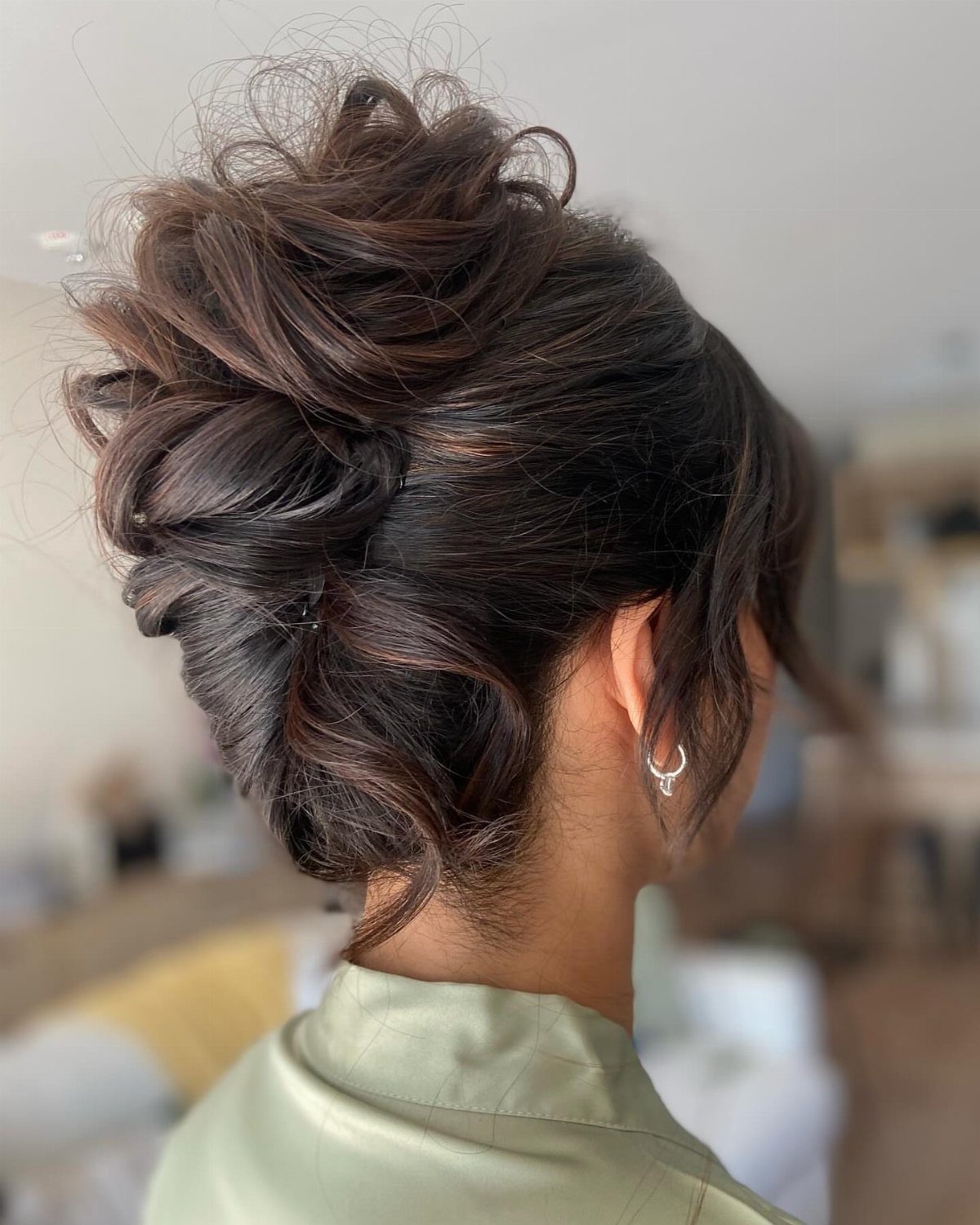
A messy updo forgives almost everything: loose curls, stray pieces and visible twists are the point, so there is no precision to chase. That makes it a good choice for second-day hair, and it takes only minutes.
Pin the hair up loosely, twisting sections as you go, and let some curls fall free.
I would use a few bobby pins rather than one tight elastic, because spreading the hold across several points keeps tension off any single spot.
Add volume by pulling the twists out a little with your fingers.
7. Braided Crown Updo
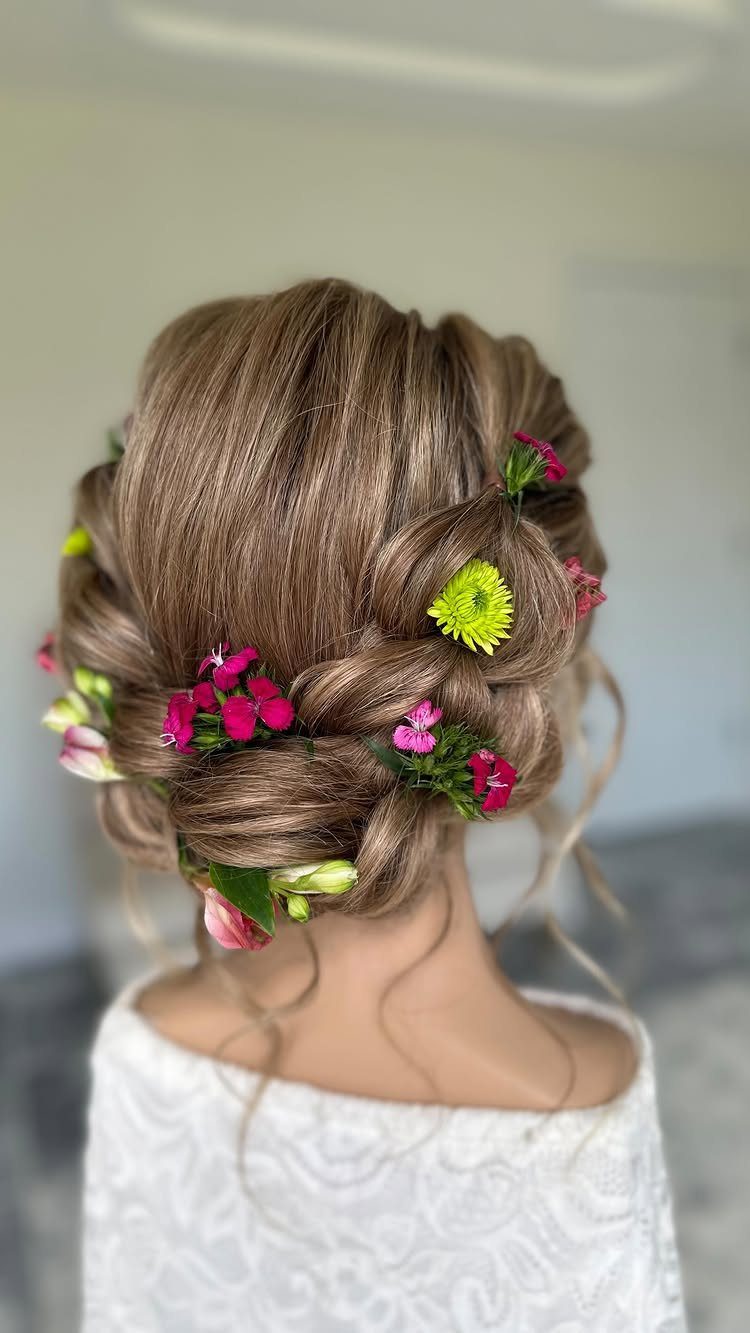
A braided crown wraps a plaited band around the head, which keeps the ends tucked under the braid and out of the way. Flowers are an easy way to dress it up, and small pins hold them without any tugging.
Braid loosely enough that the plait lies flat but never pulls at the temples. Anchor the end with a few bobby pins instead of one tight elastic.
Dry, smooth hair holds a braid well, so skip the heavy product.
8. Knotless Braids
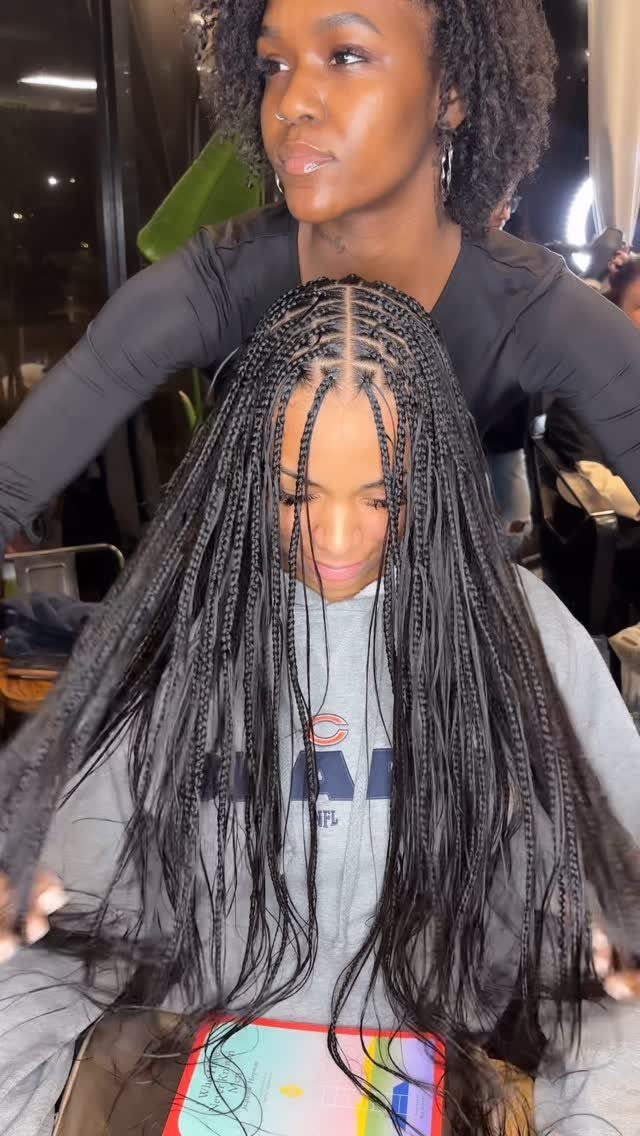
Knotless braids begin with a section of natural hair at the root, then add extension hair a little at a time as the braid travels down, so no hard knot sits against the scalp.
The result is a lighter braid that tugs less at the roots than the classic knotted kind.
The installer’s own estimate is a maximum of 7 weeks of wear, and I would treat that as a ceiling, not a goal. Take them down before new growth starts to tangle at the base.
Ask for medium sections: smaller ones add tension at the roots.
9. Crochet Braids
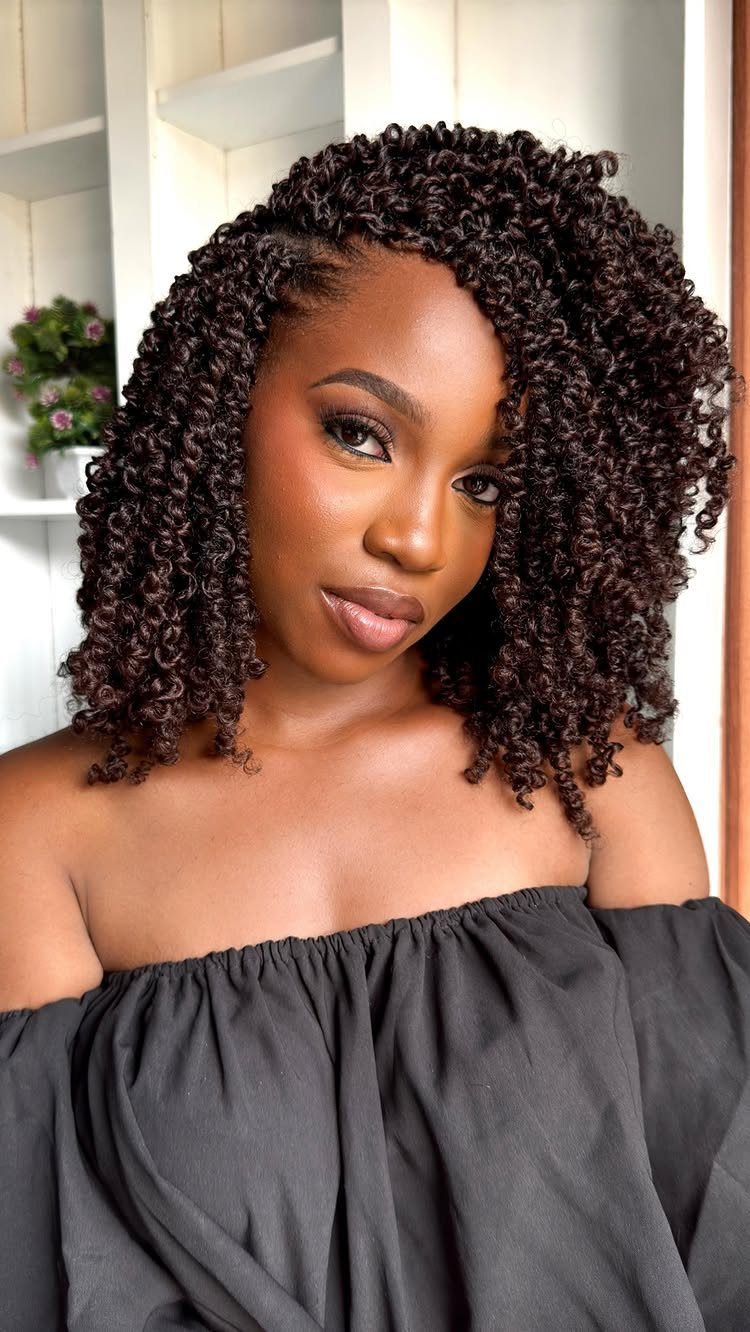
Crochet braids skip the long braiding session. Your hair is cornrowed flat, then pre-made extension hair is looped onto the rows with a latch hook, so the install is faster and the pulling is lighter.
Curly textures like this one give plenty of volume. Keep the cornrows underneath loose enough that they lie flat, and moisturize the scalp between the rows.
I would pick lightweight hair, since heavy extensions will drag on the base.
10. Headwraps
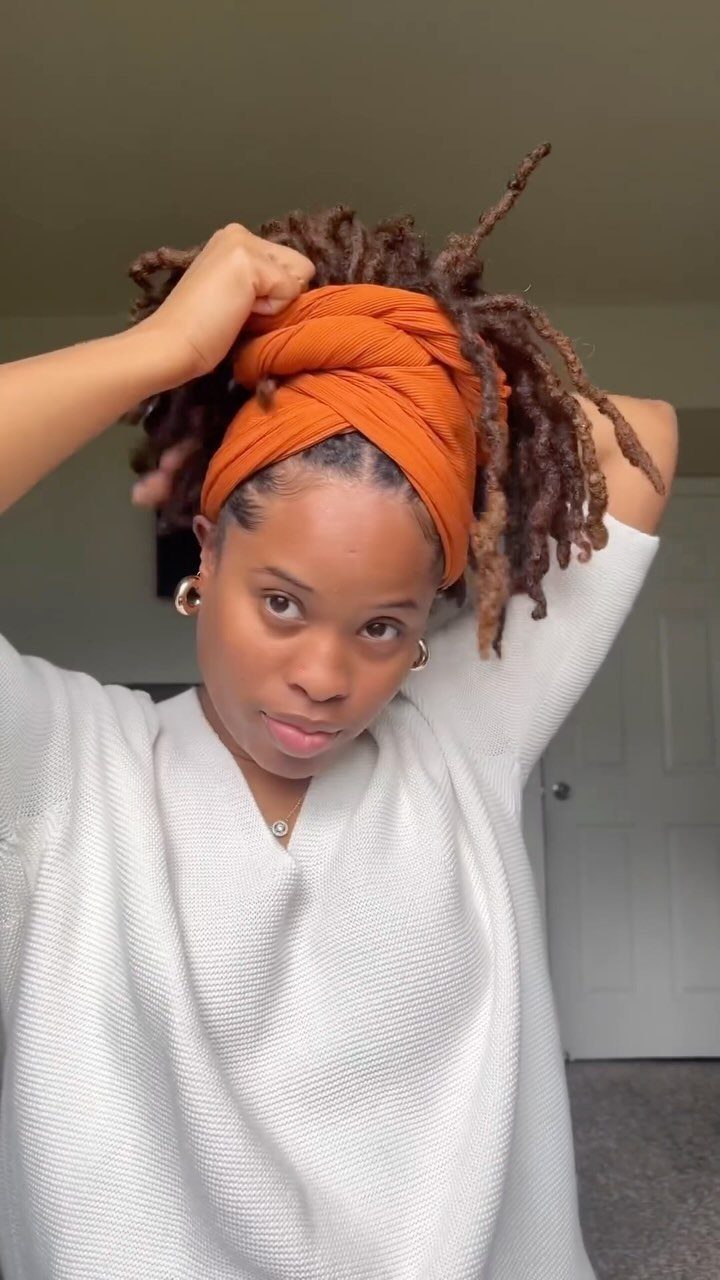
A headwrap covers the hair in fabric, so wind, sun and rubbing against collars never touch the strands. It works over locs as easily as over loose hair.
Choose smooth fabric such as satin or silk-feeling cotton, since rough weaves snag. Tie it snug enough to stay put but never tight across the forehead, where the hairline takes the strain.
A wrap also hides a rough hair day, which is half its charm for me.
11. Goddess Braids
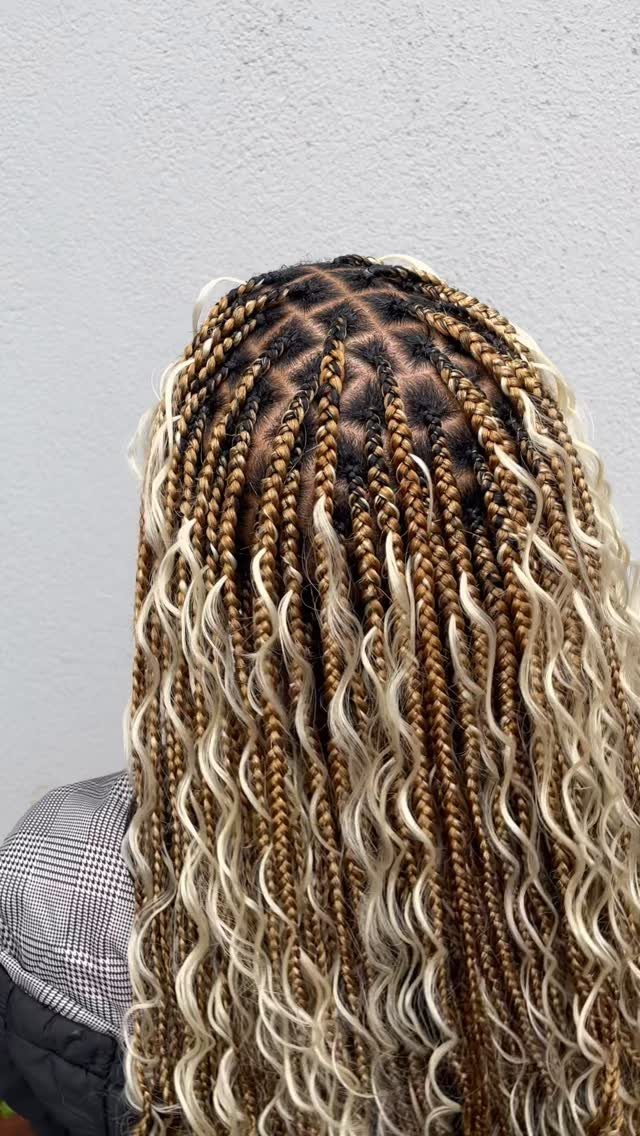
Goddess braids are thicker than standard braids, so each one covers more hair and the style needs fewer of them. The braided roots with curly ends are my favorite version, because the loose ends add softness.
Thicker braids can get heavy. Ask for sections sized to your hair’s strength, and keep the roots comfortable instead of tight.
Wrap the braids at night, as the curly ends tangle first.
12. Marley Twists
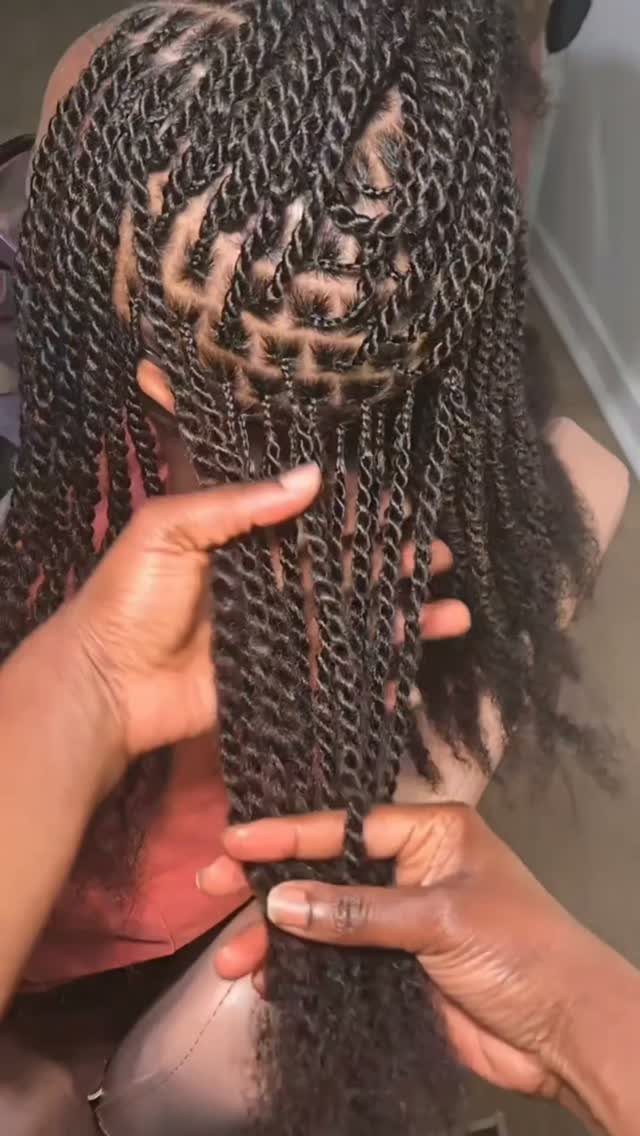
Marley twists get their name from Bob Marley and his long dreads, and the hair used is crimped and textured to echo that look. Two-strand twists made with it come out full, with a soft, matte finish.
Have the parts cut clean and even, as in this look, so each twist sits on its own block of scalp. Keep them light, since extension hair adds weight.
I would moisturize the scalp weekly and avoid leaving the twists in too long.
13. Senegalese Twists
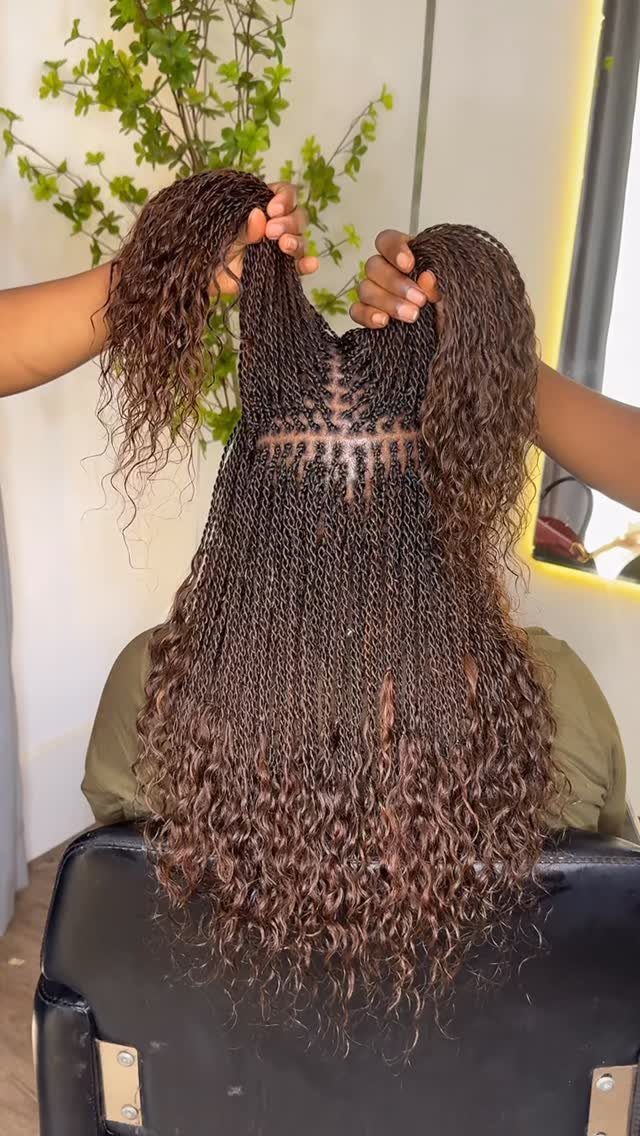
Senegalese twists are smooth, rope-like two-strand twists that work on natural hair or with extensions added, at nearly any length. Long twists get heavy, so split them into 2 sections and lift them off the neck whenever they pull.
I would keep the roots comfortable instead of tight, since the hairline takes the strain first.
Moisturize your scalp between wash days, and wrap the twists at night so the ends stay smooth.
14. Cornrows
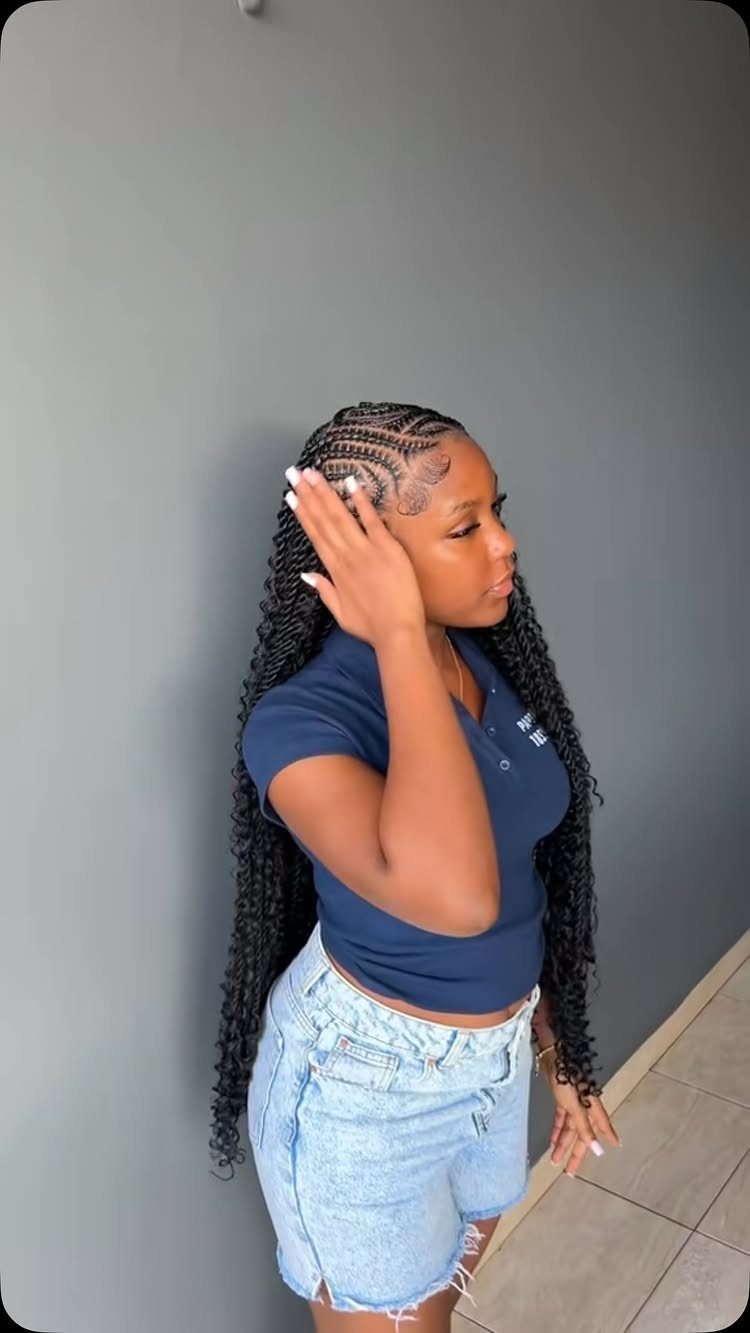
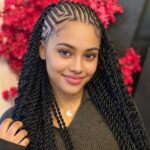
Cornrows are braids laid flat against the scalp in rows, and the pattern is yours to pick: straight back, curved, or just on top with the length left loose and curly, as here.
I like the partial version best for healthy hair: the long curls rest from daily styling while the rows keep them in place.
Keep the rows snug but never tight; if your scalp stings or your edges feel pulled, ask for them to be redone. Moisturize between the rows.
15. Silk Scarf Ponytail
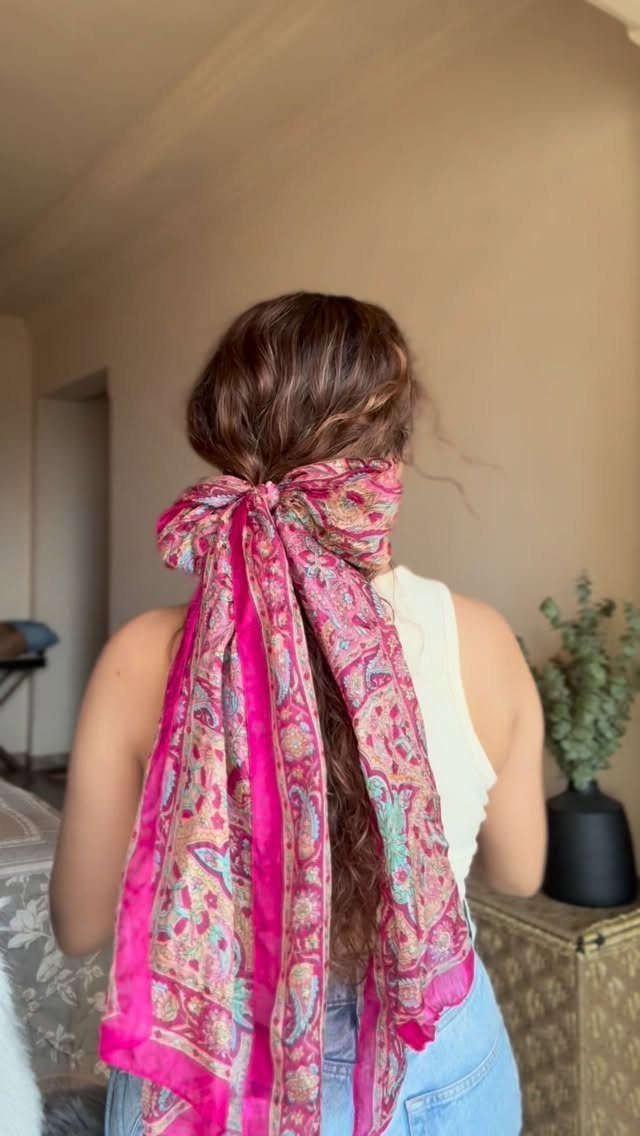
A silk scarf in place of an elastic keeps the hold soft, so a ponytail never grabs and snaps strands.
Gather the hair loosely at the nape or crown, wrap the scarf around the base of the ponytail twice in place of an elastic, and tie it into a bow.
The maker of this version says the bow stays in place, which is the usual complaint with scarves. I would pick a larger scarf, since it gives more fabric to knot and a fuller bow.
Slide the scarf up or down a little each day so the same strands don’t take the pressure.
16. Half-Up Twisted Braids
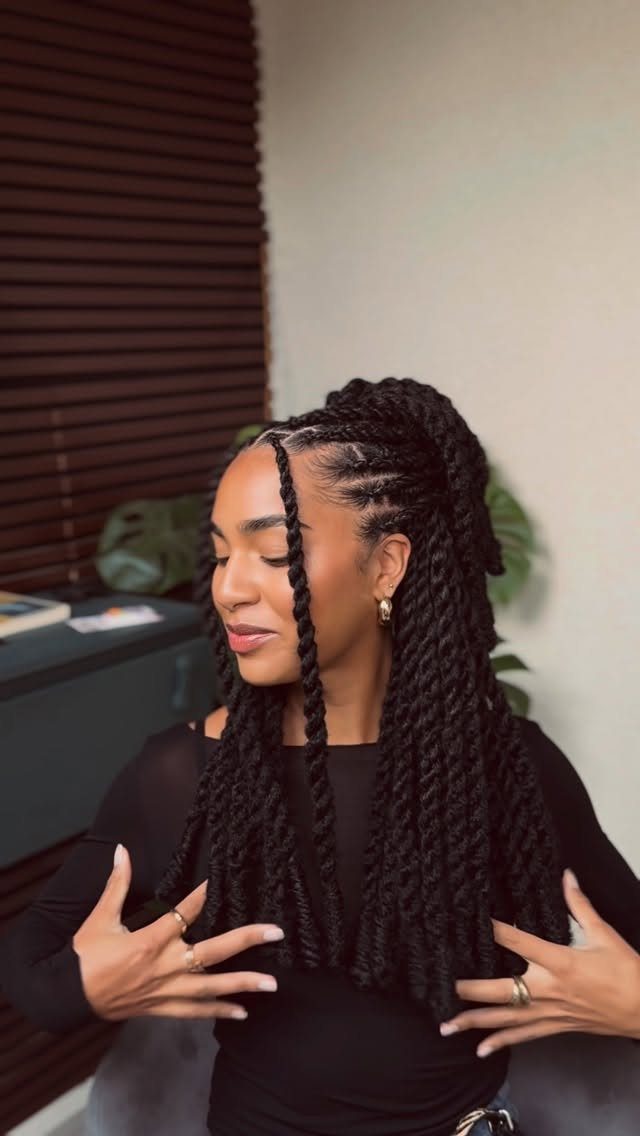
Half-up twisted braids pull the top section of long braids away from your face and leave the rest hanging. The weight is split, so the nape and the edges carry less than they would in a full down style.
Gather only the front and crown sections, then secure them with a fabric-covered elastic or a clip. A clip is easier on braids, in my view, since it needs no tight wrap.
Change the placement now and then so one spot doesn’t bear all the weight.
17. High Textured Bun
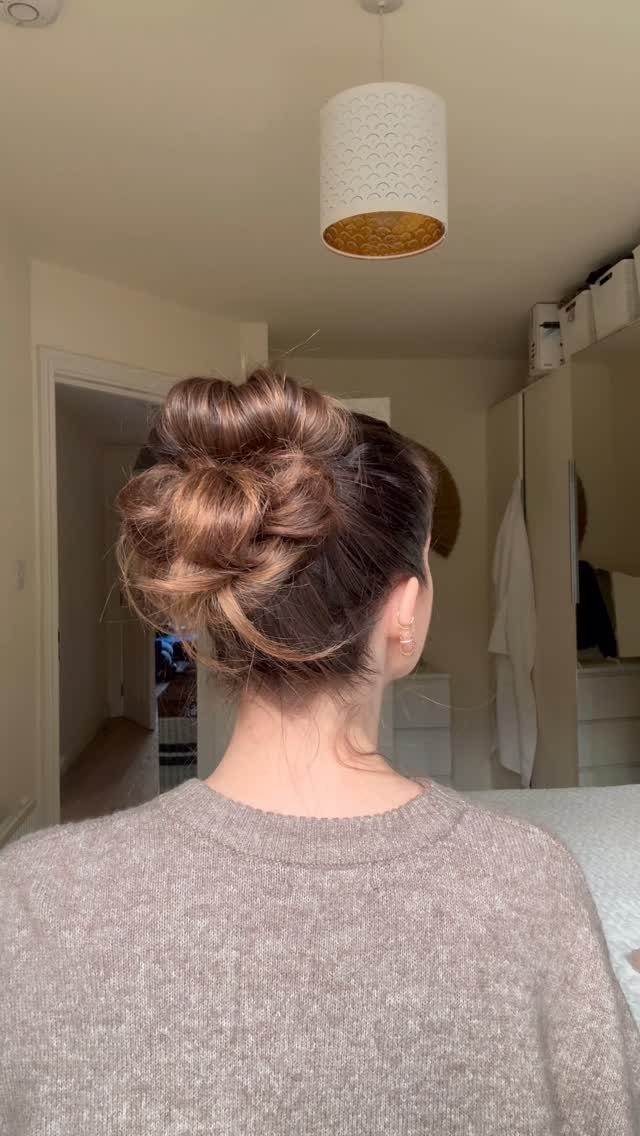
Volume is what a high textured bun is for, so keep the hold loose: gather the hair at the crown, twist it once at the bottom of the gathered section, and secure it with a snag-free elastic or a few pins.
Pull the bun out a little with your fingers instead of cranking the elastic.
Maintenance Tips
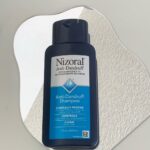
Sweat, product and oil build up under a style just as they do on loose hair, and a dirty scalp itches and flakes.
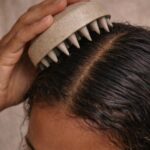
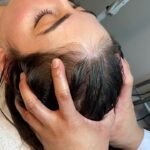
Moisture comes next. A light oil or scalp treatment works best worked in with the pads of your fingers, not your nails, and a few drops cover it.
If the lengths start to feel dry, a few spritzes of leave-in conditioner spray bring back softness without leaving the whole style wet.
Night protection finishes the routine. Cover your hair before bed so it stays smooth and doesn’t rub on the pillow.
Keep the routine simple and steady. A few minutes each week does more than an occasional heavy session.
Risks of Tight Styles
Tension is the problem with tight styles: it can cause traction alopecia and an irritated scalp, and the thinning creeps in slowly before you see it.
Pain, stinging and bumps are signals to loosen or remove the style that day, not to wait it out.
Comfort is the test. If you can’t relax your face or sleep without wincing, the tension is too high, and the hairline and follicles are paying for it.
If tension is your worry, I’d pick the easiest-going options: loose twists, halo braids, or flat twists that barely pull at the edges. Leaving your edges out of cornrows or crown twists also keeps strain off the most fragile hair.
“Natural hairstyles do not inherently damage hair; rather, improper styling techniques, products, or tools cause damage, not the styles themselves,” says Ladosha Wright, a trichologist and RevAir’s resident expert.
— Glamour
Frequently Asked Questions
What is the healthiest hair style for your hair?
The healthiest style is one that keeps tension low and handling minimal. Low buns, low ponytails and loose twists fit that description, since they tuck the ends away and pull lightly on the hairline.
What’s the least damaging hair style?
A low bun or low ponytail is the gentlest everyday option.
You brush once, gather once and leave it alone, so fewer strands snap, and a bun also keeps the oldest, driest ends away from collars. Use a snag-free or fabric-covered elastic, and keep the hold snug but never strained.
What are protective hairstyles?
A protective style hides the ends and keeps your hands out of your hair day to day, and less handling means fewer snapped strands.
Buns, twists, braids, cornrows and headwraps all qualify. Ends are the oldest hair on your head and the weakest, so keeping them away from rubbing fabric, wind and sun is how you hold on to length.
How long should you keep protective styles?
Braids generally last 4–8 weeks and twists 2–6 weeks, though I treat those as ceilings, not goals. 7 weeks is my limit for knotless braids; past that, regrowth at the roots starts to knot up.