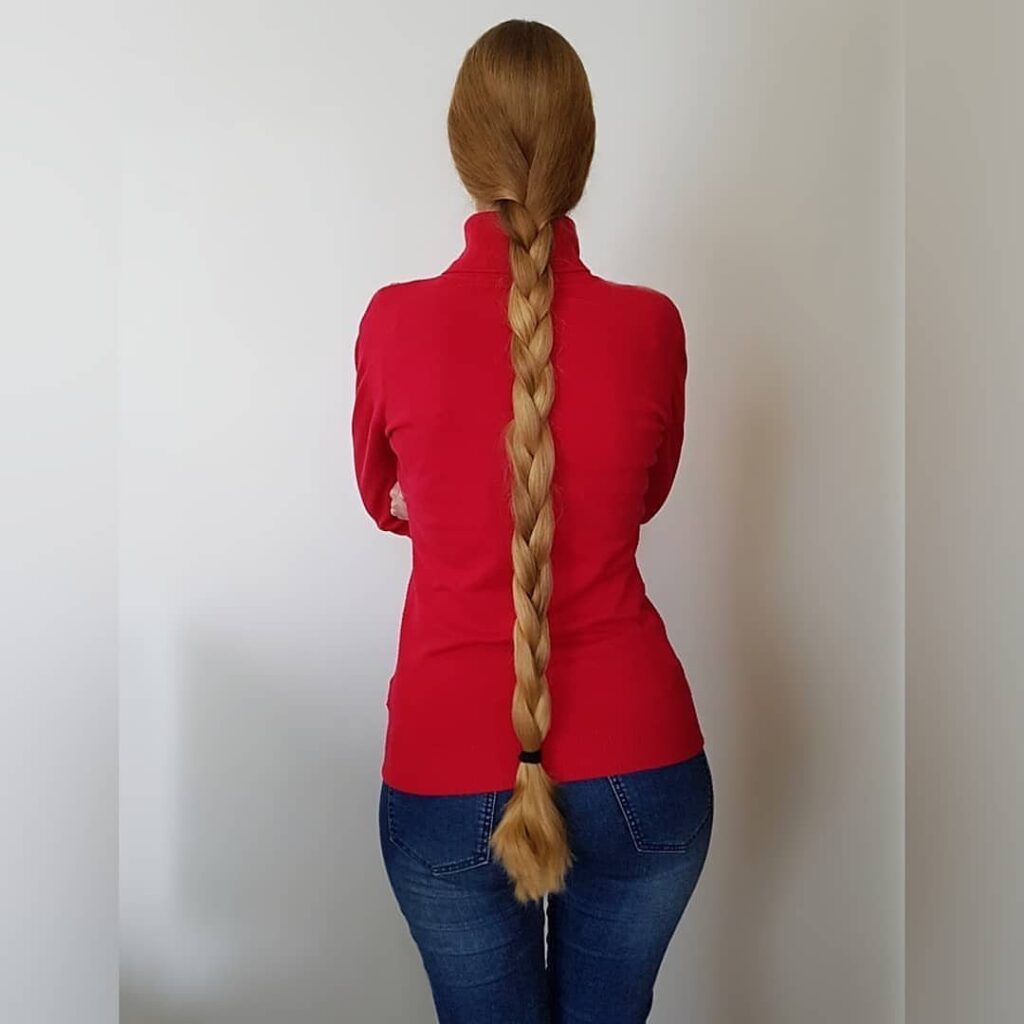
Whether a braid weaves in new hair or doesn’t is what sorts these 5, and it should decide where you start: a plain English braid adds nothing along the way, so it takes the least time and teaches the over-and-over rhythm every other braid builds on.
French and Dutch braids pick up hair from both sides, and the pull-thru skips weaving altogether and uses a ponytail split in 2.
The side braid is the plain three-strand version resting on one shoulder. Pick the weave-free ones if your hands are new to this, and the pickup braids once the rhythm feels natural.
1. French Braid
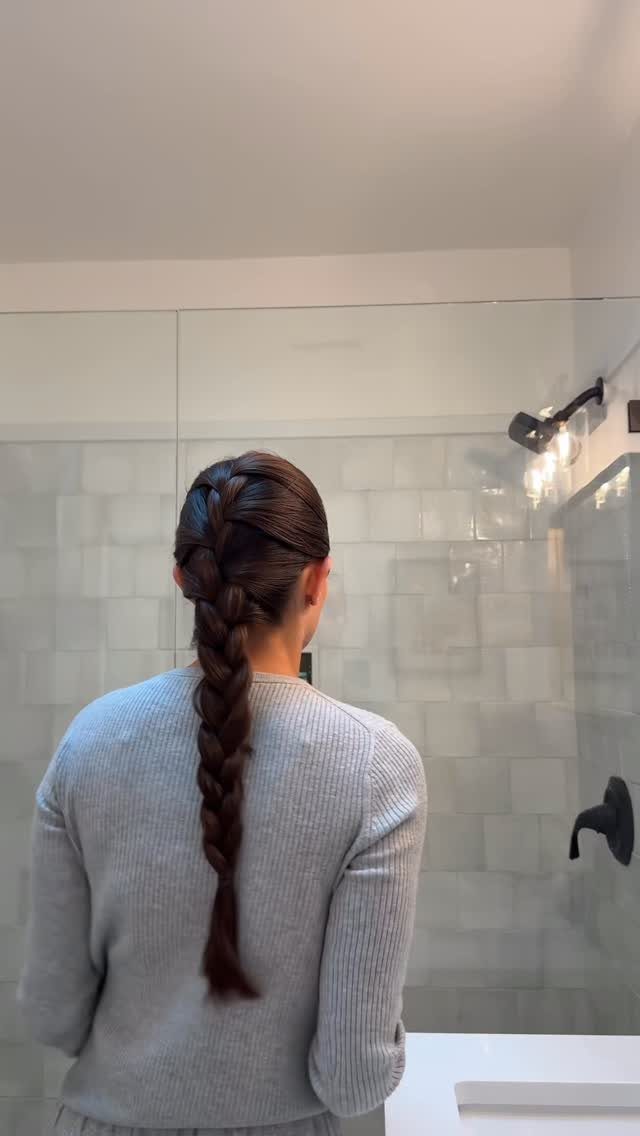
A French braid starts at the crown and picks up a little hair from each side with every crossover, so the braid sits snug against the head instead of hanging loose.
For a first try, brush out every tangle and work with small pickups.
Thin sections keep the braid tidy, and tight, even tension matters more than speed. Once you run out of side hair, finish with a regular three-strand braid and an elastic.
Practice on dry, smooth hair before you try it on damp hair.
2. English Braid
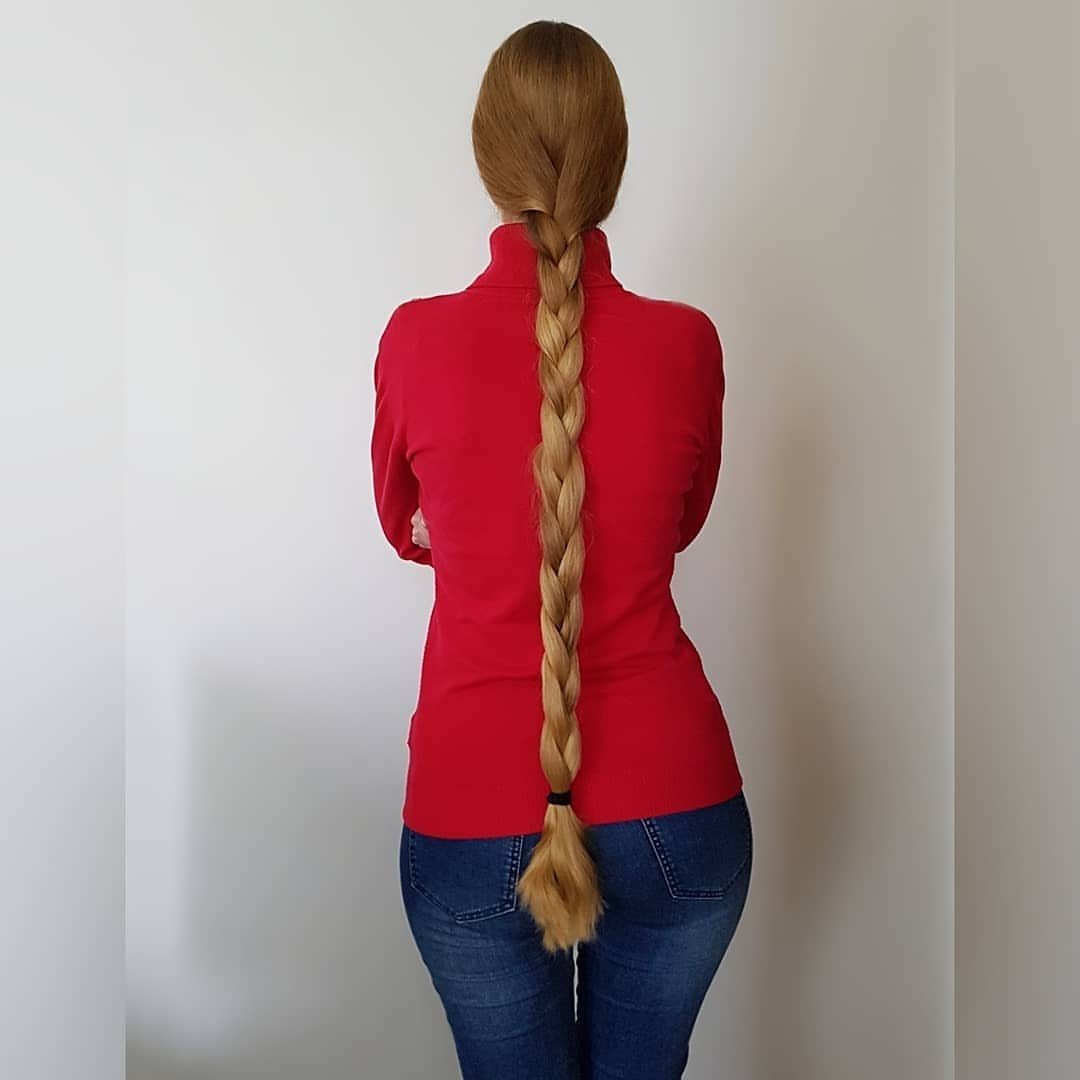
Plain three-strand braiding is the easiest place to start, and it looks good on long hair worn down the back, as this one does.
Split the hair into 3 equal sections.
Cross the right strand over the middle, then the left over the new middle, and repeat to the end. Secure it with an elastic.
Because nothing gets added along the way, it takes the least time of any braid here. I would learn this one first, since every other braid builds on the same over-and-over rhythm.
3. Dutch Braid
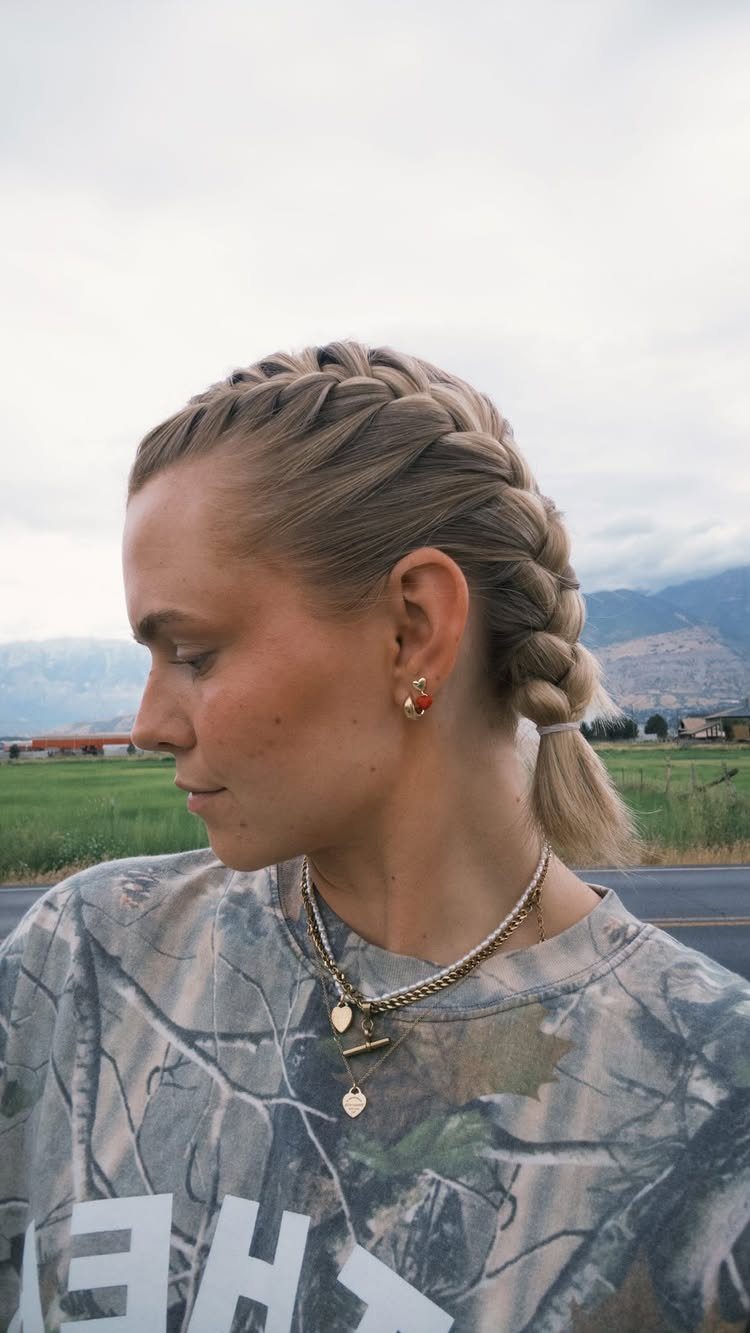
Crossing the strands under the middle one, instead of over, is the whole difference with a Dutch braid, and it makes the braid stand up on top of the hair like a raised rope.
Start the same way as a French braid, but tuck each outer strand beneath the center. Small side pickups keep it neat.
Your hands will want to default to over, so go slowly for the first few crosses. I like this one for a thick, bold braid, and it holds its shape well down the back.
4. Pull Thru Braid
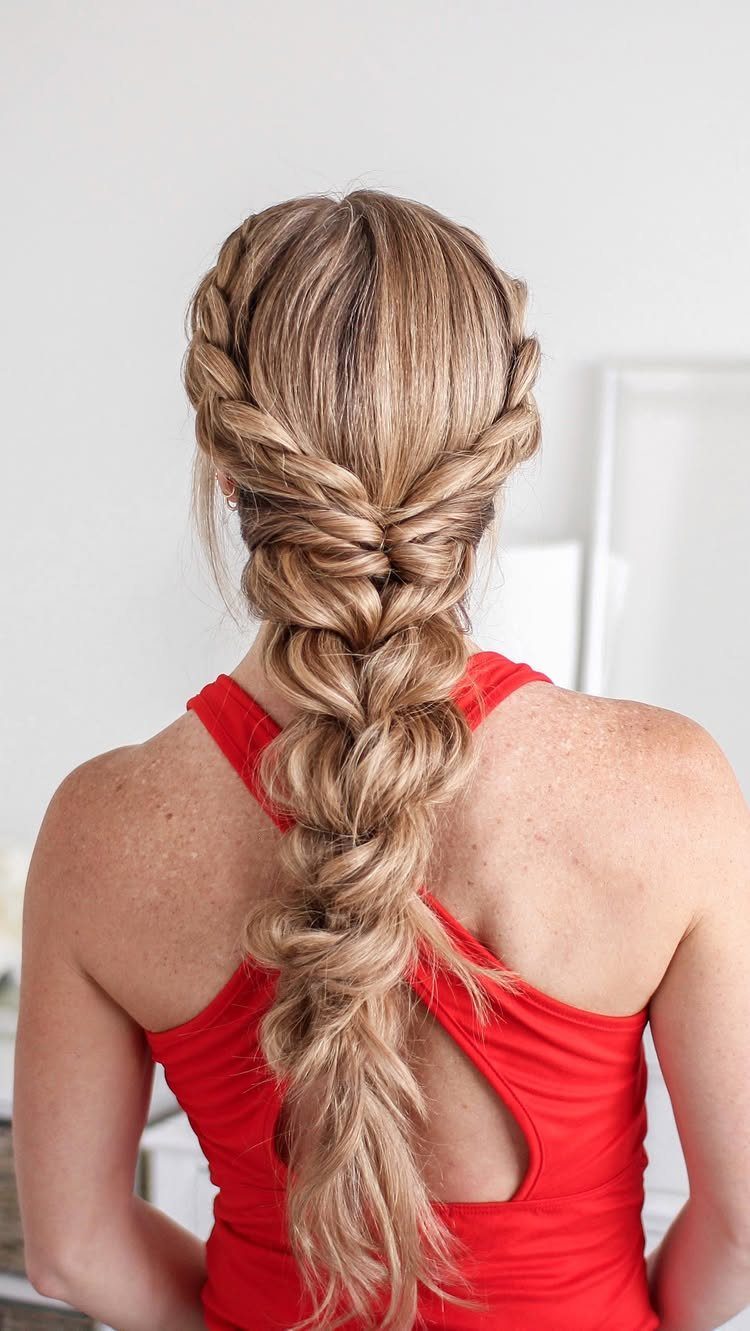
Pull-thru braids skip the weaving and use ponytails instead, so beginners often find them easier than a classic braid.
Start with a ponytail, split it in two, then pull the next section of hair through the gap above the elastic.
Repeat down the length. Loosen the loops with a gentle tug at the end for the fuller, flowing shape.
I would pick this when you have a few spare minutes and want a lot of volume for little effort.
5. Casual Side Braid

Easy as it looks, a side braid is a three-strand braid worked off to one side and left to rest on one shoulder.
Gather your hair at the nape and tilt it toward the shoulder you want.
Braid to the ends, then secure with an elastic. For a softer, more relaxed finish, gently pull at the edges of each loop.
It is my pick for a morning when you want hair out of the way but still look put together.
Hair Styling Tips
Dry shampoo gives slick, clean hair some grip, so sections stay put instead of sliding out of your fingers. Follow the directions on the bottle, and brush out every tangle first.
An anti-frizz cream handles the flyaways. Rub it between your palms before smoothing it over your hair; a little more than a dime-sized amount works for longer hair, but stop before the hair feels greasy.
Beginners usually get cleaner results braiding dry, smooth hair, since damp strands stretch, tangle and slip out of your grip, so save wet-hair braiding for after you have the pattern down.
Practice that way, then move to dry hair once the rhythm feels natural.
For a braid that starts at the hairline, begin with a small section about an inch tall along your part. Pull hair in only from the face side at first, and make each added section a bit larger.
Around ear level, begin adding hair from the back section as well, so the braid gathers strands from both sides and the nape. Bobby pins can hold any stray ends in place.
Recommended Tools
Keep the kit small: a brush, a pack of hair elastics, and bobby pins. A leave-in conditioner is the fourth item, and it does more than people expect, since smooth, detangled hair braids more evenly.
Choose elastics that match your hair color or blend in, and skip any with metal bits that snag. Keep a few bobby pins nearby for flyaways and loose ends once the braid is done.
Brush before every attempt. Tangles are the most common reason a braid looks lumpy.
Practice Advice
Your first braids may come out lopsided, and that is normal. A basic braid gets easier with repetition, and once the hand motion settles, the fancier versions feel far less intimidating.
Watching a tutorial video while your hands copy it helps, because you can pause on any step that trips you up.
Practice in short sessions on a day you have no plans, so a messy result costs you nothing. If a braid comes out uneven, take it out and start again.
Frequently Asked Questions
How do you give yourself one braid?
Brush out every tangle, then gather your hair toward one shoulder. Tie off the tail with an elastic after a basic three-strand braid, and tuck any loose ends under with bobby pins.
What is the easiest braid for beginners?
A plain three-strand braid is the easiest to learn. A pull-thru braid is a close second, since it uses ponytails instead of weaving.