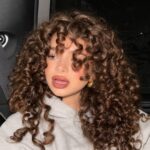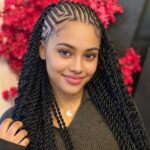
Undertone decides which of these browns is yours, more than depth does: warm skin takes chestnut and toasted caramel, cool or neutral skin does better with dark roast or dark ash brown.
Shades here span from Nearly Noir at the dark end to Light Cocoa at the light end, and upkeep ranges from a single all-over color to the highlighted looks, like Chocolate Brown with Caramel Highlights, that need more frequent visits.
1. Chestnut Brown
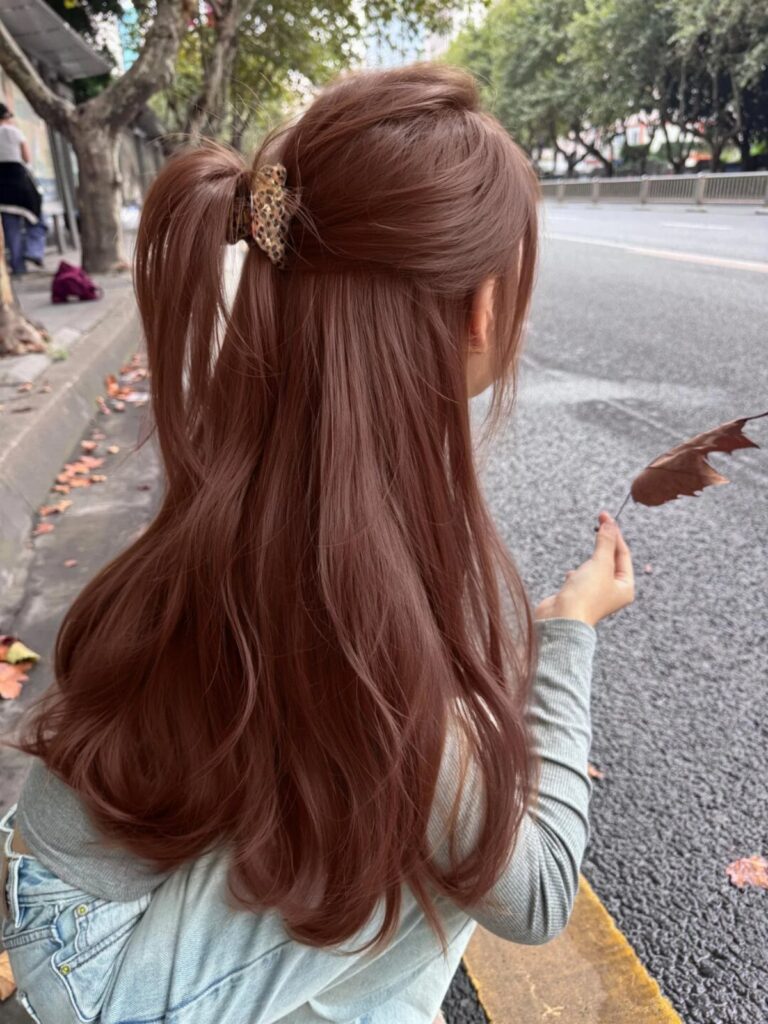
Chestnut sits where brown starts to pick up warmth: a soft red-gold glow rather than a flat dark shade. On long, loose waves like these, that warmth shows in the bends of each curl.
For light skin, I like chestnut because it adds color to the face without the harshness of jet brown.
Request warm chestnut accents at the salon, and bring the photo so you and the colorist agree on how much gold or red goes in.
2. Spiced Chocolate
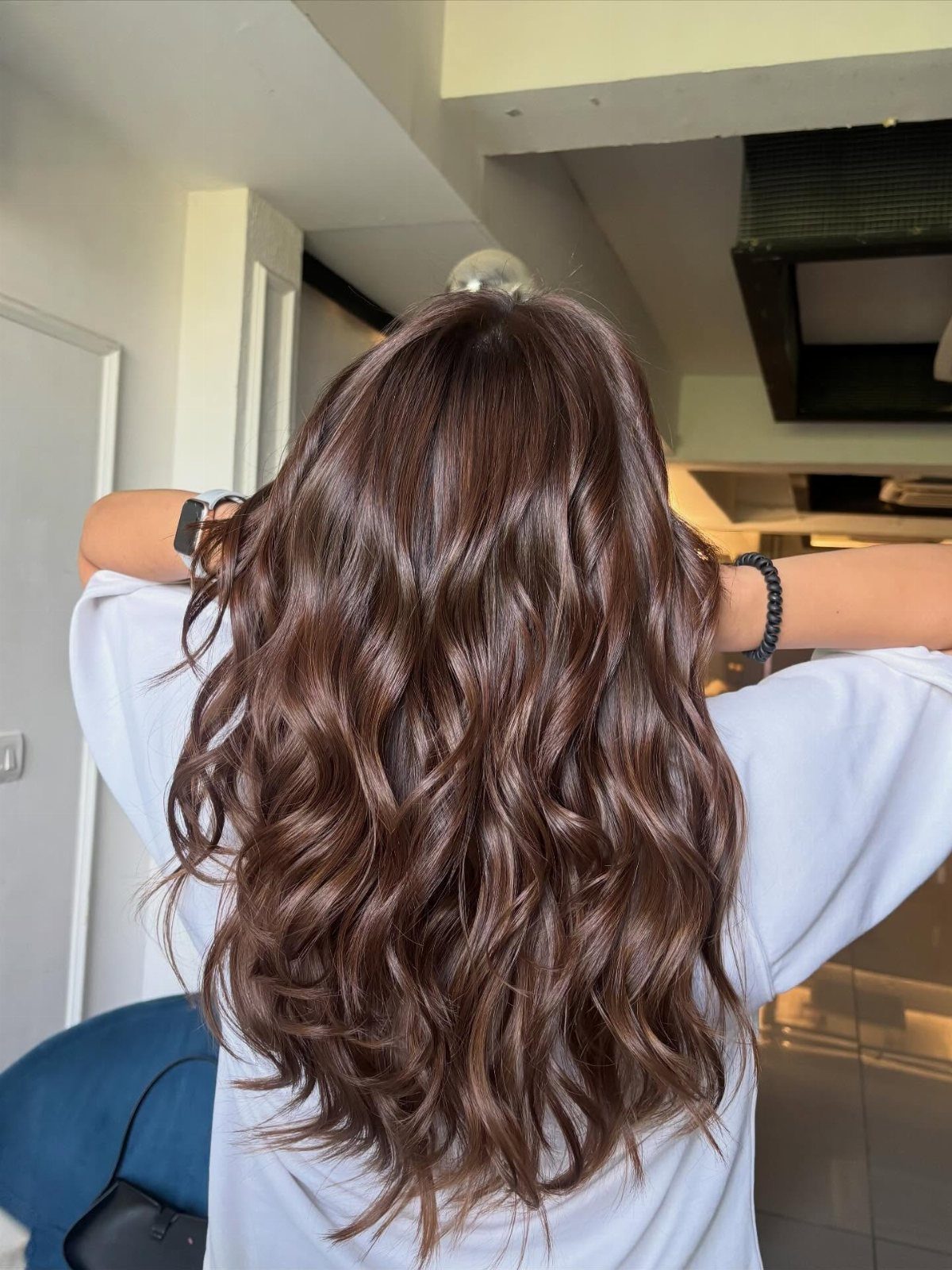
Deep chocolate with a hint of spice is what I’d ask for if green or blue eyes are the feature you want noticed. The darker base makes the eye color stand out by contrast.
Say "spiced chocolate" and mention the depth you want, then show the photo. Long waves like these keep the shade looking rich rather than flat, since the curve of each wave catches light differently.
3. Chocolate Brown with Caramel Highlights
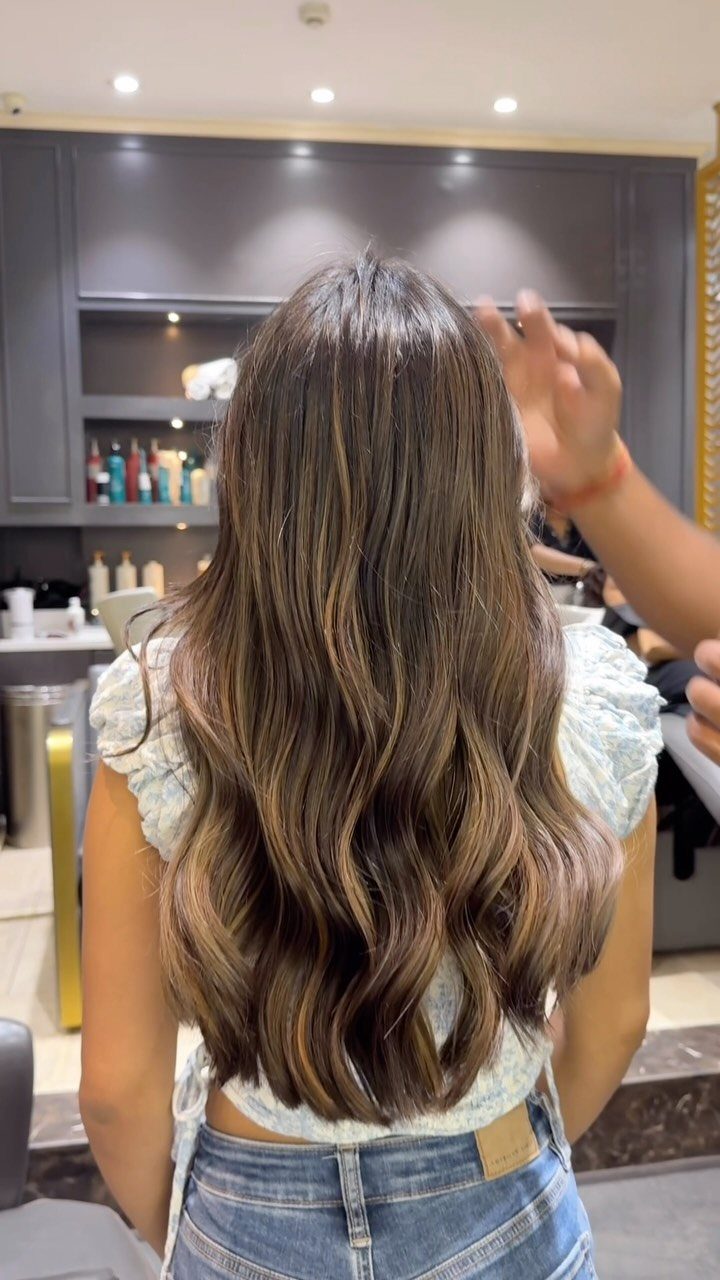
Caramel highlights over a chocolate base give you richness with only a little brightness, which is why this one reads as warm rather than striped. Subtle is the word to repeat at the salon.
If you want the highlights to look like sun, not stripes, ask for them to be fine and kept few. Wavy hair helps here, because the movement blends the 2 tones together.
4. Medium Golden Brown
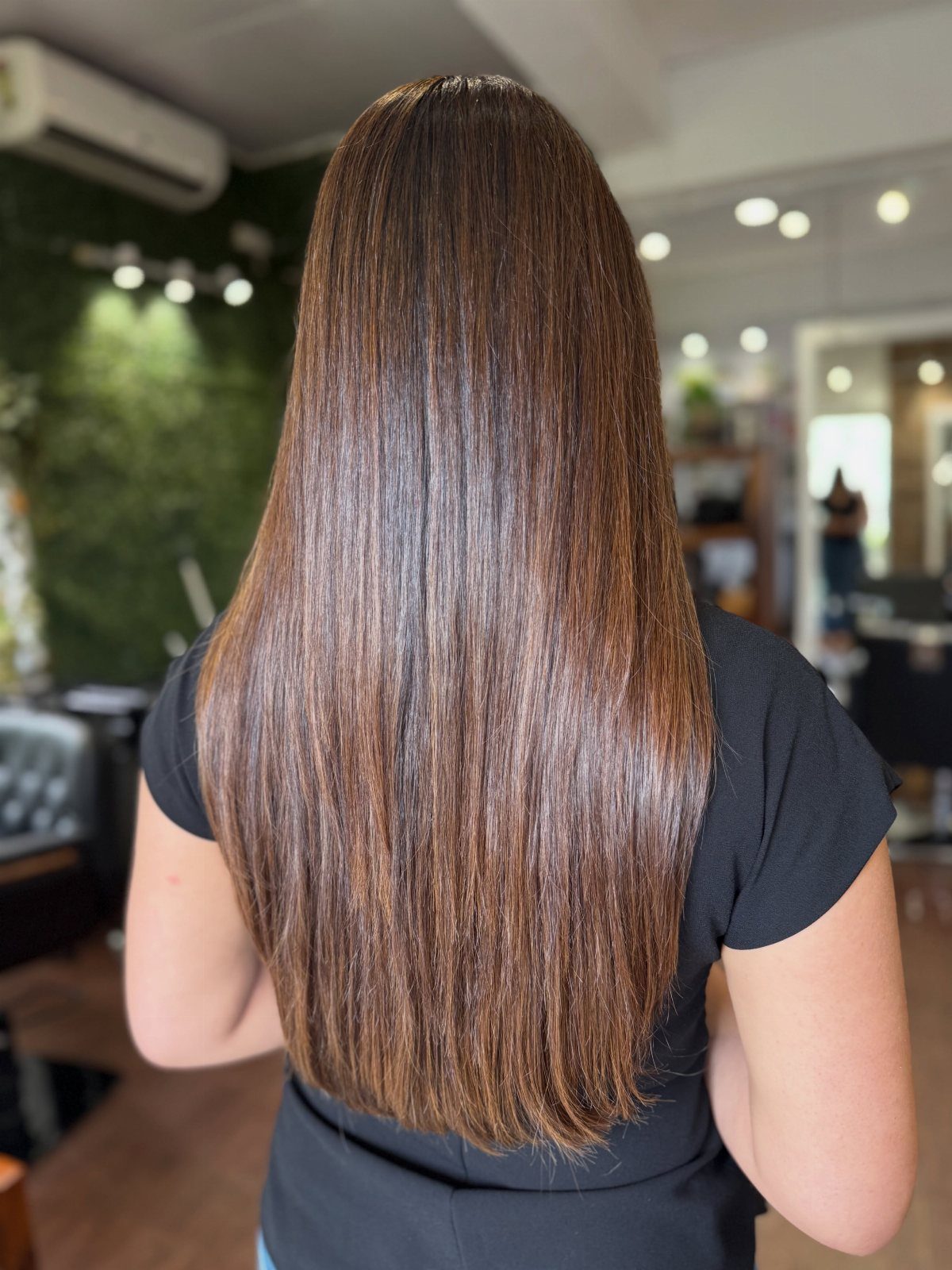
Golden highlights run through a medium brown here, and the result is gentle on fair skin. Nothing about it is stark, so the shade sits close to the face without washing it out.
Straight hair shows the gold clearly, strand by strand, so ask for the highlights to be placed evenly. I’d choose this over a darker brown if you want warmth with little contrast.
"Medium brown hair that has strategically placed golden highlights throughout is almost always flattering on fair skin," says New York City-based colorist Nikki Ferrara of Sutton Foster’s sandy brown hair color.
— Allure
5. Nearly Noir
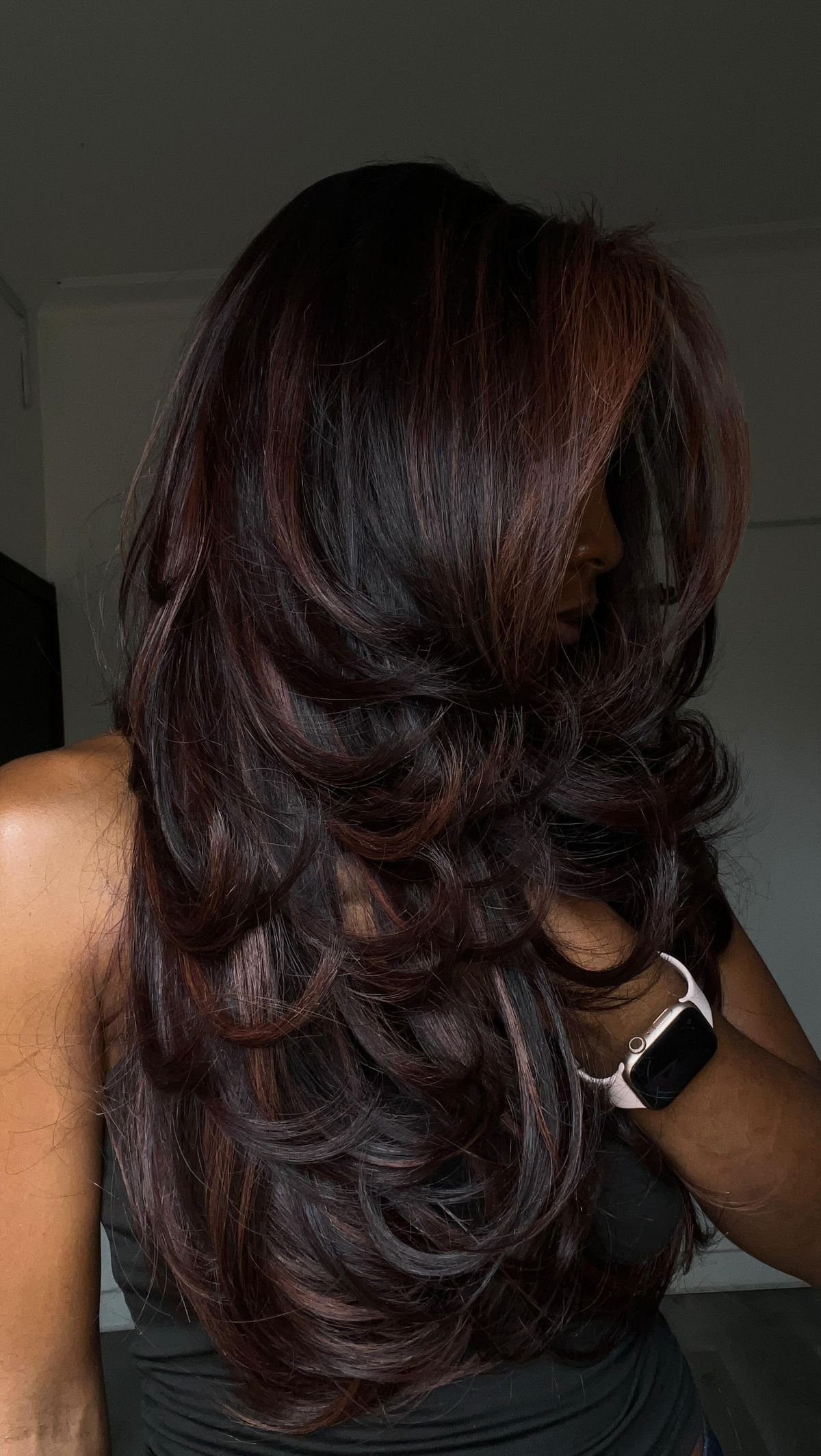
Nearly Noir is a deep brunette, close to black, with a faint reddish glint that appears only in certain light. It’s built for neutral undertones, which can carry that darkness without turning sallow.
Big curls make the red flecks flash in and out, so the style matters as much as the dye. Ask for the red to stay subtle, or the shade drifts toward burgundy.
6. Toasted Caramel
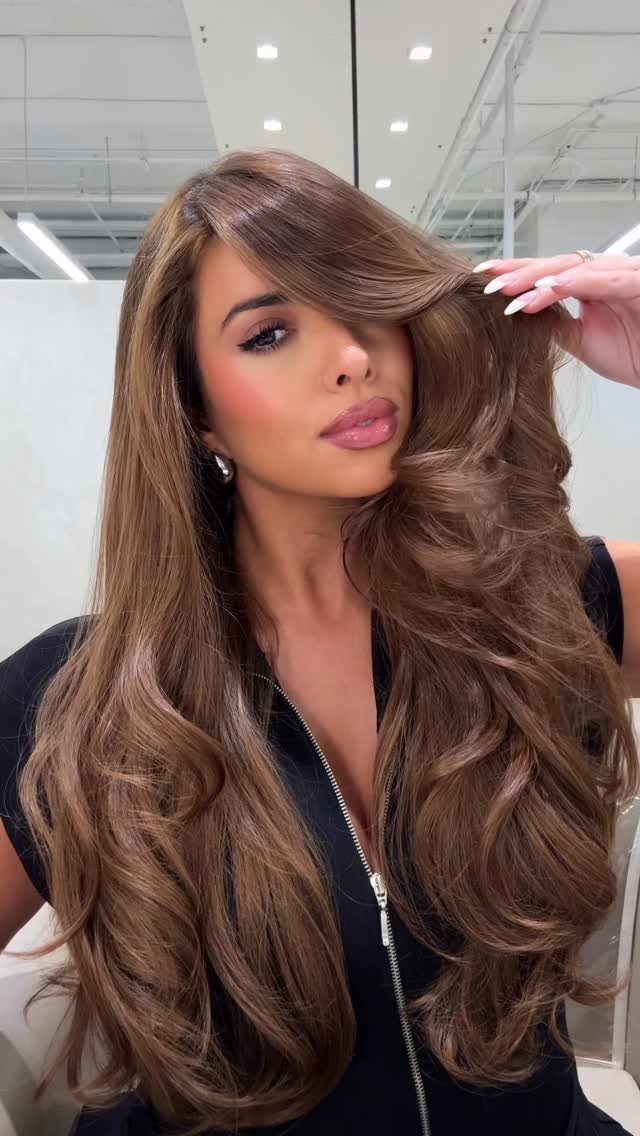
A soft toasted caramel brown is kind to angular features, since the warm, mid-light tone blurs sharp lines instead of sharpening them. That’s the main reason I’d pick it for a strong jaw or high cheekbones.
Ask for "toasted caramel" and bring a photo, because caramel can run anywhere from honey to copper. Loose waves, as here, help the color look dimensional.
7. Dark Roast
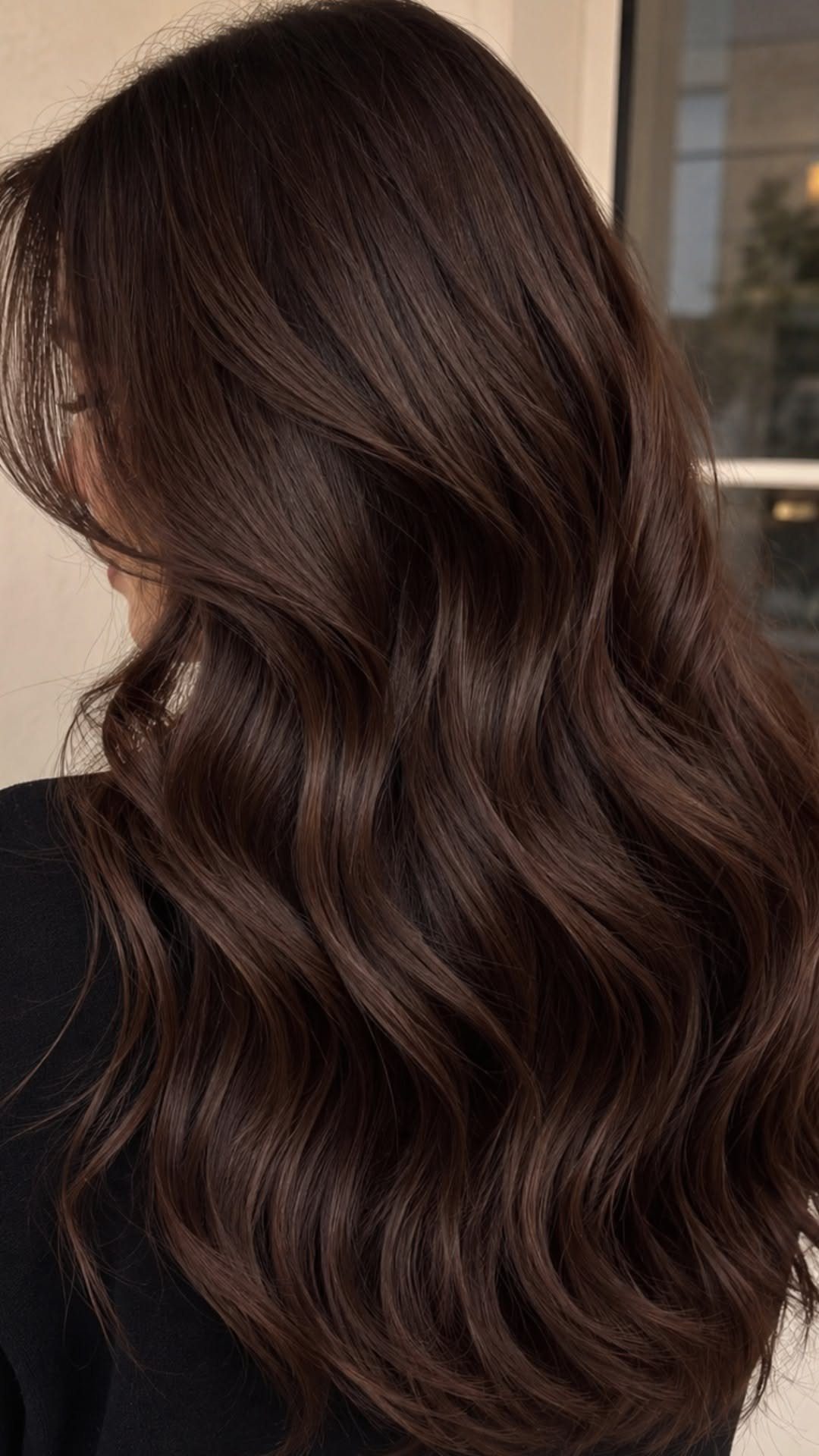
Ashy undertones are what make dark brown read cool instead of warm, and on glossy, voluminous curls like these the shine keeps that coolness from looking dull.
Ask for "dark roast" with ash toning, and bring the photo so the colorist sees how cool you want it. I’d pick this over a warmer chocolate if your skin leans neutral or cool.
8. Light Cocoa
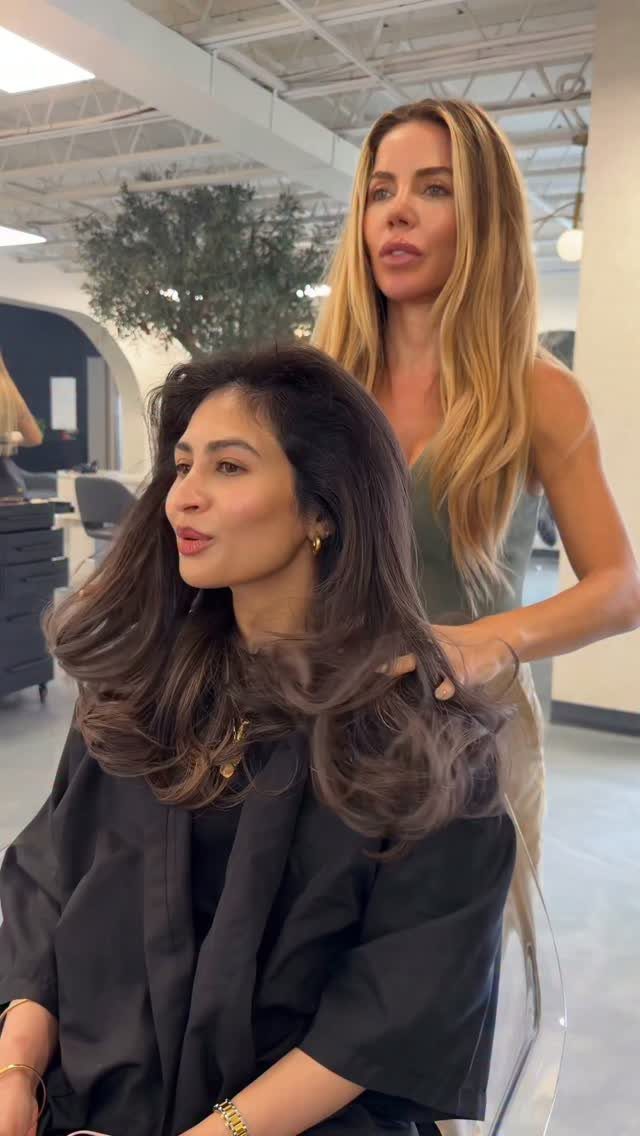
Light cocoa is a brunette you could believe grew in naturally: soft, mid-light, and never so pale it tips into blonde.
For a cool version, ask the colorist to lift the hair to a clean pale base before toning, rather than pouring warmth into the formula.
That was the maker’s own approach, and I agree with it, since cool tone depends on a clean base. Mention "level 8" and "cool" when you book.
Full, voluminous styling, as here, keeps a light brunette from looking flat.
9. Burnt Sienna
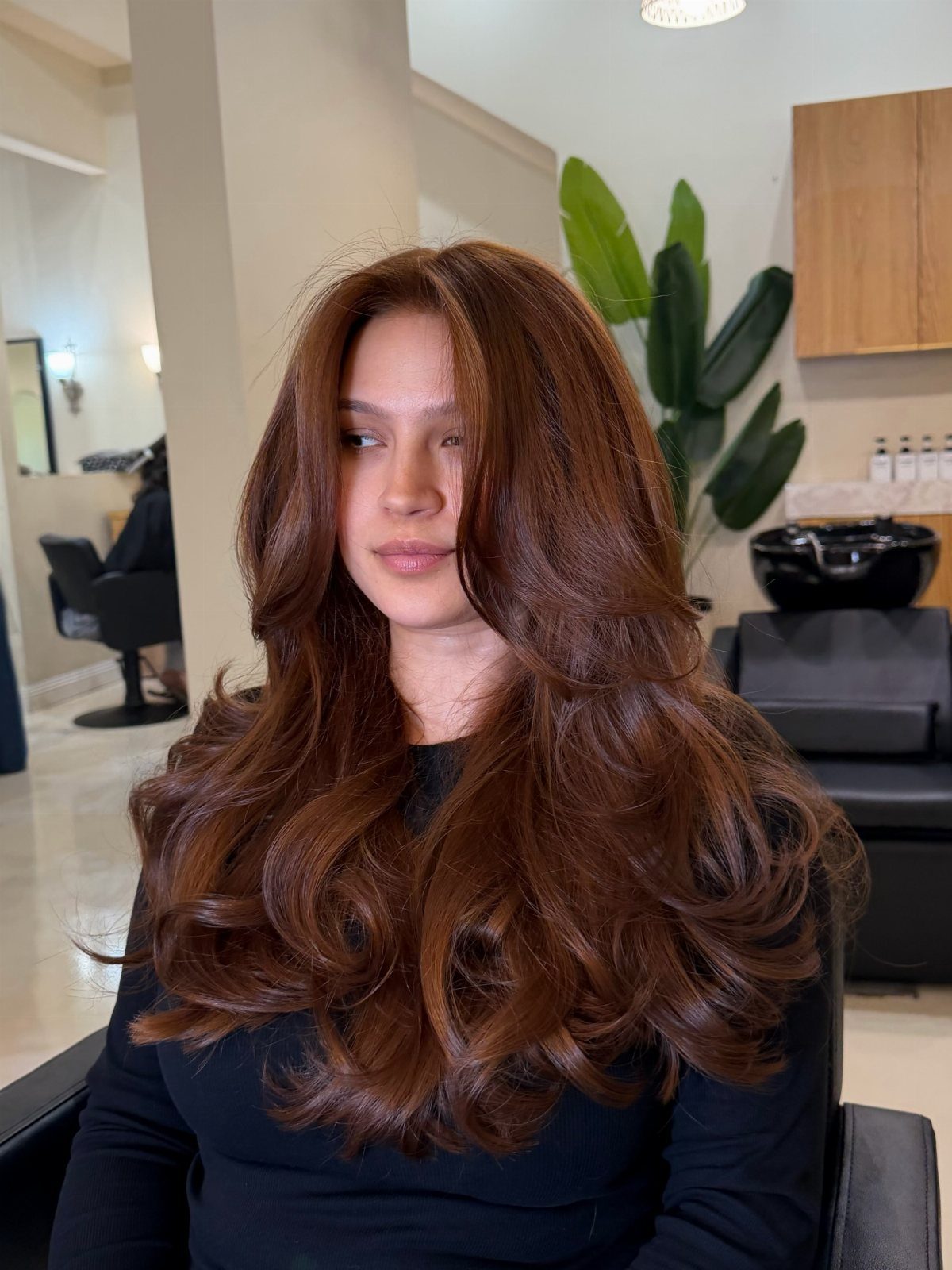
Burnt sienna lays a reddish glow over a light brown base, with highlights doing the work of making it look lit from within.
Say "burnt sienna" and ask for highlights on a light brown base, then show the photo, because red can swing from copper to rust. Long waves spread the color nicely.
I’d keep the highlights few. More of them and the red starts to look patchy.
10. Dark Ash Brown
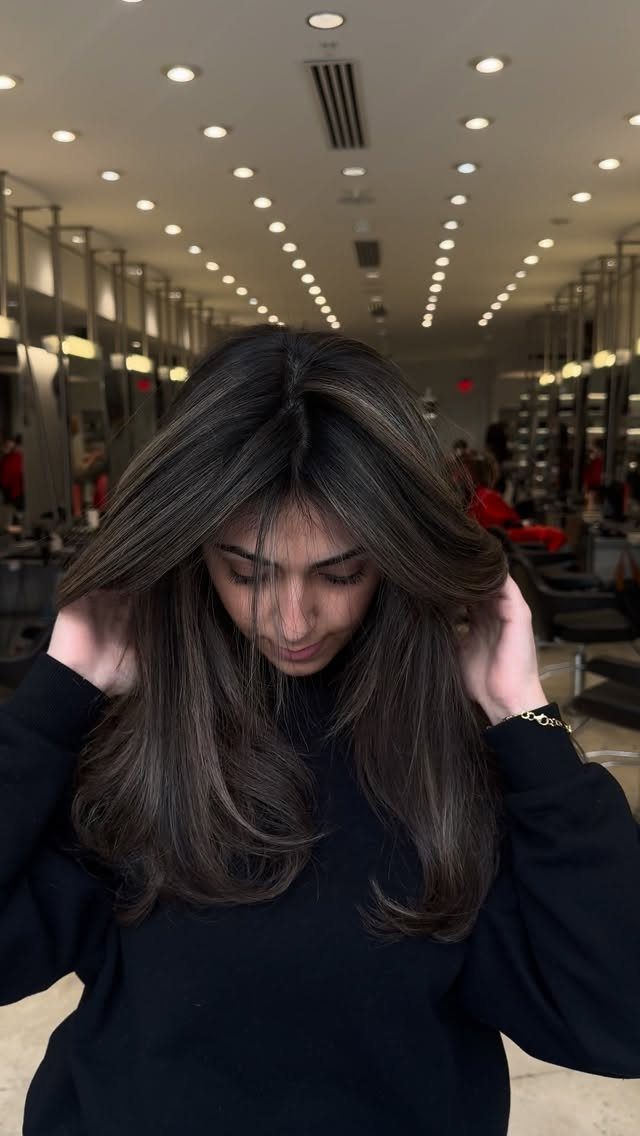
Medium ash brown is the polished choice: cool, smooth and a little reserved, with none of the golden warmth that brightens other browns.
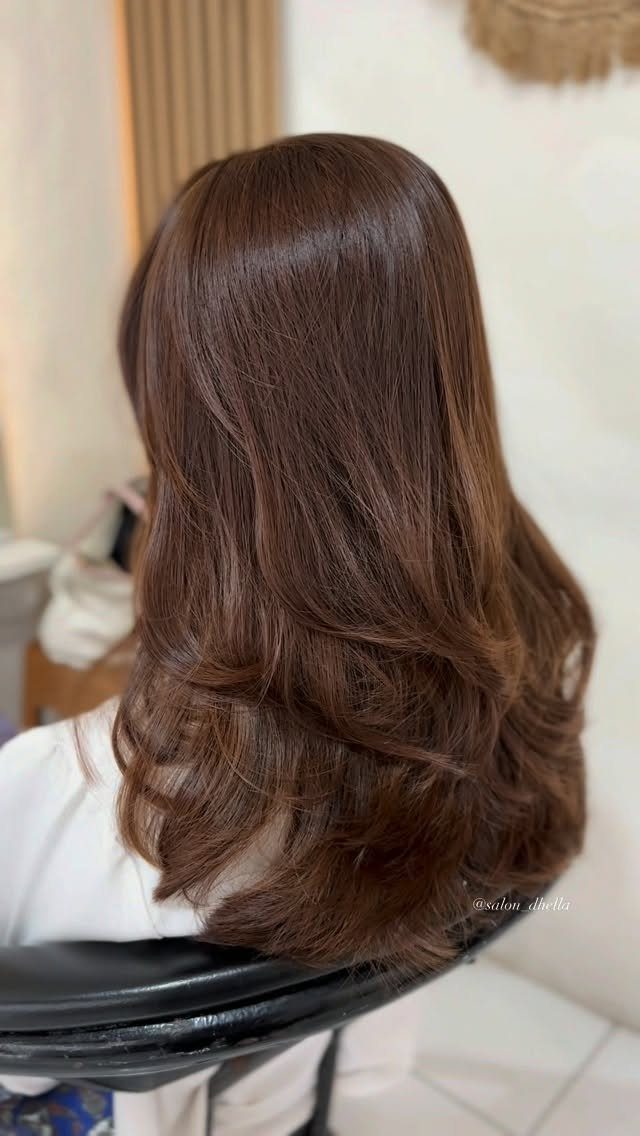
Ask for "dark ash brown" and be clear you want ash, not warm, since the two can drift apart at the bowl. Long, sleek hair like this shows the tone evenly from root to end.
If you want elegance with little fuss, this is the one I’d choose.
11. Mahogany
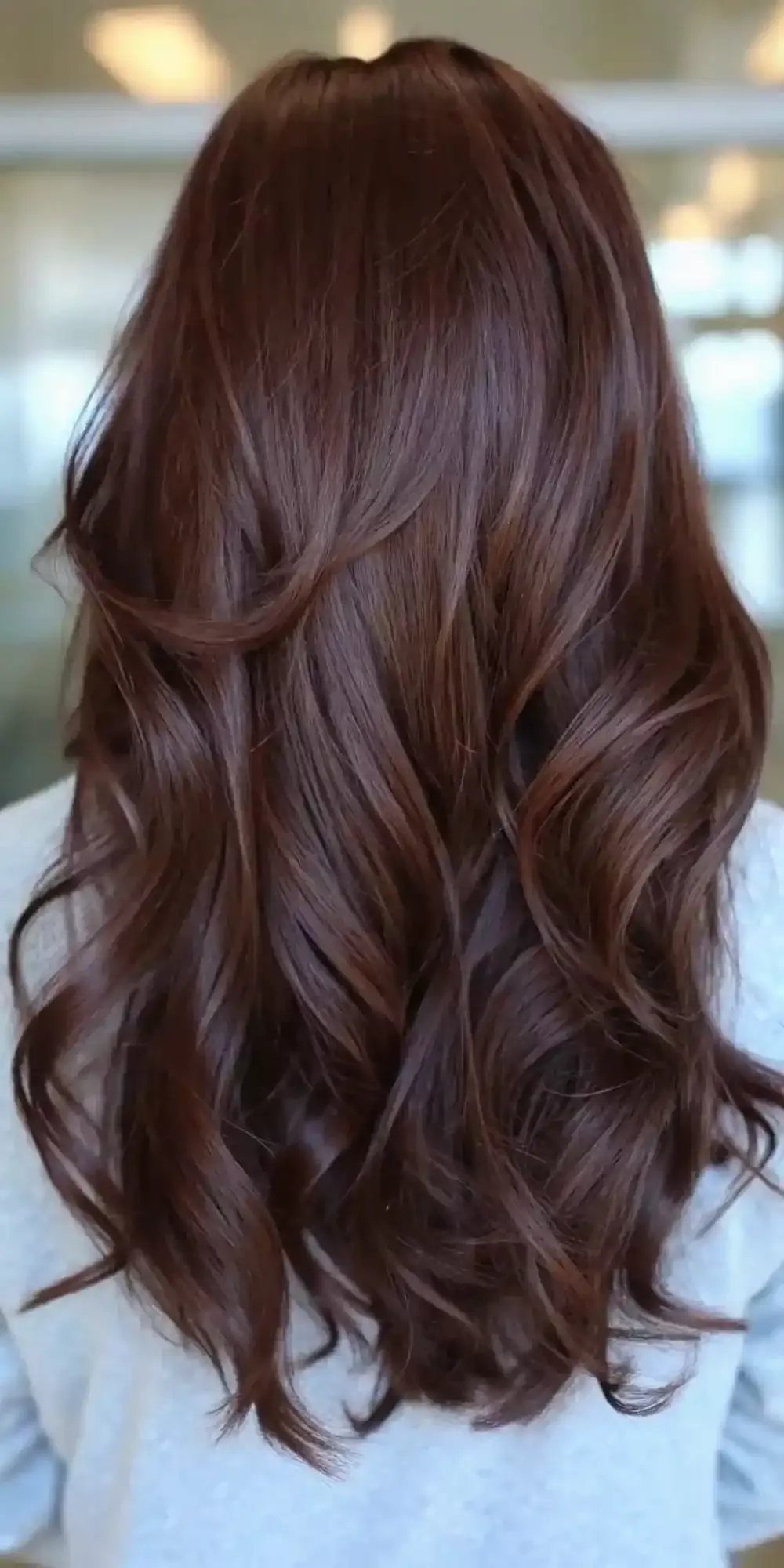
Mahogany is a brown with red-violet depth, and it works best as a way to lift natural brunettes who want more color without going far from their base.
Gloss is what sells this shade, so long waves with a shiny finish, as here, show it off.
Keep the red restrained if you want it to read as brown first.
12. Mushroom Beige with Chocolate Highlights
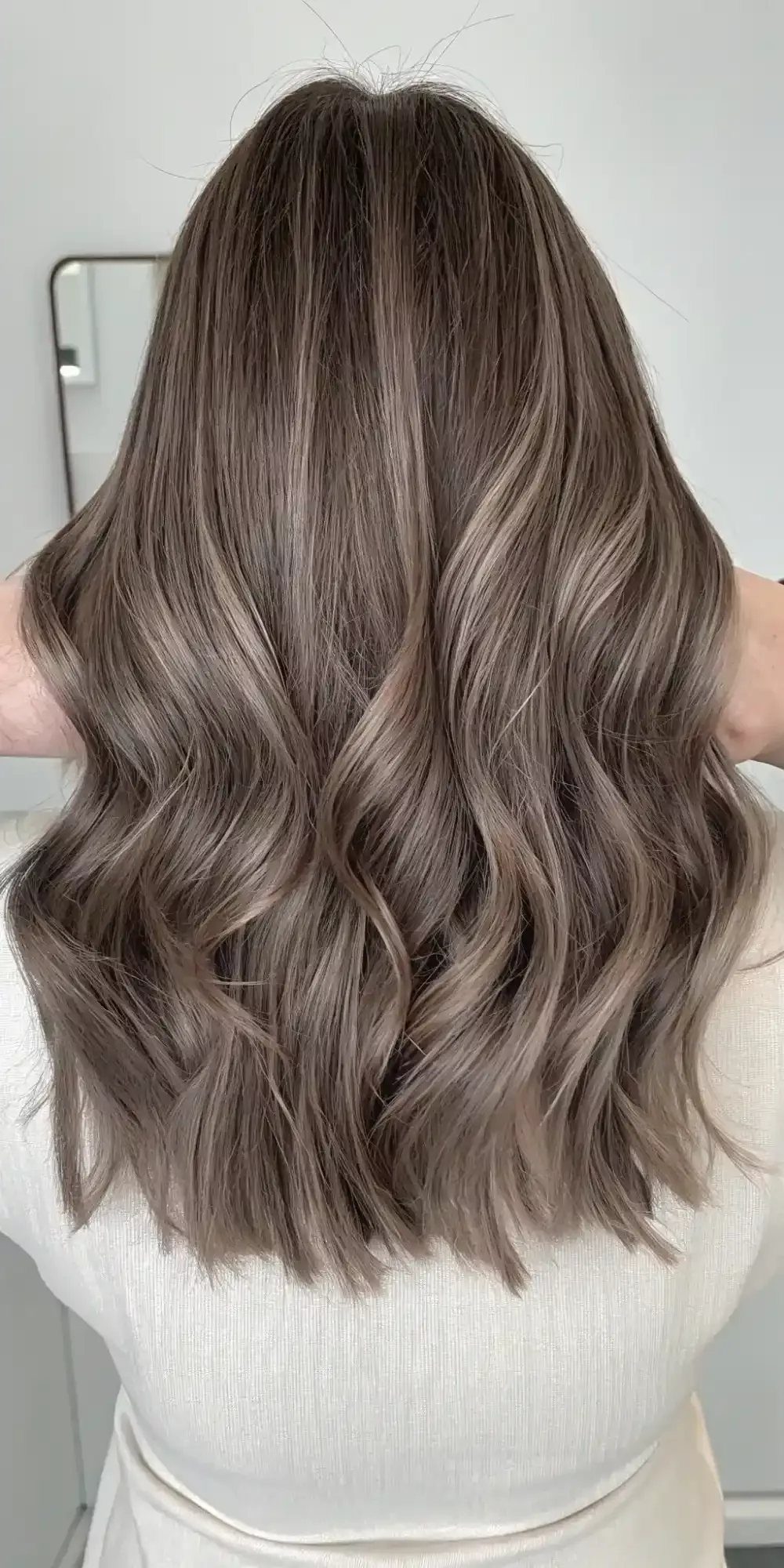
A muted mushroom beige sets the base, and thin chocolate pieces woven through it add the depth that keeps the color from looking flat.
Request both by name, "mushroom beige" and "chocolate highlights," and show the photo so the colorist can judge how dark the contrast should be. Long waves help, since the movement lets the darker pieces show between the lighter ones.
I’d keep the chocolate fine and spaced out. Heavy placement makes the beige look like stripes.
13. Ombré Brown
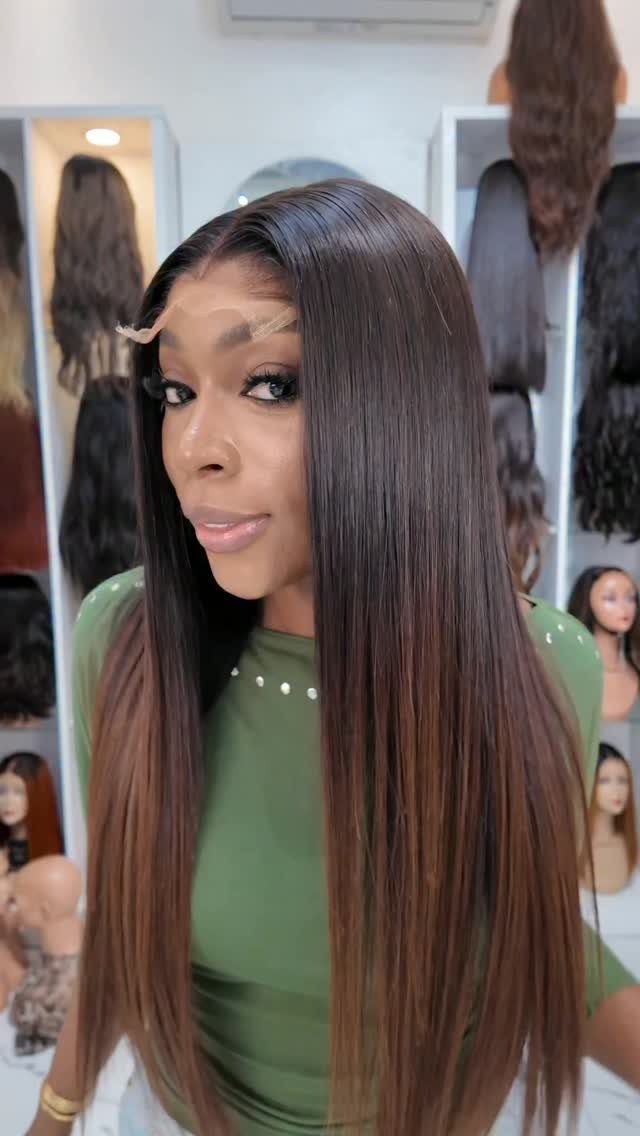
A dark-to-light brown ombré works because the shift is slow: roots stay deep and the length melts into a lighter brown with no visible line.
On straight hair like this, the gradient shows from top to bottom, so the blend has to be clean.
Ask for a "subtle ombré" and say you want the transition soft, then bring the photo so the colorist can see how far the lightness should travel.
I’d keep the change gentle, since a sharp break reads as dip-dyed rather than natural.
Your own roots stay in place, so there is no harsh regrowth line to chase.
Choosing the Right Shade
Undertone decides more than depth does, so check your veins in daylight before you pick a shade. Green veins suggest warm, blue or purple suggest cool, and a mix suggests neutral.
Light skin with peach or pink undertones tends to do well with brunette shades carrying a hint of warm chestnut or auburn.
The depth of that color flatters the pink in the skin, and it also makes blue and green eyes stand out.
If you can’t tell which undertone you have, hold a gold item and a silver one near your face and see which looks better. Then take that answer to the colorist instead of guessing at a shade name.
Maintenance Tips
Brown color tends to drift warmer as it fades, because the cool pigments let go first and the red and gold underneath start to show.
Plan on regular touch-ups, and book a gloss or toner visit between full color appointments if your shade has started to dull.
Switch to a color-safe shampoo and conditioner, which are made to be gentler on dyed strands. Wash with cooler water when you can, since hot water opens the cuticle and lets color slip out.
Heat tools dull brown quickly, so use a heat protectant before styling. A weekly mask keeps the shine that makes brown look rich.
Highlight Techniques
Balayage, ombré and babylights each place lightness differently, so name the one you want.
Balayage is painted by hand for a soft, sun-touched look. Babylights are very fine strands that add a gentle glow.
On a dark brown base, the tones people save most are caramel, honey, ash blonde and platinum. Face-framing streaks of warm honey brighten the face without changing the whole head.
Pick the tone by how much brightness you can live with. Caramel and honey grow out easily, while ash blonde and platinum need more lifting and more upkeep, so start softer if you’re unsure.
Frequently Asked Questions
What color compliments brown hair?
Warm tones such as caramel and honey are the easiest match, especially as fine, few highlights over a chocolate or medium brown base.
Fine placement reads as sun rather than stripes. If your skin leans cool or neutral, an ash-toned brown is the better pairing.
What are the different shades of brown hair color available?
Brown runs from light to near-black, and the main split is warm versus cool.
Warm options include chestnut, toasted caramel, medium golden brown and mahogany, which has a red-violet depth. Cool ones include dark ash brown and dark roast with ash toning, while light cocoa and mushroom beige sit in the lighter range.