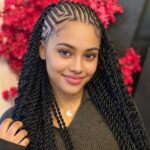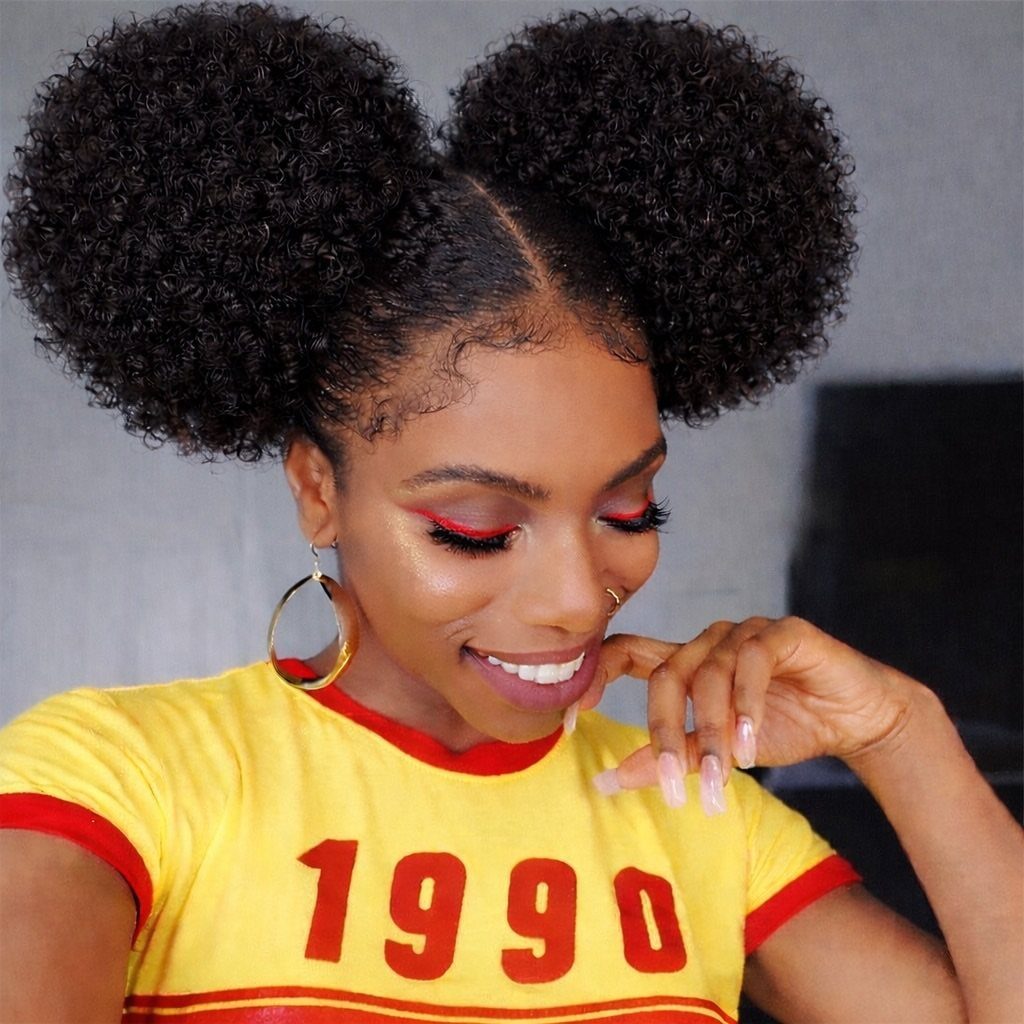
How much handling a style asks for decides which of these is yours: a wash-and-go or a high puff takes a couple of minutes, while finger coils are done one section at a time and faux locs need a full day to install.
The list moves from loose styles shaped by your natural texture, like the wash-and-go and afro, to cuts like the soft shag, curly wolf cut and bixie, and then to long-wear styles such as cornrows, twists and faux locs.
If daily styling time is short, stick to the easy end of the list, like the wash-and-go, the high puff or a single thick braid, and keep a trim on the calendar every 6–8 weeks if you wear the shag, wolf cut, bixie or tapered cut.
1. Wash-and-Go
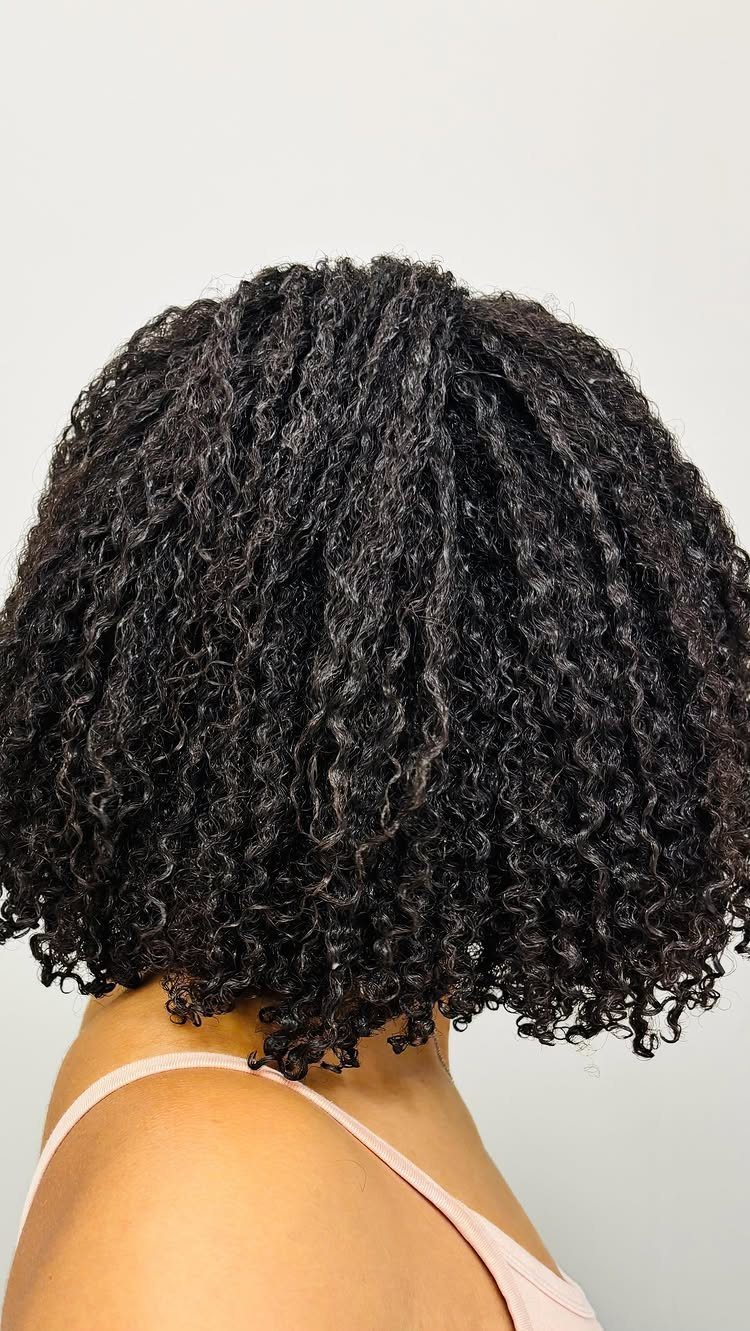
Thick curls from behind show the whole appeal of a wash-and-go: the texture does the styling. Shoulder length like this leaves plenty of volume without much weight.
I like it for mornings when time is short. Wet hair is what you shape, so work product through while it’s soaking and then leave it alone.
Skip the brush once it dries. Touching it too much breaks up the curl clumps.
2. Afro
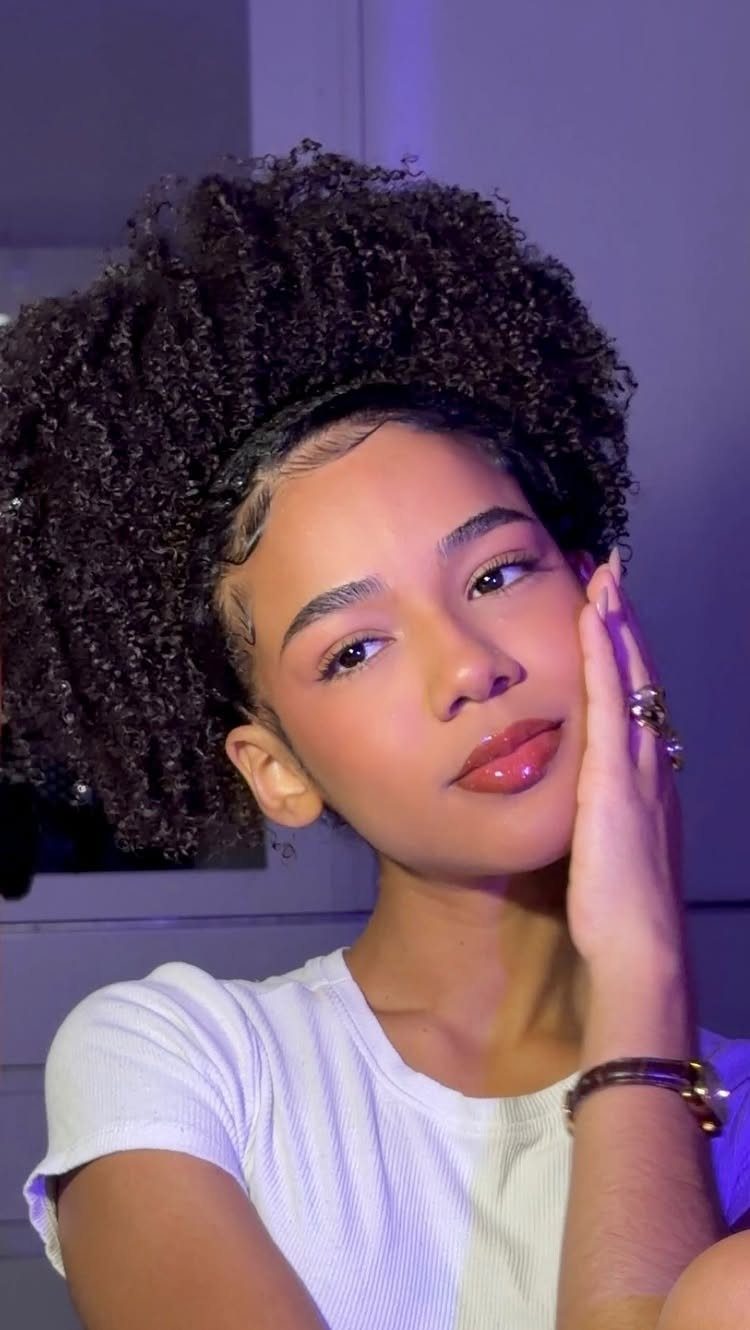
An afro is the cleanest way to wear thick natural hair at full size, and it asks for very little styling.
Shape it with a pick, lifting from the roots, and stop once the outline looks even all the way around.
I prefer a rounder outline over a flat top. Turn your head side to side in the mirror to check for gaps.
Dry hair slumps and loses its rounded shape fast, so moisturizing is the price of keeping an Afro full.
3. Bantu Knots
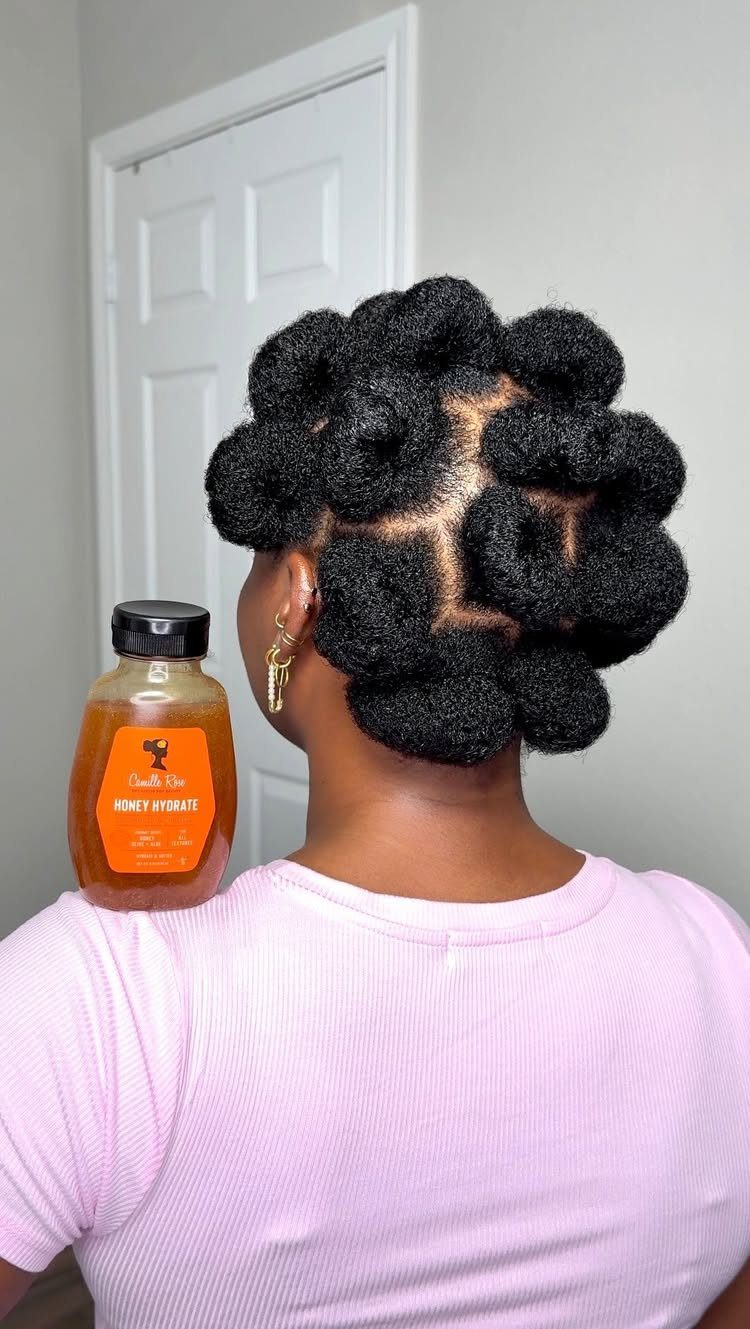
Bantu knots coil sections of hair into small tight knobs that sit against the head. Wear them as they are for a graphic, sculpted look, or take them down for stretched, defined curls.
Moisturize each section before you coil it; a leave-in or curl cream does the job. Smaller sections give tighter curls when you unravel them.
I’d take them out slowly, with a bit of oil on your fingers, to keep frizz down.
4. Flat Twist Updo
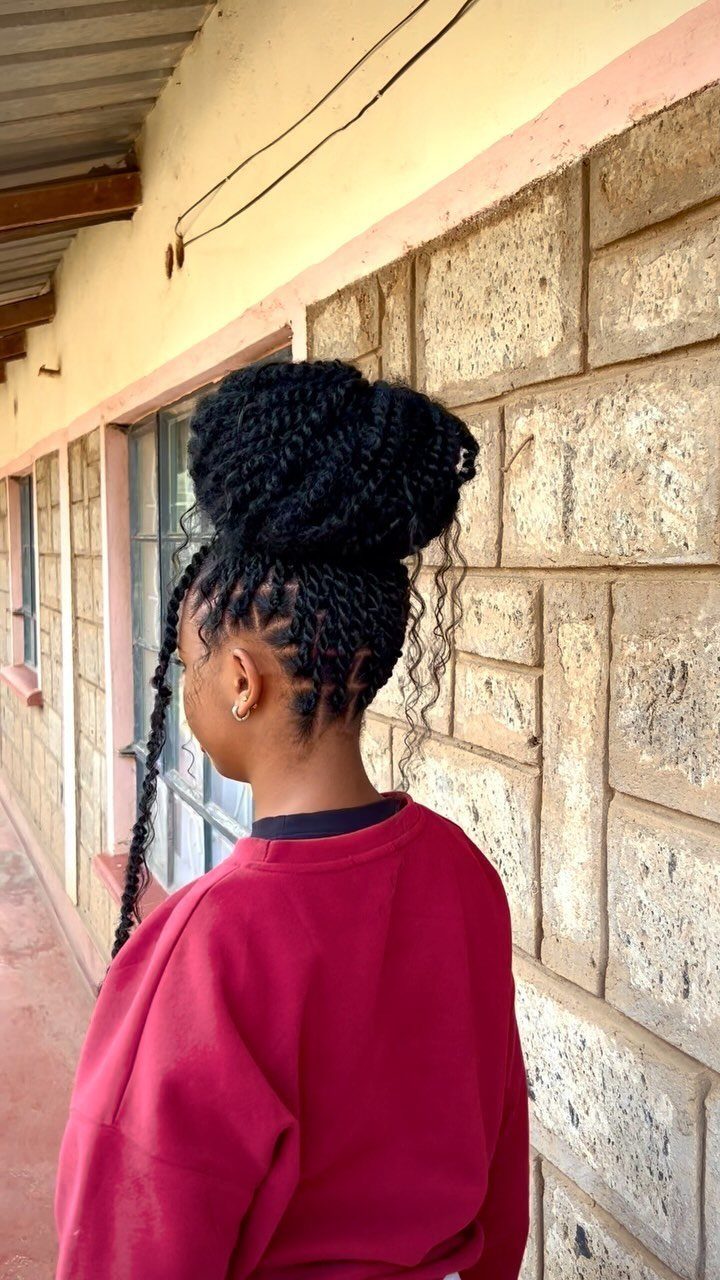
Flat twists lie along the scalp, and pinning them into a high bun turns them into an updo that looks dressed up without much effort. It also tucks the ends away, which makes it a protective style.
Part the hair into even rows first, because neat parts make the finished bun look intentional. Twist each section flat, then gather everything up and pin it.
I would pick this for a wedding, an interview or a dinner out. A long braid left hanging adds one more detail.
5. Double Puff Buns
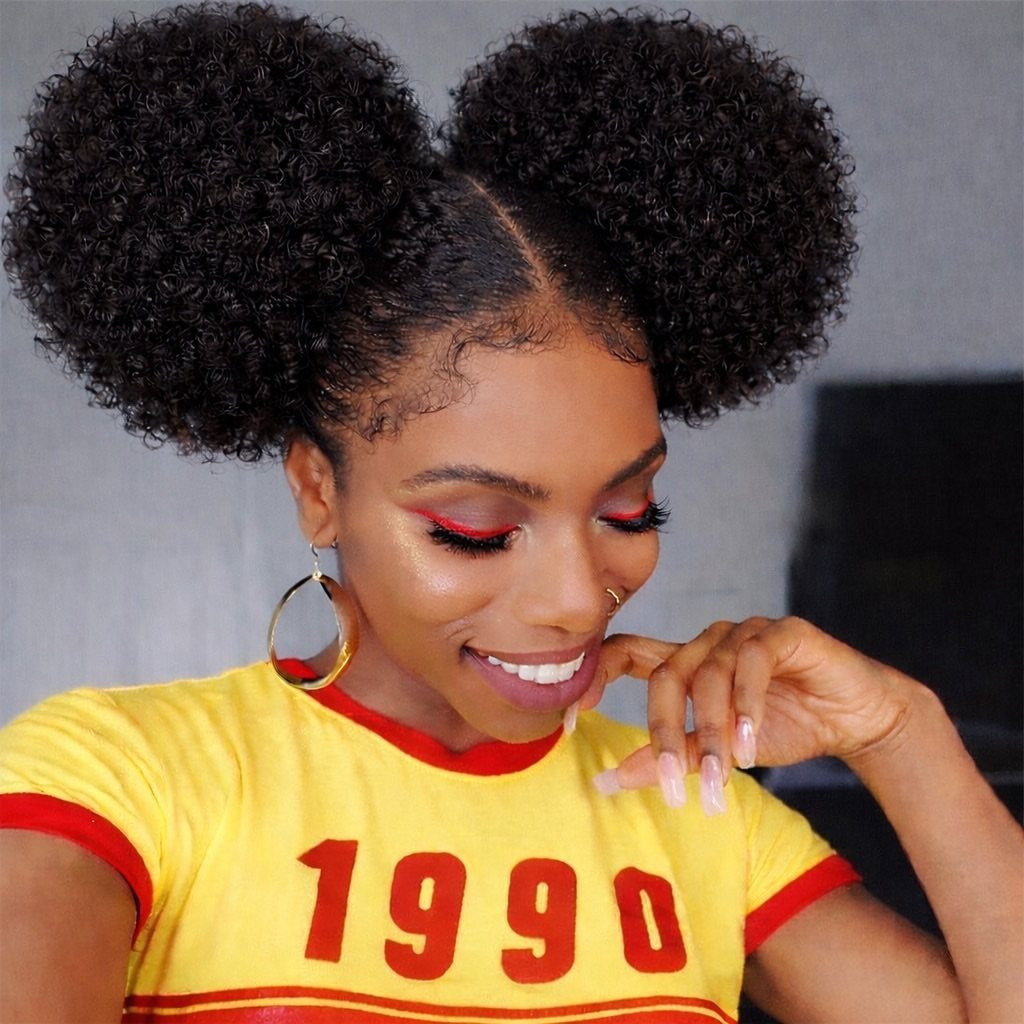
2 puffs set high on each side of the head give thick curls a playful shape, and they keep hair off your neck. Part the hair down the middle first so the 2 sides match in size.
Gather each side with a soft elastic, not a tight one, so the curls stay full. Fluff the ends gently with your fingers.
I like this on second-day hair, when the curls have settled and hold together better.
6. Pineapple Updo
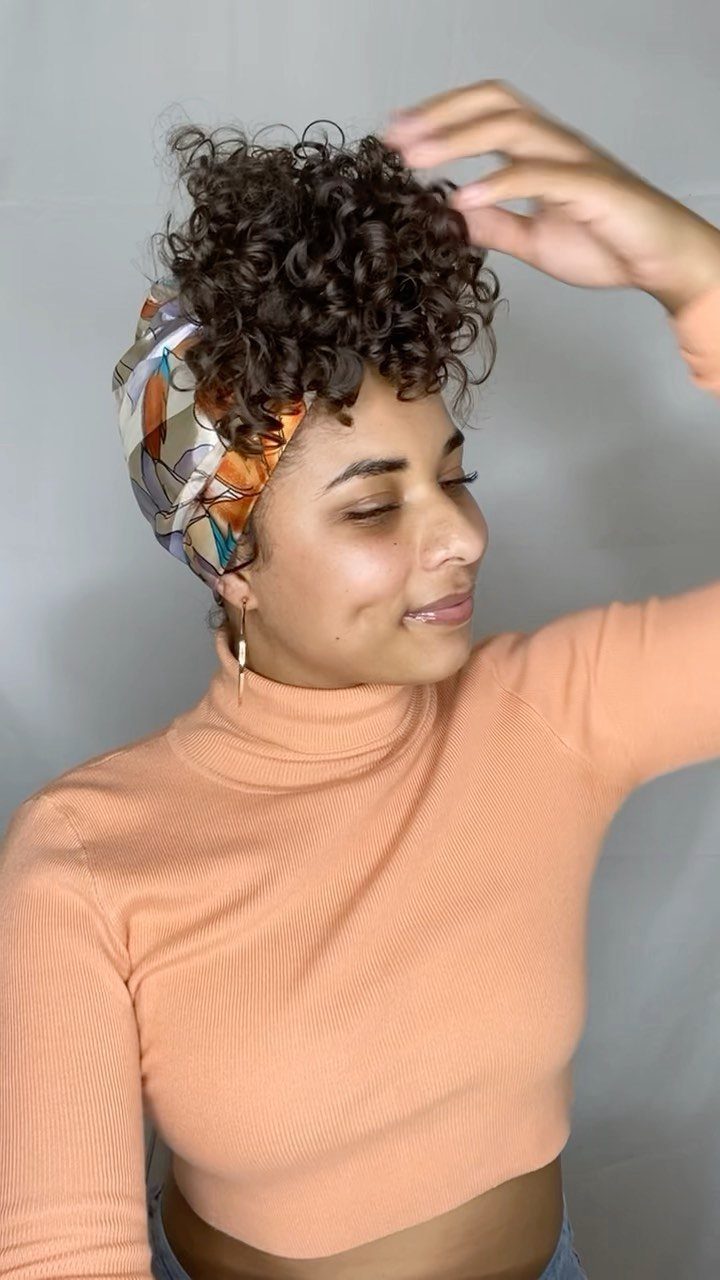
A pineapple updo piles loose curls high on top of the head, so the curls are not crushed against a pillow or a collar.
Pull everything up to the crown with a loose scrunchie or tie, and let the curls spill forward.
A headwrap, like the colorful one here, adds a pop of pattern and keeps the base neat. I’d pick a soft fabric that doesn’t tug at the edges.
It works for a refresh between washes.
7. Curly Bangs
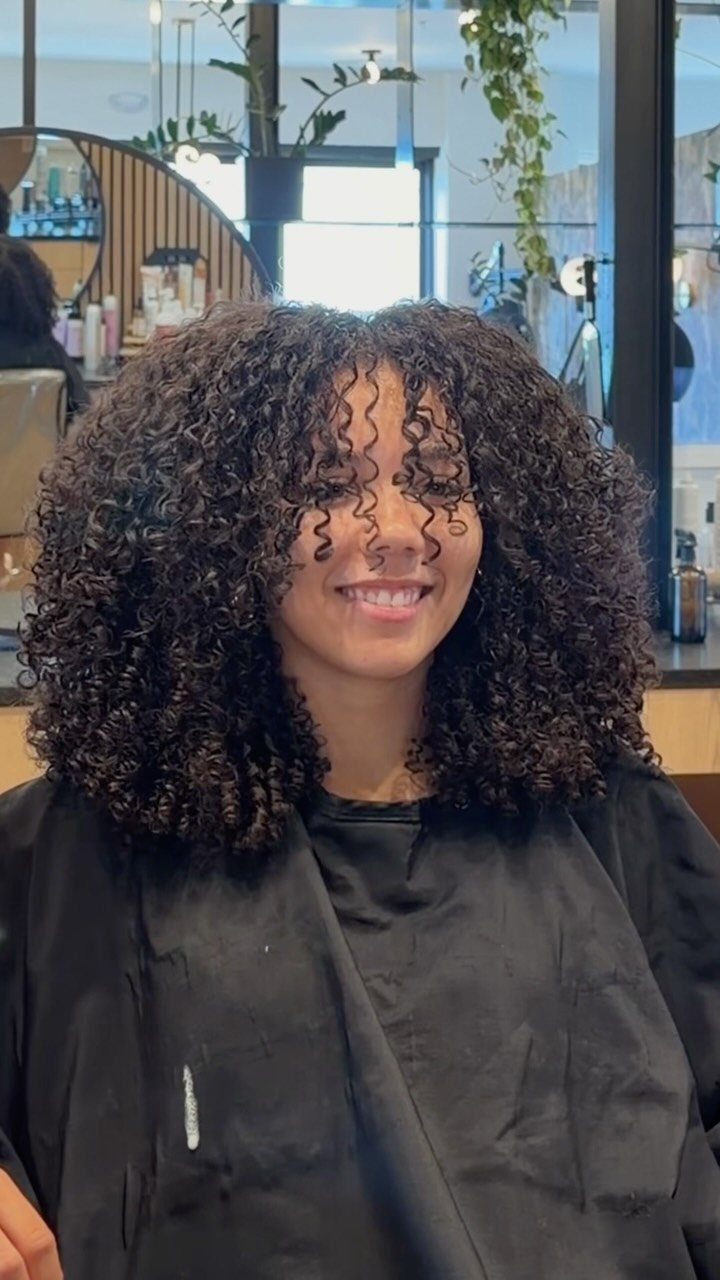
Bangs cut into curls sit shorter once they dry, so the cut and the curl pattern have to be planned together. Ask your stylist to trim them dry, one curl at a time, so you see the real length.
Thick hair gives the fringe plenty of body and frames the face with soft volume.
I’d keep them a little longer than feels right at first.
8. Mohawk Curls
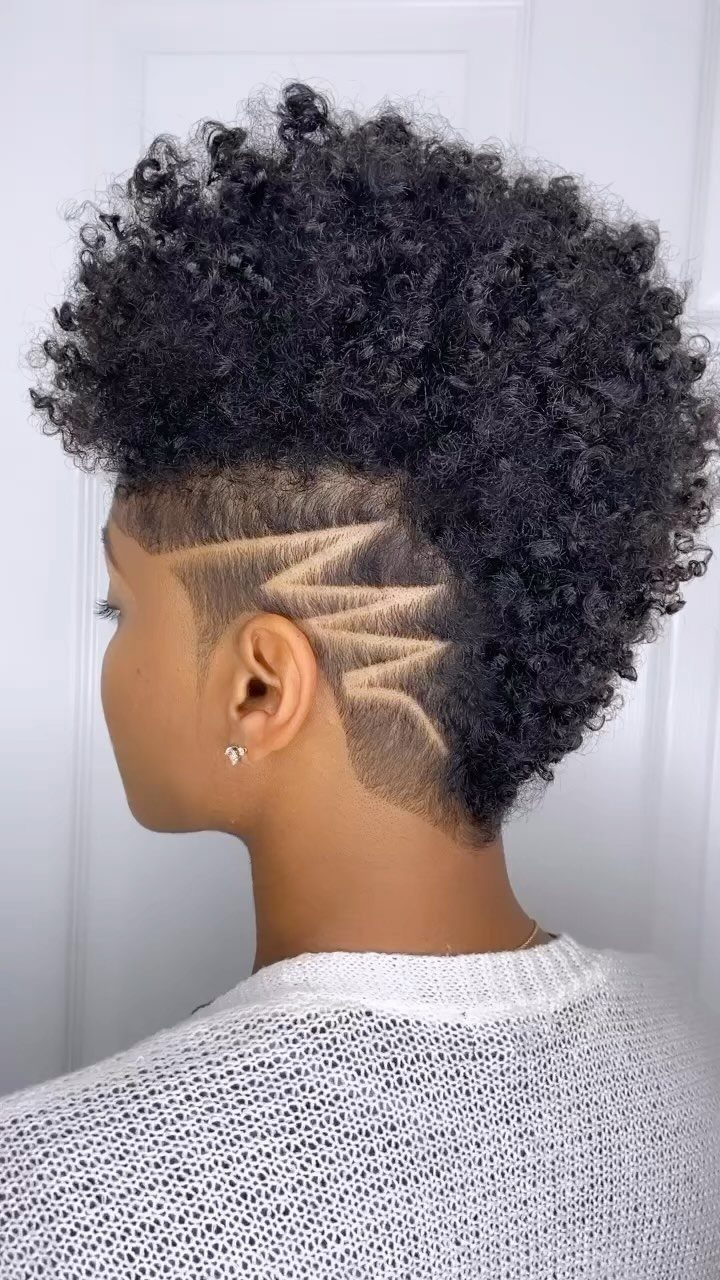
A mohawk keeps the length and curls down the center and leaves the sides short, so the volume of thick hair becomes the whole shape.
Shaved patterns on the sides add a graphic detail, though they need a barber’s steady hand.
Define the top with a curl cream and shape it upward with your fingers.
I like this for anyone who wants a bold cut that still has curl in it.
9. Straight-Back Cornrows
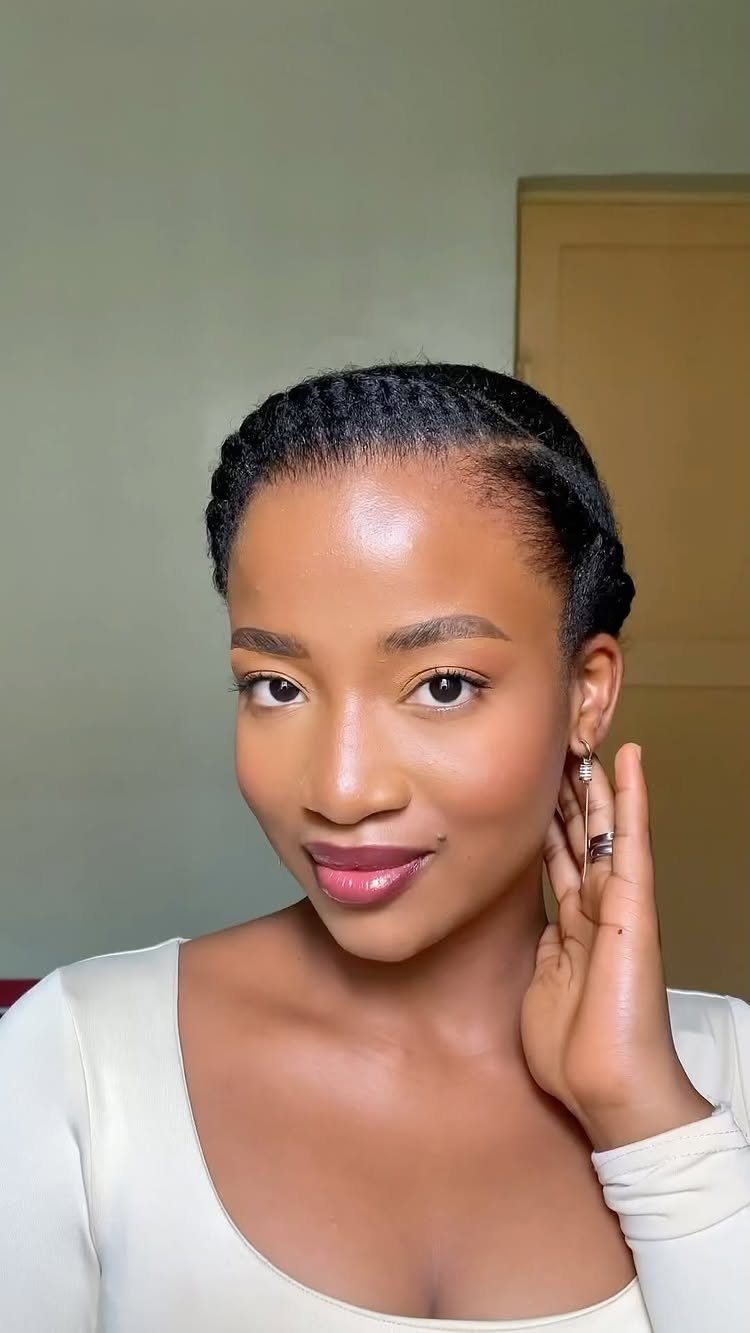
Straight-back cornrows run in clean parallel lines from the hairline to the nape, and they stay put for days. Mornings shrink to almost nothing, because there is no detangling or restyling.
Moisturize the scalp and braids lightly between days, and wrap them at night to keep them neat.
I’d choose this when I want a simple, classic look that needs no daily decisions.
10. Tapered Natural Hair Styles
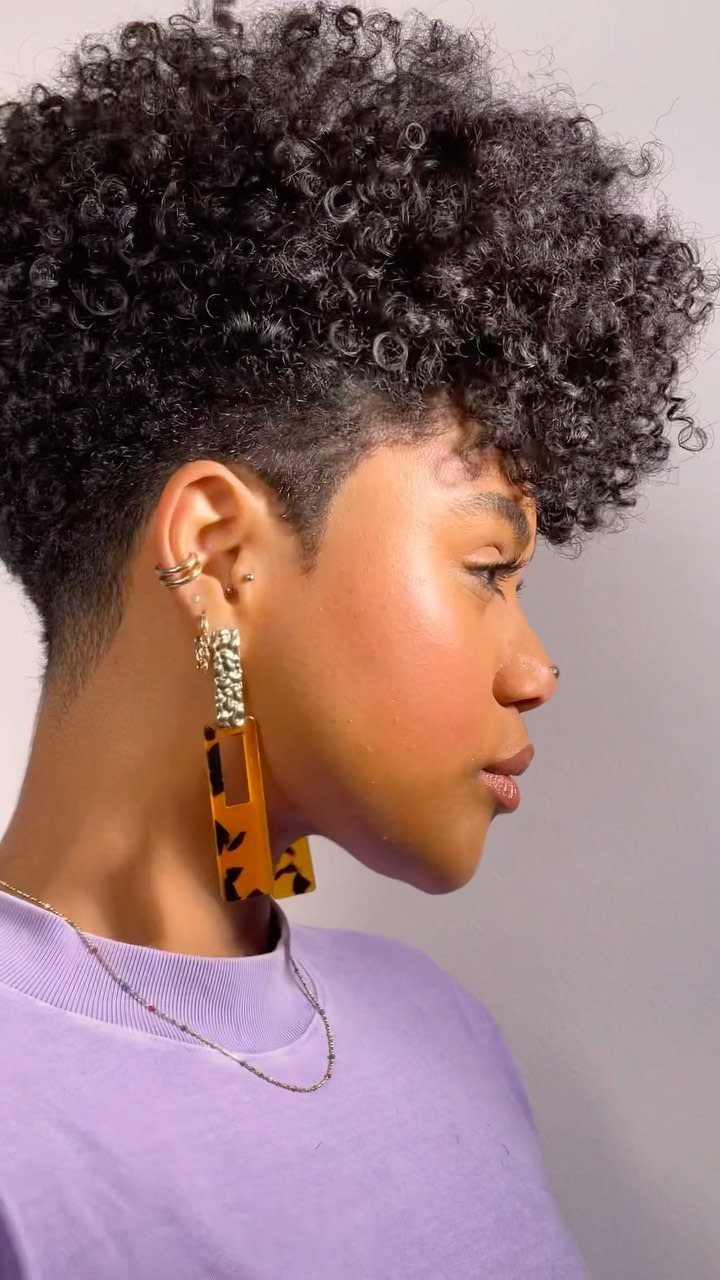
Short sides with curly volume left on top give a taper its shape, and it suits thick hair because the weight comes off where it bulks up. Bring a photo to your barber and ask for a taper by name.
A curl cream worked in while the hair is damp keeps the top defined.
Sides grow out gradually, so expect regular trims to hold the outline.
11. Soft Shag

Layers do the work in a soft shag, removing bulk from thick hair while keeping body and movement. Pair them with bangs, as here, and the cut frames the face without looking heavy.
Ask for long, blended layers rather than sharp steps, so the ends stay soft.
I’d style it with a light cream and let it dry naturally for the most texture.
12. Curly Wolf Cut
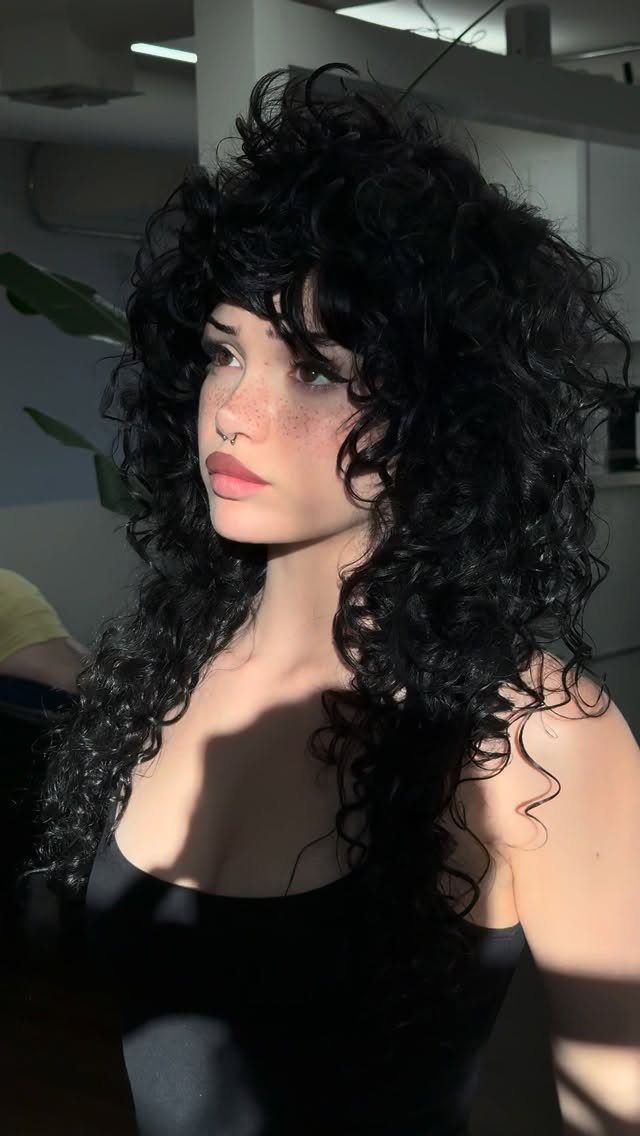
A curly wolf cut stacks short layers on top over longer lengths underneath, so thick curls stand up instead of hanging flat.
A curly wolf cut gives thick natural curls a lighter, edgier shape, so the hair moves without feeling heavy.
Ask for the cut to be shaped on dry curls so the layers fall where the curls actually sit.
Curly bangs finish the cut, and I’d add them for a look that feels complete.
13. Bixie

Short hair still has momentum, and a bixie shows why: cropped length with soft, curly texture on top, and thick hair gives it plenty of body. The grey streaks here show that the cut works with color too.
A dry cut matters here: the stylist can see each curl spring up and place the layers where your pattern actually lands. I’d keep the top a little fuller than the sides.
14. High Puff
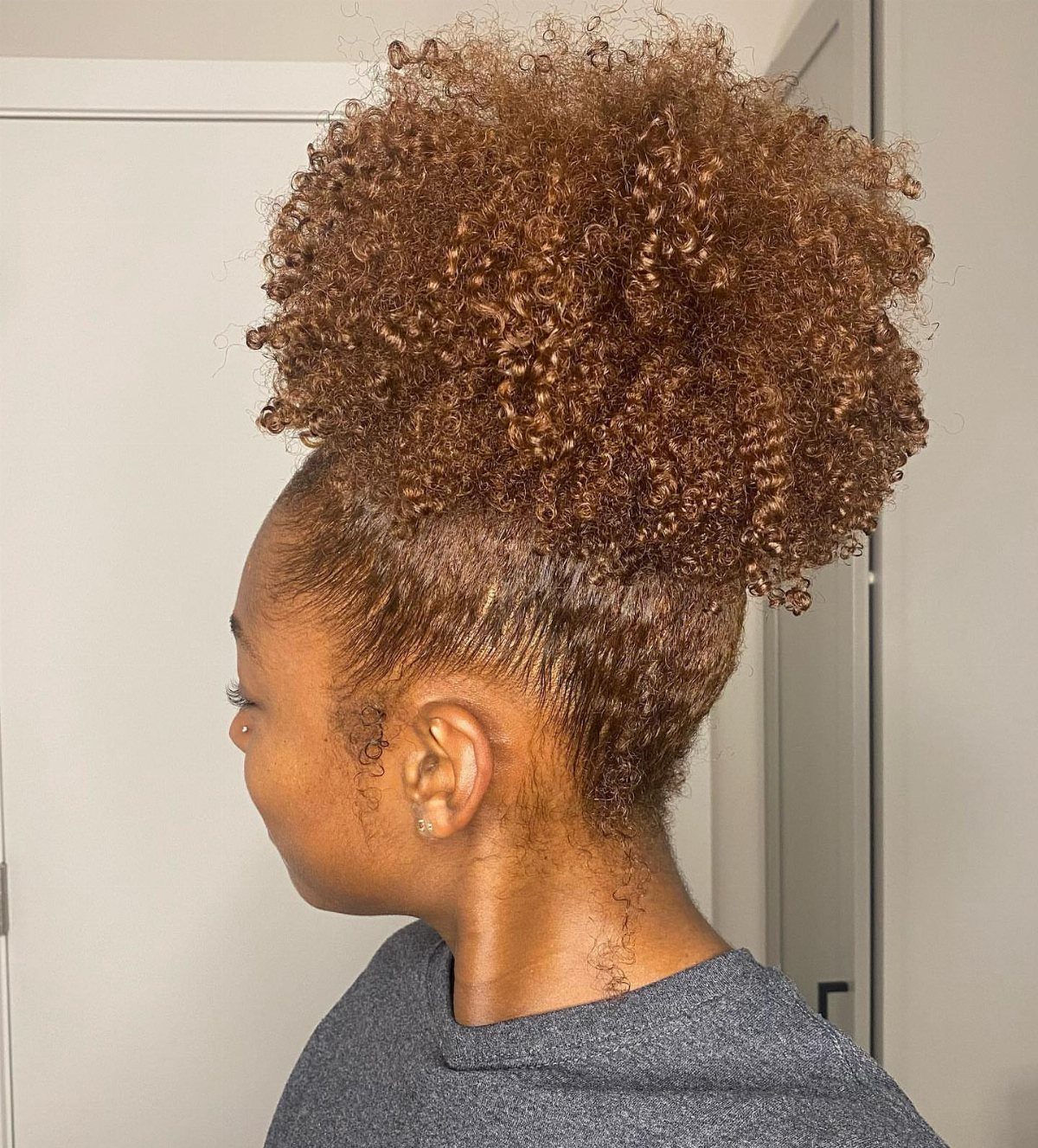
Hair off the neck, volume on top: a high puff is about as simple as thick curls get. Gather everything at the crown with a soft elastic and leave the ends loose and full.
A snug band flattens curls, so I’d wrap it only as tight as it needs to hold. Fluff the puff with your fingers once it’s set.
It looks tidy with a plain tee, and it takes a couple of minutes.
15. Faux Locs
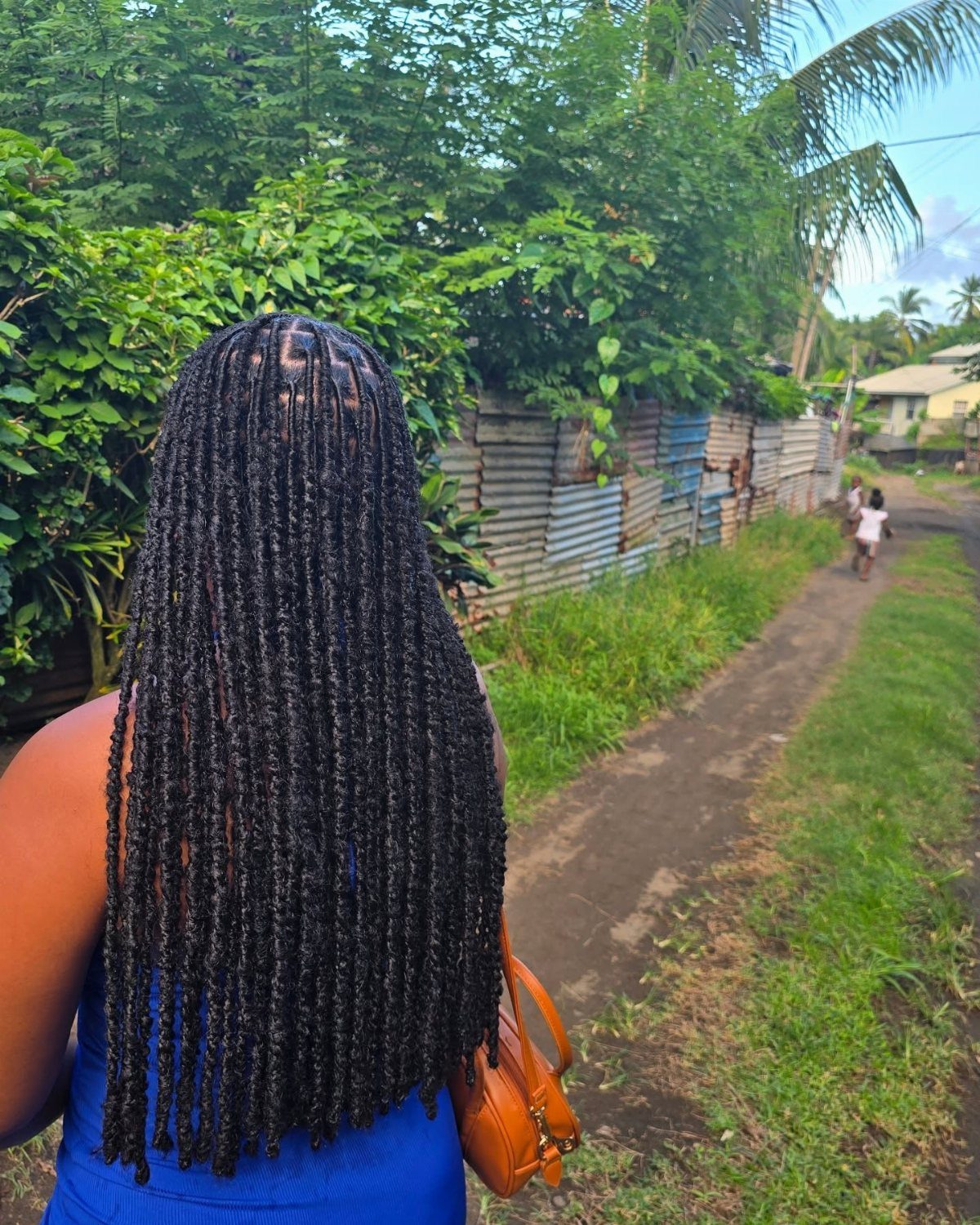
Faux locs copy the look of traditional locs by wrapping or braiding extension hair around your own, so they work as a protective style.
Long, thick locs like these hang with real weight, and the ends stay tucked away from friction.
Keep the scalp moisturized between washes, and wrap the locs at night so they stay neat.
I’d pick this for a long stretch with no daily styling. Install takes a while, so book a full day.
16. Finger Coils
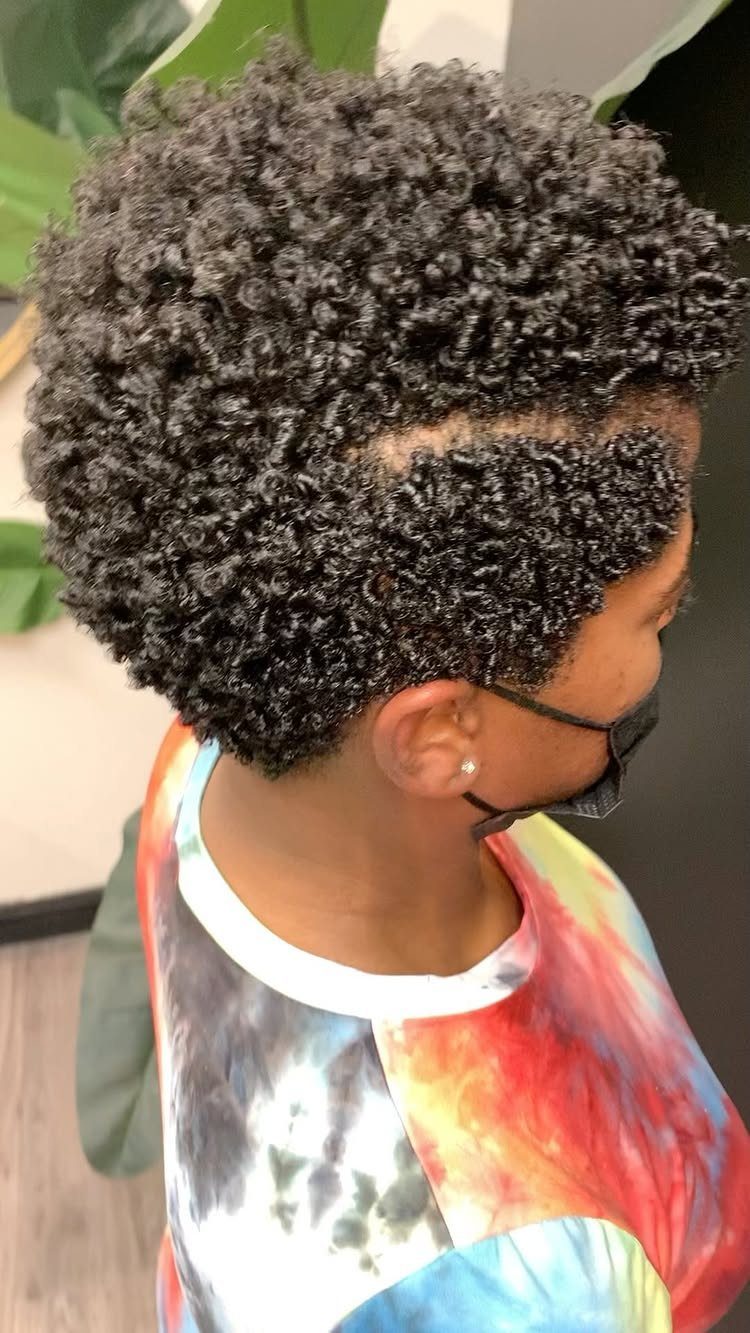
Finger coils turn small sections of hair into defined, springy curls, and thick hair gives them a full, dense look.
Work on damp hair, take a small section, add curl cream, and twist it around your finger until it holds a coil.
Work in small sections of hair and the coils come out tighter and more uniform. I’d budget real time for this, since every section is done one at a time.
Leave them untouched while they dry so they keep their definition.
17. Curved Cornrow Braids
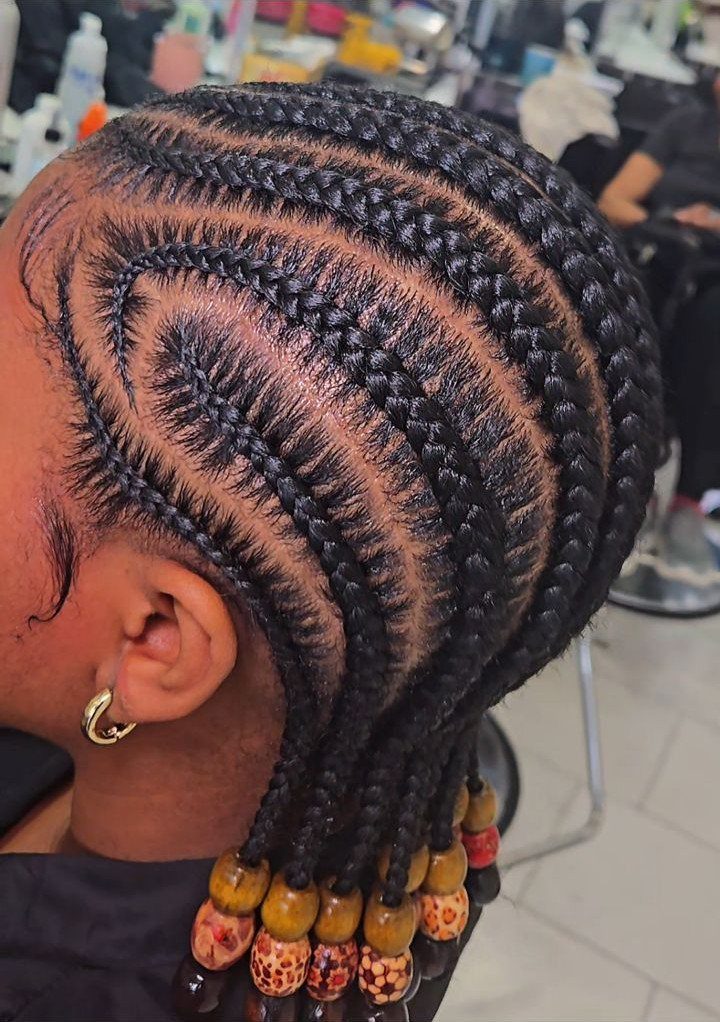
Instead of running in straight lines, curved cornrows sweep around the head in arcs, and that pattern is what carries the style. Wooden beads on the ends add weight and a bit of sound without extra effort.
Show your braider a photo and call the style by name, since the parting is what makes the curve work. Keep the scalp moisturized lightly between days.
I like wooden beads over loud plastic ones; they sit quietly against the braids.
18. Single Thick Braid
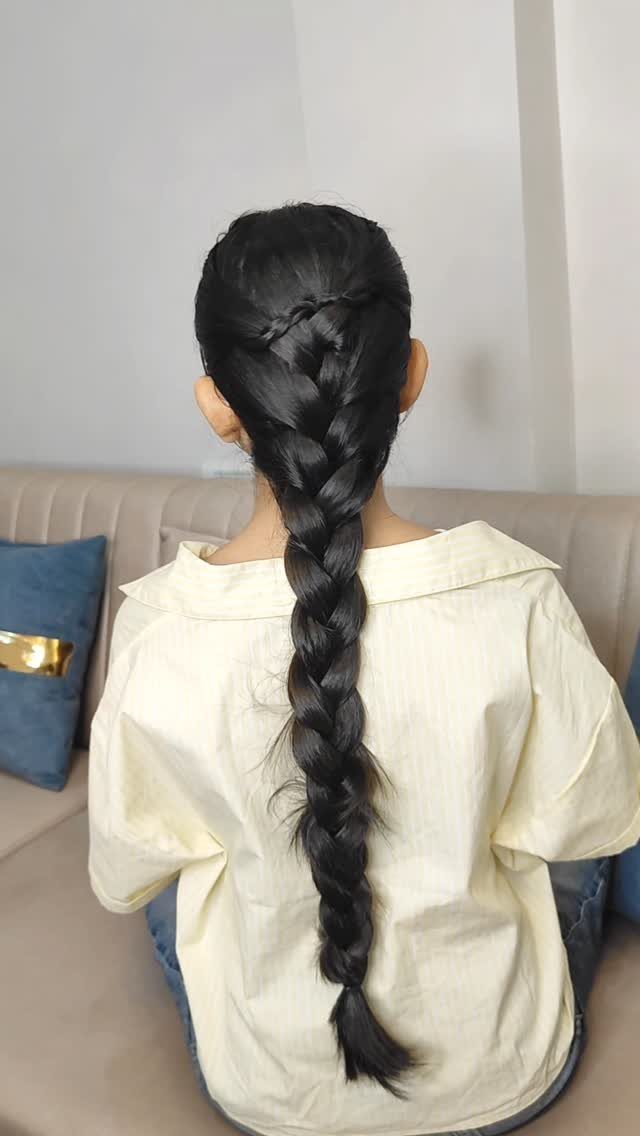
One thick braid down the back is about as neat as long, full hair gets. Brush or detangle first, then braid evenly from the nape or the crown so the plait stays the same width all the way down.
Pull the outer strands slightly looser for more volume. I’d secure the end with a soft elastic so it doesn’t snag.
It’s a good choice for busy mornings, and it stays put all day.
19. Chunky Two-Strand Twists
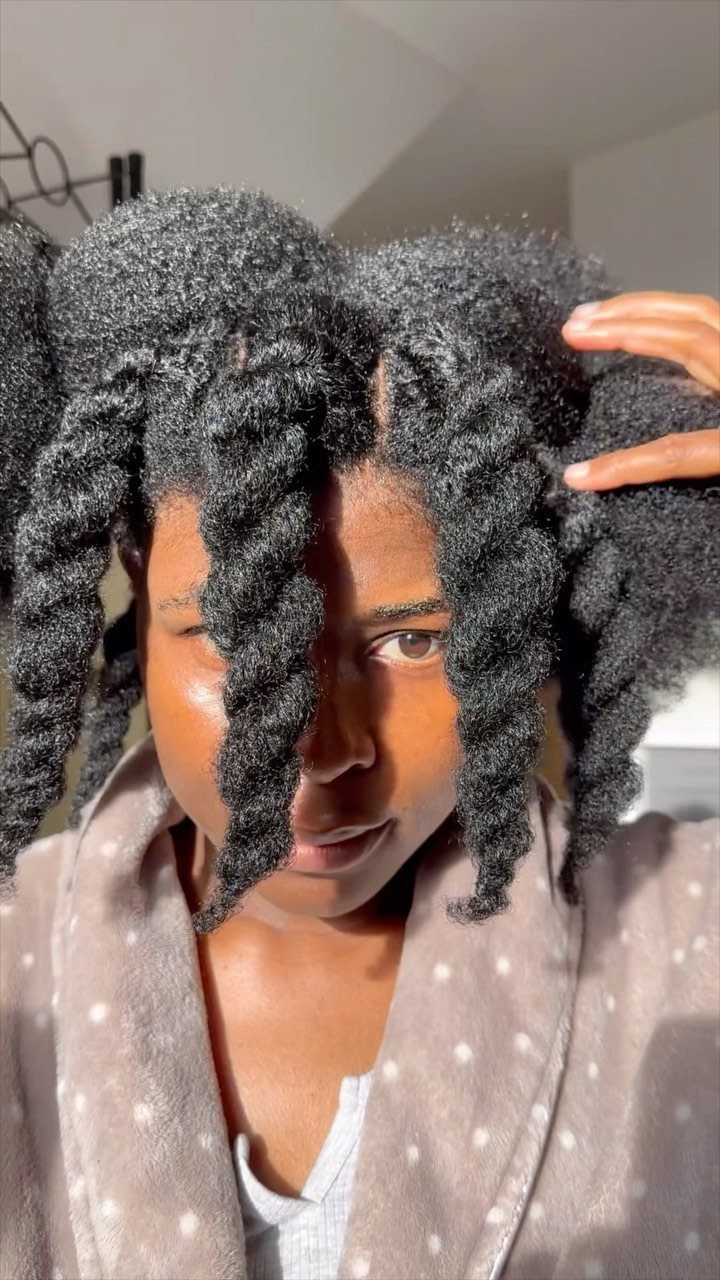
Chunky twists use 2 strands of thick hair wrapped around each other, and bigger sections mean fewer twists and a bolder, rope-like look. Thick hair fills them out well, so the coverage is full from root to end.
Twist on moisturized, detangled hair, and keep each section the same size so the rows look even. I’d choose chunky over small twists when I want less time styling.
Because the ends stay folded inside the twist, they rub against clothing and cold air much less, and that is what makes this a protective style. Wrap the twists at night to keep them smooth.
20. Double Dutch Braids
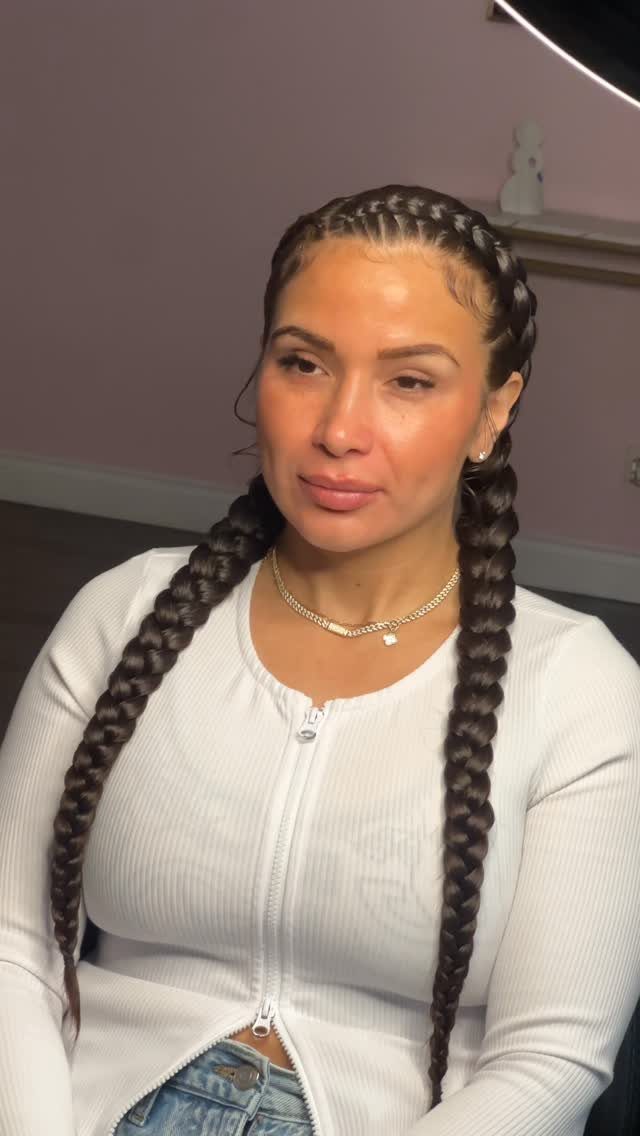
2 Dutch braids, each built by crossing strands under instead of over, stand up from the scalp and read as bolder than a plain plait.
On thick hair they come out full and heavy, and they hang down the shoulders as a pair.
Part down the middle first so both braids match in width. Keep the tension even from the hairline, and pull the braid gently wider once it’s done for more fullness.
The braider who made this look said the style fit the client well, and I’d say the same for anyone who wants a neat look with no daily styling.
Maintenance Tips for Natural Hair
Over-manipulation is what breaks thick natural hair: too much handling leads to breakage, hair loss and split ends. So the best routine is a short one.
After styling, a light mist of oil sheen or a dab of leave-in conditioner usually keeps thick natural hair looking finished through the week.
Picking out an Afro morning and night covers it; more often than that and you start to fray the shape.
Tie your hair down with a satin scarf at night, and wear it for workouts too. Match every product to your own hair type, and if a product makes your curls feel coated or stiff, switch to something lighter.
Choosing the Right Style
Start with how much handling a style asks for. Afros, two-strand twists, twist-outs and roller or rod sets all stay low-maintenance once they’re done, which protects the hair while it grows.
Length matters too. Growing out thick layers goes best in stages: a shag or a lob blends the lengths along the way, and from there you let everything catch up to one even length.
Chopping off a lot at once can leave you with a cut that doesn’t suit thick strands.
Book a trim every 6–8 weeks to keep the shape, clear split ends and stop regrowth from weighing the style down. If you blow-dry, a round brush gives smooth volume, and a heat protectant before the dryer keeps frizz in check.
Products for Thick Hair
Thick hair holds more strands and more weight, so it can feel heavy or limp, and it tends to frizz and dry slowly. Product choice decides which way it goes.
Pick a lightweight leave-in and a light oil, and use a small amount first. Add more only where the hair still feels dry, usually the ends.
Keep the wash routine simple: cleanse, hydrate and protect from heat. A heavy layering routine adds weight without adding moisture.
Scott Martinez, a hairstylist at Manhattan’s Jenna Perry Hair, notes that hair thickness relates to the diameter of an individual strand of hair, which you can evaluate by feeling or by sight. If the hair is coarser and more opaque, it’s thick.
— Vogue
Frequently Asked Questions
What is the best hairstyle for very thick hair?
A soft shag with long, blended layers is my pick for a cut, because the layers take bulk out while the hair keeps body and movement.
If you’d rather leave length alone, braids and updos like a flat twist bun work well too.
What are some good hairstyles for thick 4C hair?
Protective styles suit thick 4C hair best: chunky two-strand twists, faux locs, straight-back cornrows and flat twist updos all tuck the ends away from clothing and cold air.
Puffs and a full Afro suit 4C hair too, and both let the hair stand at its natural volume. Moisturize before styling and wrap the hair at night so each style stays neat.
Does thick hair look better short or long?
Both work, so it comes down to how much weight you want to carry.
Long hair looks great in a single thick braid or faux locs, which hang with real weight. If you’re growing out a cut, go in stages with a shag or lob rather than chopping off a lot at once.