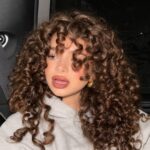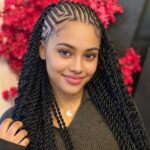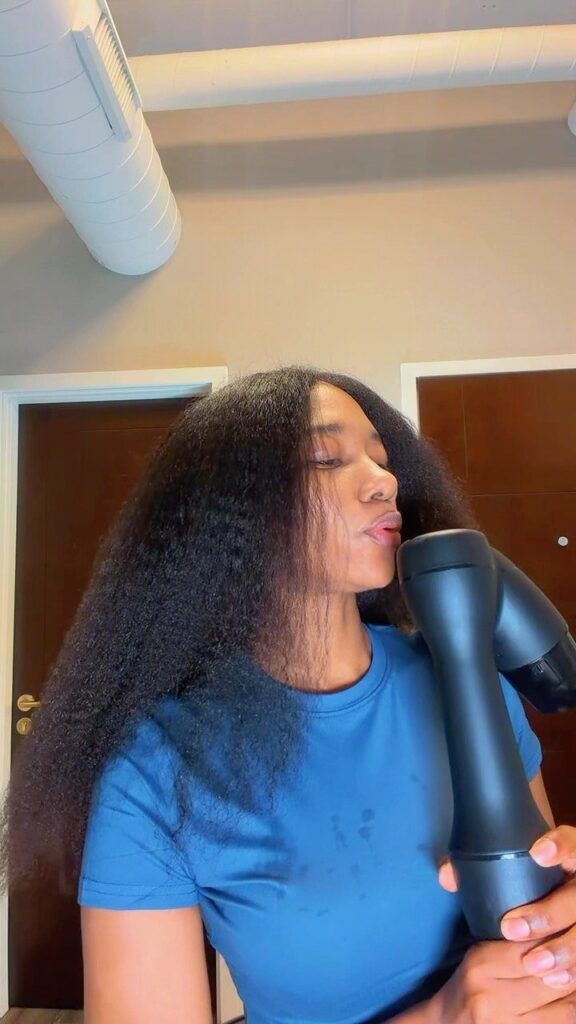
Which of these 3 tools fits depends on one thing: how much of your hair’s natural shape you want to keep, from the diffuser at one end to the hot air brush at the other.
A diffuser leaves curls intact, a handheld dryer with the nozzle pointed down the hair shaft stretches the whole head, and a hot air brush smooths damp sections in a single pass for a blowout with less bulk.
1. Handheld Blow Dryer for Natural Hair
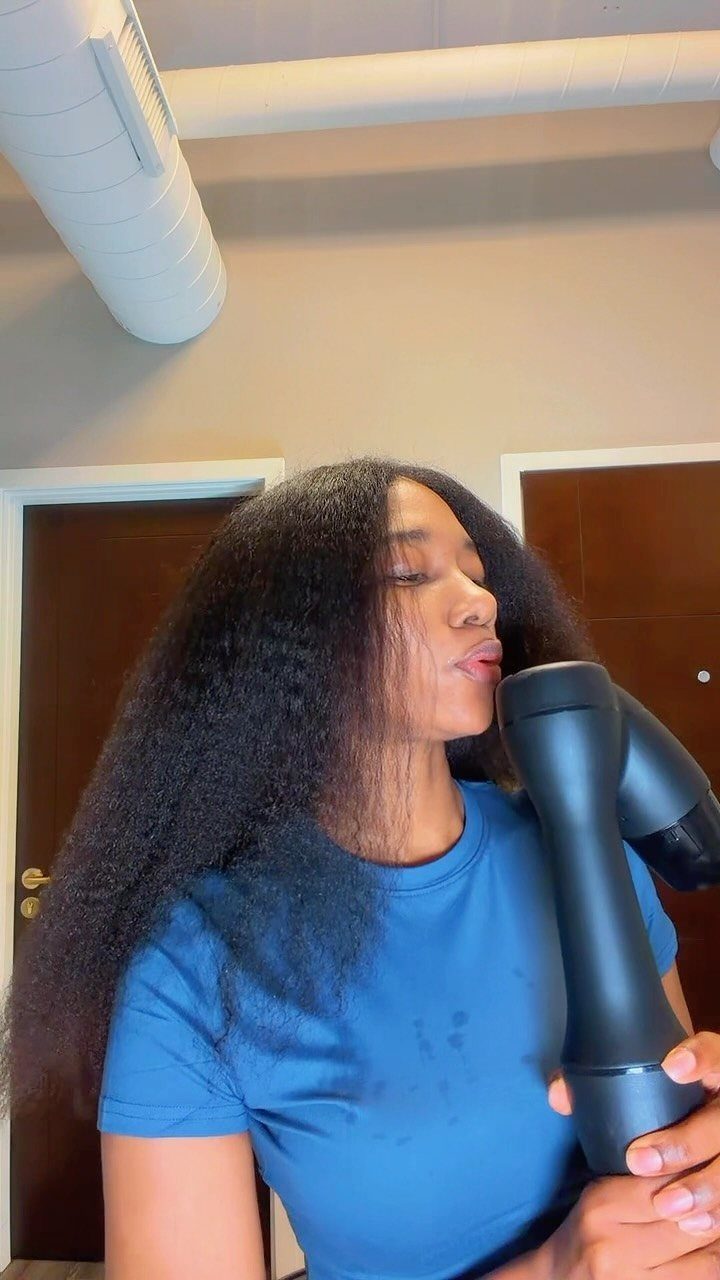
A handheld dryer is the tool I’d start with for big, voluminous natural hair, because it works on the whole head and you control the direction of the air.
Point the nozzle down the hair shaft, root to end, rather than blasting at the surface, so the strands lie smoother and frizz stays down.
Heat is the trade-off. Keep it on a lower setting and work in sections, since stretching hair this way takes more patience than air-drying.
2. Diffuser Blow Dryer Attachment
Curls dry with their shape intact under a wide diffuser, which spreads the airflow instead of firing one hard stream at them.
Cup a section in the bowl, hold it near the scalp, and avoid shaking or brushing while it dries; that is how frizz starts.
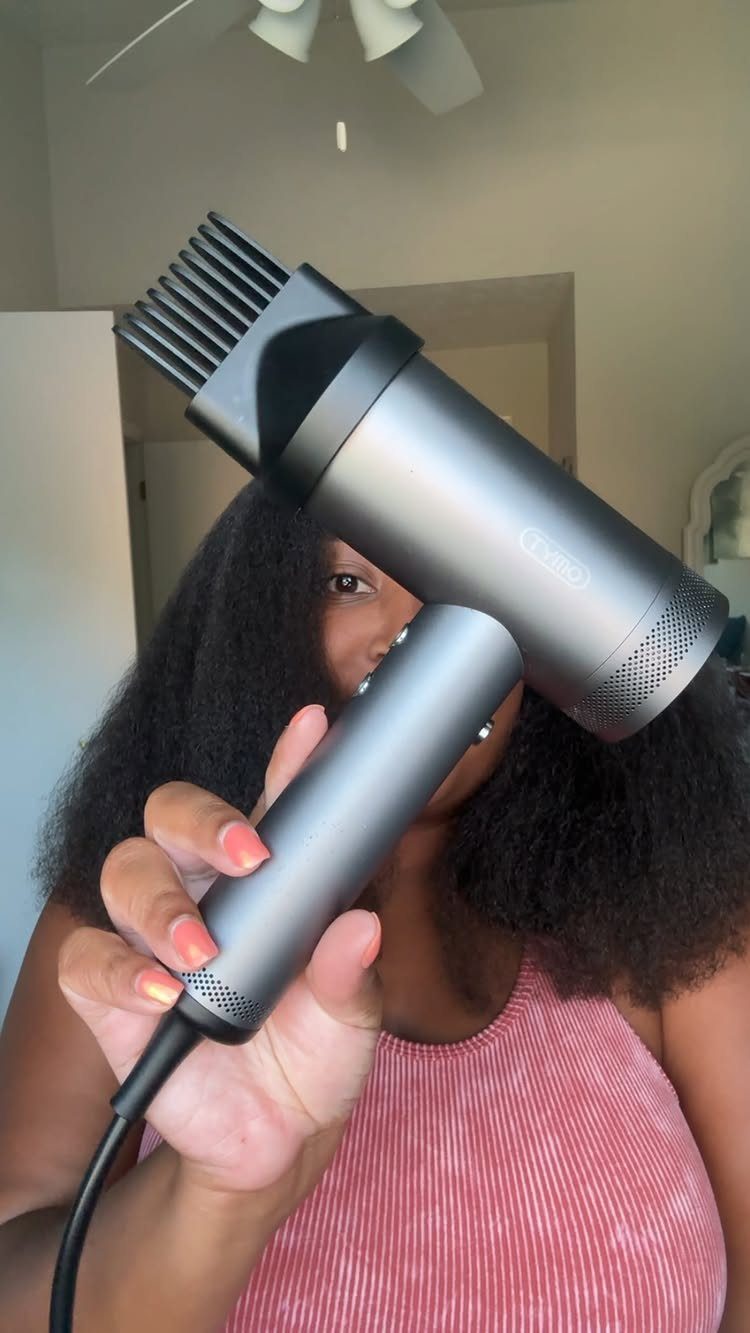
A compact dryer that ships with a diffuser, a concentrator and a pick attachment also packs flat for travel, so the diffuser, which is the piece curls need most, can come along on every trip.
For everyday curls I prefer this over a bare nozzle.
3. Hot Air Brush Styler
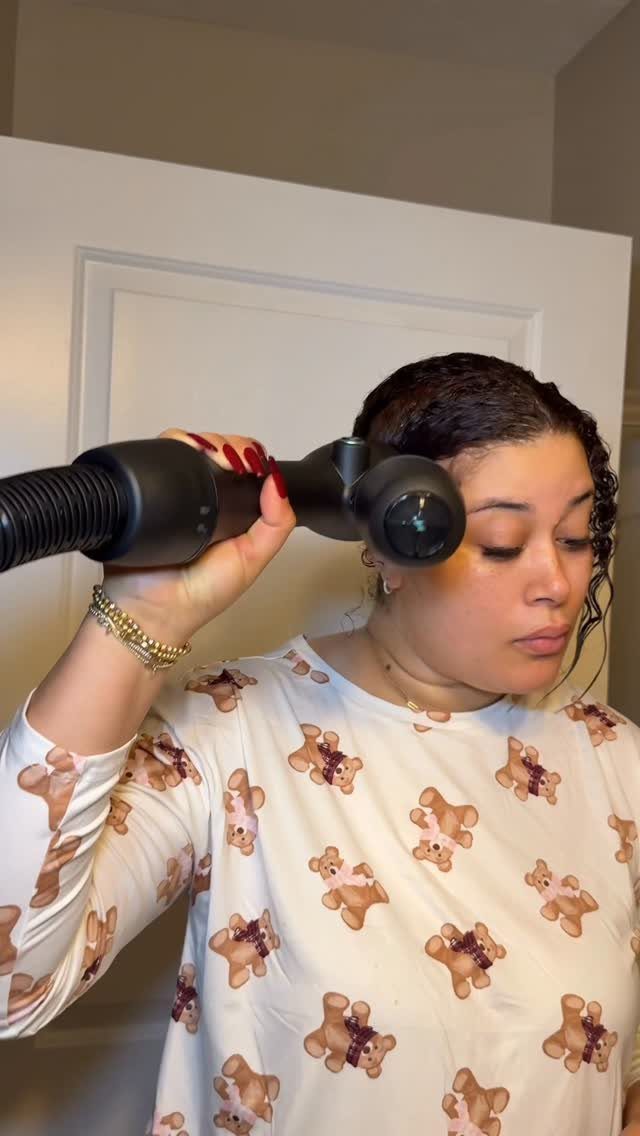
A hot air brush combines dryer and round brush in one tool, so you stretch and smooth damp textured hair in a single pass.
Take small sections, and keep the brush moving from root to tip instead of parking it in one spot.
Detangle first; a brush with tight hair wrapped around it is a bad morning. It suits blowouts with less bulk than a handheld dryer gives, but I would not use it on soaking wet hair.
Frequently Asked Questions
Which hair dryer is the least damaging to hair?
A wide diffuser is the gentlest attachment for curls, because it fans the air out over a larger area and doesn’t blast one narrow stream at a single spot.
The RevAir is the one I’d point to for low-damage drying, since its suction-style method limits how much heat the hair takes. Whatever you pick, a lower heat setting does more for your hair than the brand name does.
What are the disadvantages of using a hair dryer?
Heat is the main one: used without protection or on a high setting, a dryer can cause heat damage. Ionic dryers can be pricey, and on fine hair they can leave the style looking flatter than you want.
What is the healthiest way to dry hair?
Blow drying with indirect heat is gentler than letting hair sit wet for hours, since long stretches of wet hair can weaken the strand.
Keep the heat low, and use a diffuser on curls so the air is spread out rather than blasted.
Can I use a hair dryer to style my hair?
Yes, and a handheld dryer is where I’d start for big, voluminous natural hair, because it covers the whole head and you control the airflow.
Work in sections on a lower setting, aiming the nozzle from root to end so strands lie smoother.
Fine, color-treated or already damaged hair does better with a dryer that has separate heat and speed controls, because high heat can be too harsh for it.