The list runs from a fresh lemon juice scalp treatment to a rosemary infused oil to a scalp serum, and the right pick depends on how quickly your roots get greasy and how your scalp reacts to a small test patch.
Oily roots call for a light hand with the rosemary oil, and skin that stings with acid is a good reason to skip the lemon juice.
Hair grows about 0.5 inch a month no matter which routine you choose, so give any of these at least 3 to 6 months before you decide it failed.
1. Fresh Lemon Juice Scalp Treatment
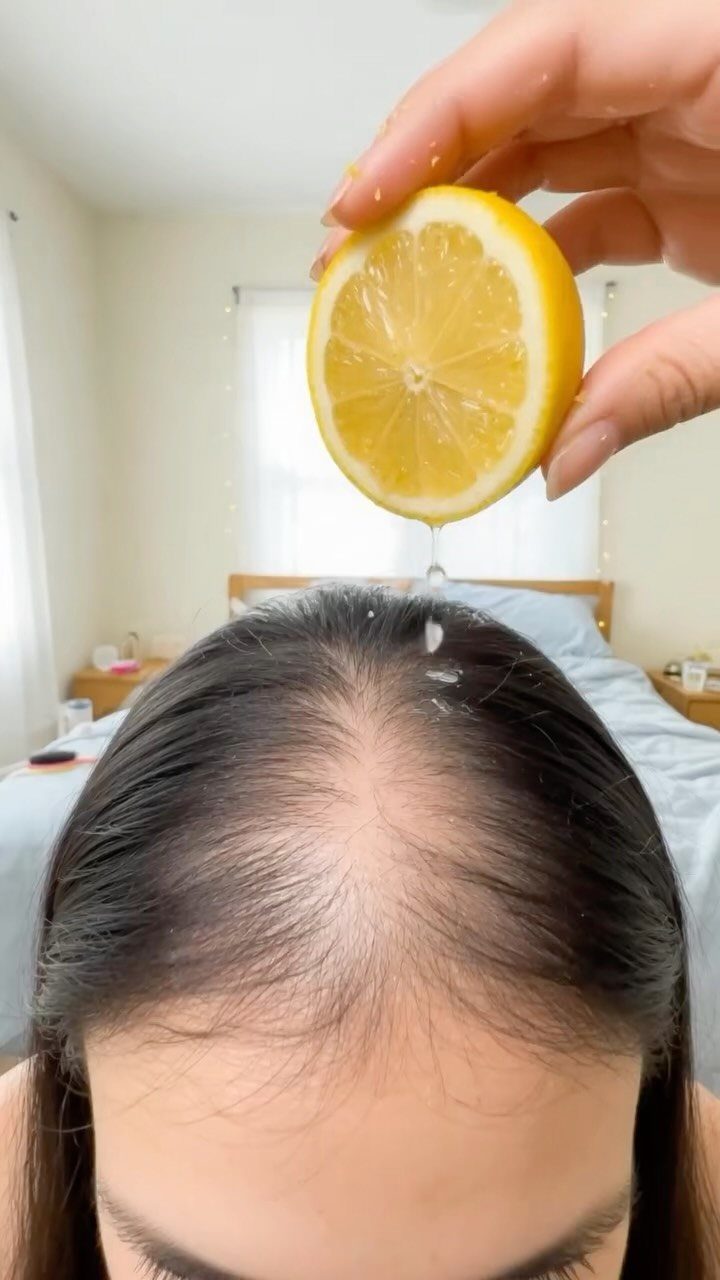
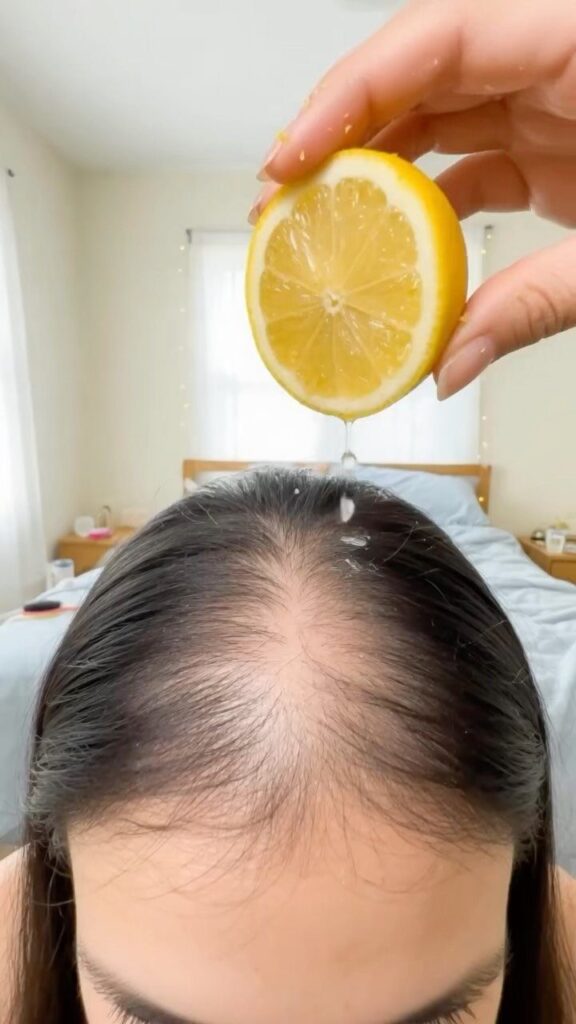
Fresh juice squeezed straight from a lemon slice costs almost nothing, and that is its appeal for anyone on a budget. Applying it takes under a minute: part the hair, squeeze along the part, and press lightly with your fingertips.
Lemon is acidic, so I would test a small patch of scalp first and skip it if the skin feels stingy or dry. Rinse it out rather than leaving it on, and stay out of strong sun afterward.
I would treat this as a low-cost experiment, not a proven growth method.
2. Rosemary Infused Hair Oil
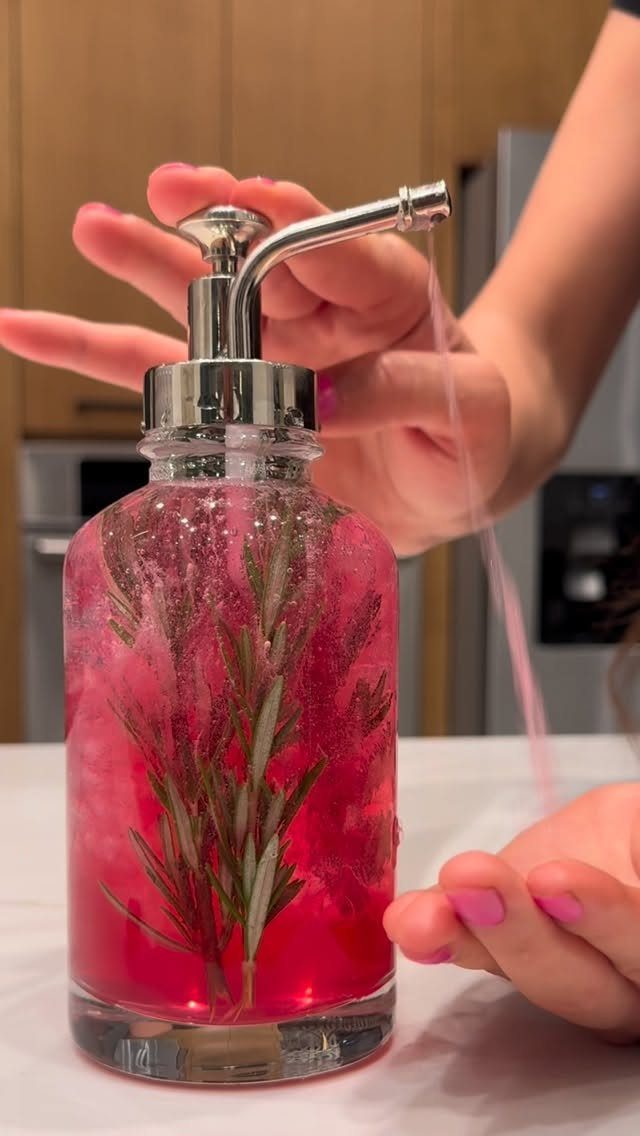
A pump bottle is the detail that makes homemade rosemary oil easy to live with. Keep the sprig in the oil, and one press gives you a measured amount for your palm, so you never overdo it.
Warm the oil between your hands, then work it into the scalp with your fingertips for a few minutes. Massage is the part I trust most, since it costs nothing and feels good.
Use a light hand if your roots get greasy fast. Rosemary sprigs from the grocery store keep the cost low.
3. Scalp Serum Application
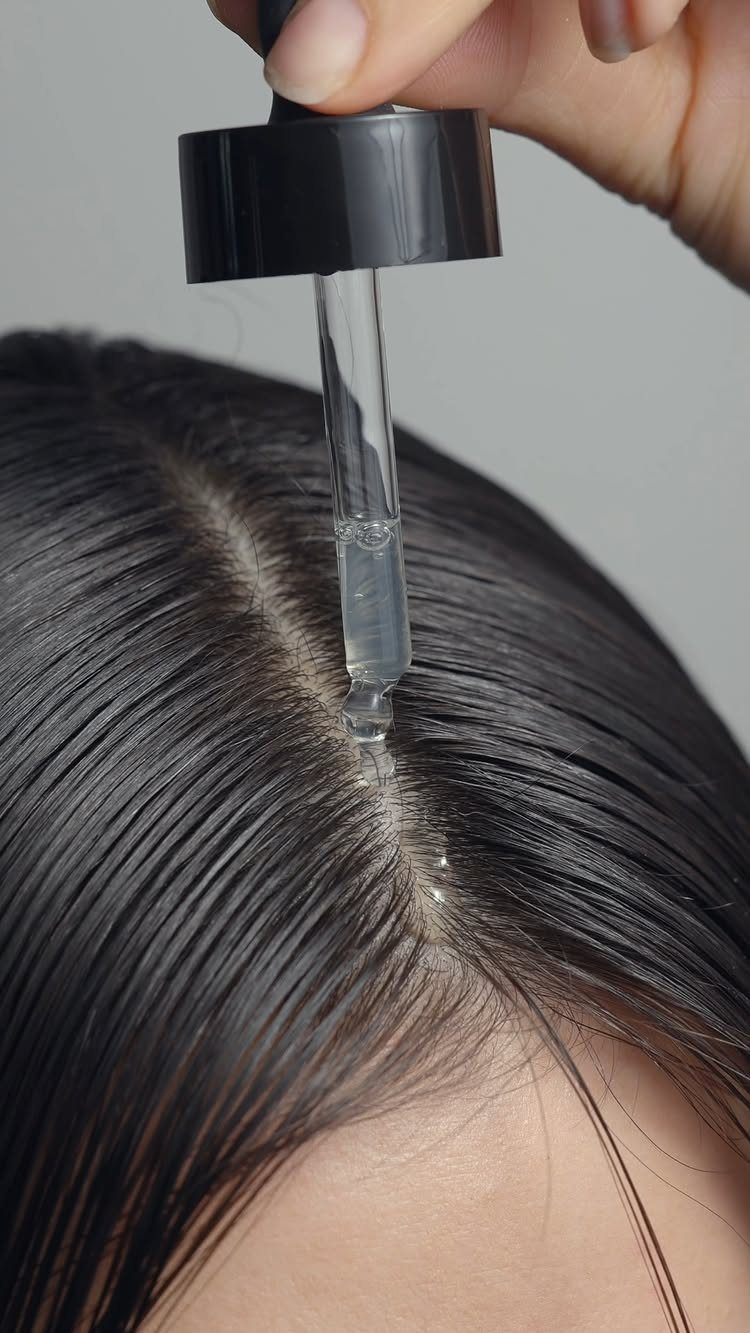
Serum on a dropper wins for control: you place each drop right on the scalp instead of on the lengths of your hair. Part the hair in sections, about 1 inch apart, and add a few drops along each part.
Then massage with your fingertips so it spreads. Clear formulas leave no stain and are easy to work into a morning routine.
Check the ingredient list before buying, since prices vary a lot. Start with a few drops, and add more only if your scalp stays comfortable.
Importance of Scalp Health
Scalp care is where I would put effort before any product.
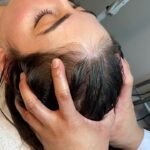
Massaging your scalp with your fingertips for a few minutes, 3 or 4 times a week, gets blood moving to the follicles; if long nails make that uncomfortable, a soft silicone scalp brush works about as well.
Buildup matters too.
A weekly scrub of brown sugar stirred into a spoonful of olive oil works well here: rub it in gently for a few minutes, then shampoo it out.
Keep the pressure light, and skip the scrub if your scalp is irritated or sunburned, since sugar grains are still abrasive.
Skip it on days you’ve already massaged hard, too. Weekly is plenty.
A well-rounded diet is an important factor in hair and scalp health. Hair is primarily made up of protein, so be sure to eat at least 45 grams of protein daily.
Understanding Hair Growth Phases
Knowing the cycle keeps expectations honest. Anagen, the growth phase, lasts 2–7 years, and about 85% of your hair is in it at any moment.
Catagen is a short transition of about 2 weeks when growth stops. Telogen is the resting stage, lasting around 3 months, and the strand sheds at the end so a new one can start.
That is why shedding a little each day is normal, and why a single bad month shows up on your head about 3 months later.
Plan on roughly 0.5 inch of growth per month, which adds up to about 6 inches over a year. If I want to judge a routine, I give it several months and take a monthly photo in the same light.
Role of Genetics and Health
Hormones, health, genetics and age set most of your growth rate. Pregnancy, menopause and thyroid problems can all change the pace, and growth usually slows with age too.
Diet and stress play a part: a long stretch of high stress can send hair into the resting phase sooner than it should go. Eating well and finding some way to wind down are the changes within your control.
Be skeptical of any topical product that promises faster, longer hair. Nothing you rub on the scalp truly changes the growth rate your body sets.
If you notice sudden or heavy shedding, see a doctor, since a hormone or thyroid problem is worth ruling out.
Frequently Asked Questions
How can I reduce hair breakage?
Hair that snaps off as fast as it grows never gets longer, so cut back on heat styling, use gentle products, and give your hair a break from tight styles like high ponytails, braids and buns.
Tight styles that tug on the same spot day after day can lead to traction alopecia, so move your ponytail or clip to a new place each time.
Strong sun and pool chlorine both dry out strands, so I’d put on a hat outdoors and soak hair in plain tap water before swimming, which leaves less room for chlorine to soak in.
What foods are good for hair growth?
Aim for protein at most meals, add fatty fish or walnuts for omega-3s, and fill out the plate with colorful produce that covers vitamins A, C and E. Hair follicles are mostly protein, and iron deficiency is a common cause of hair loss in women, so spinach, lean meats, lentils, eggs and beans help.
Zinc from pumpkin seeds and chickpeas supports hair tissue growth and repair.
Can I regrow hair after balding?
See a doctor or dermatologist for treatment options that fit your situation.
Do lemon juice, rosemary oil or scalp serums make hair grow faster?
None is a proven growth method, so treat them as low-cost experiments. Rosemary oil and serums are best used with a few minutes of fingertip massage, which is the part that feels good and costs nothing.
How often should I massage my scalp?
Aim for a few minutes, 3 or 4 times a week, using your fingertips. It moves blood toward the follicles.
How much hair shedding is normal?
Losing 50–100 hairs a day is normal, because each strand sheds at the end of its resting stage of about 3 months.
A sudden jump, bald patches or heavy shedding is a reason to see a doctor. Hormone and thyroid problems are worth ruling out.